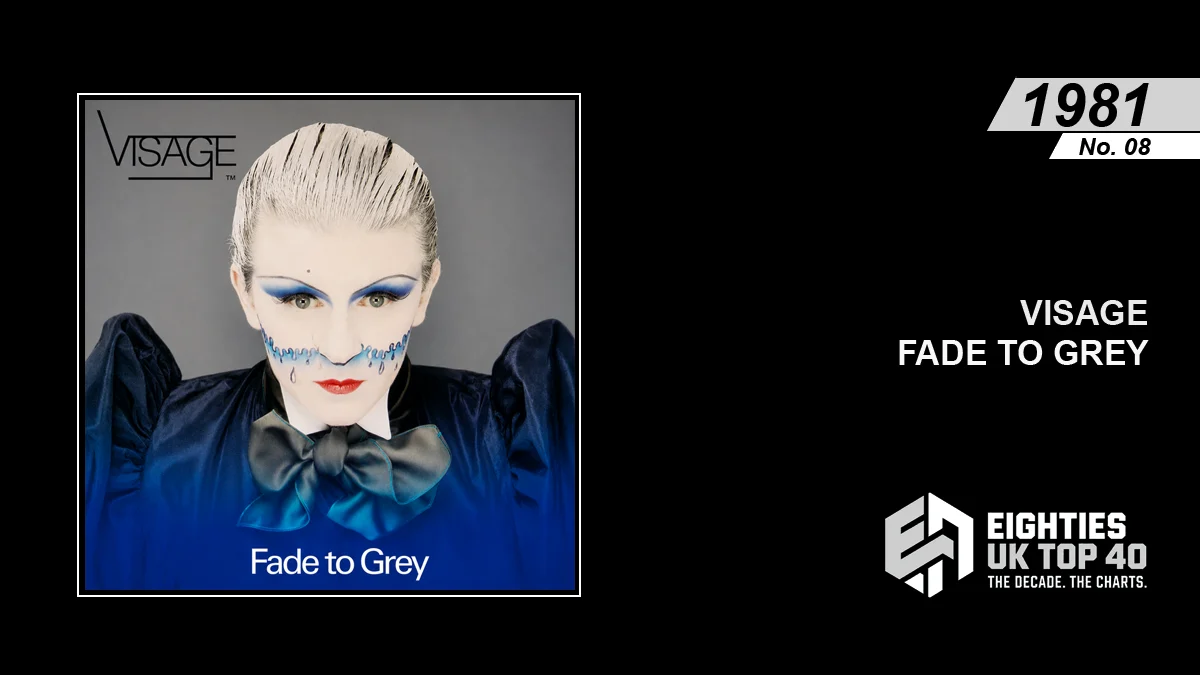
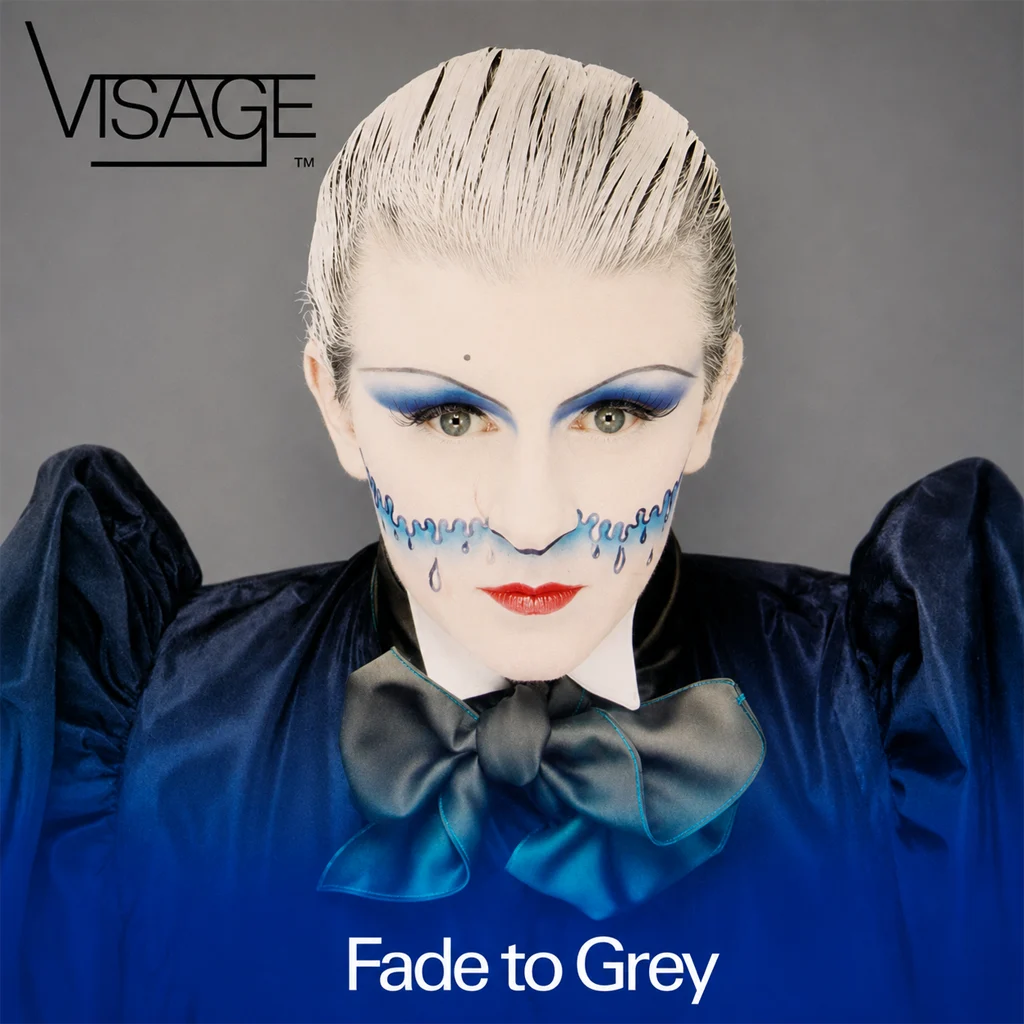
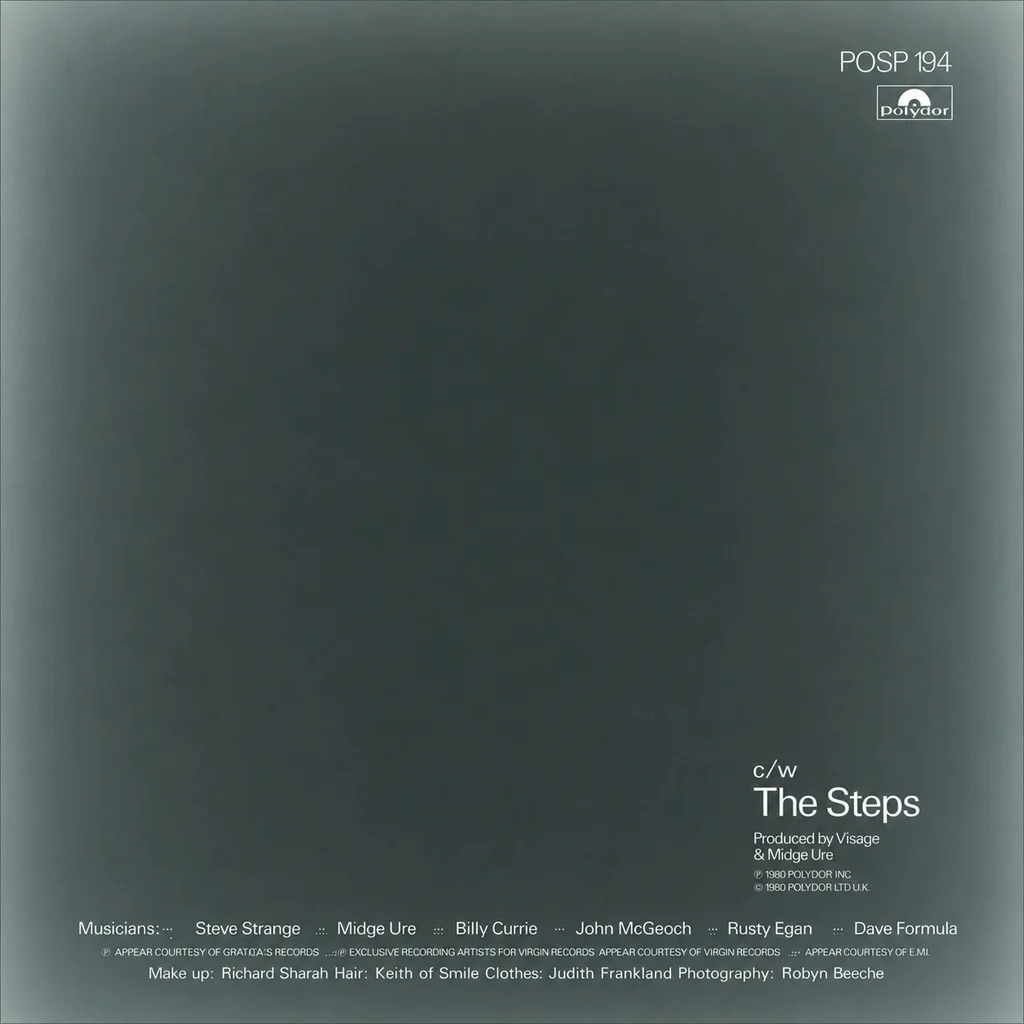
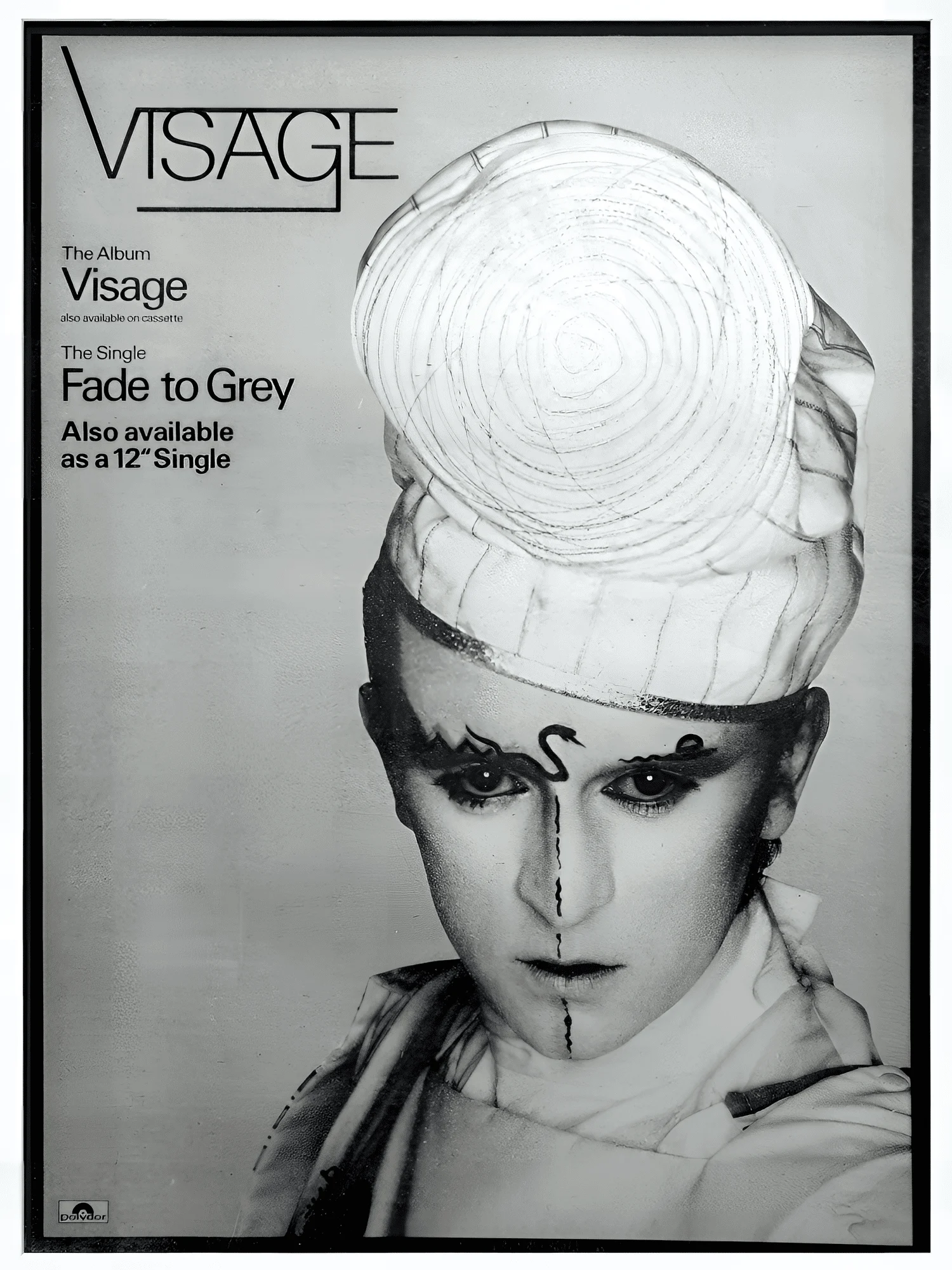
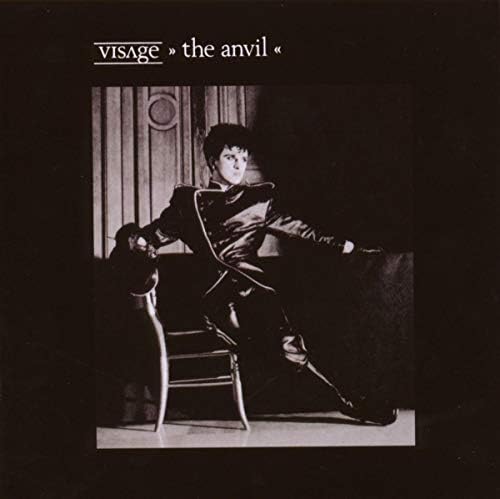
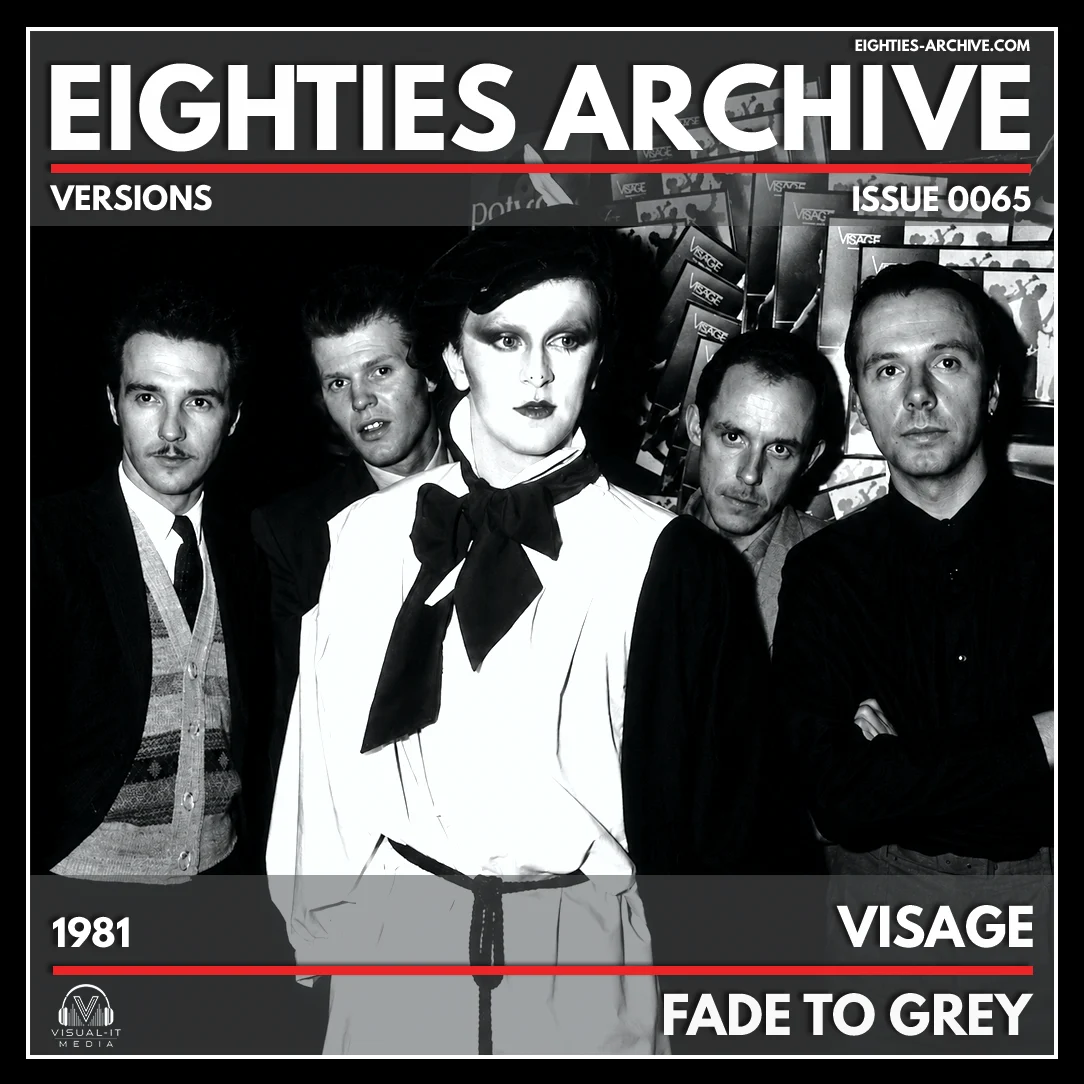
Released in late 1980 as the second single from their self-titled debut album, Fade to Grey stands as the definitive masterpiece of the New Romantic movement and a landmark achievement in the evolution of electronic synth-pop. Visage was never a traditional touring band; instead, they were a studio-based supergroup born out of the fertile ground of the London nightclub scene, specifically the legendary Blitz club. Co-founded by the charismatic host Steve Strange and the multi-instrumentalist Rusty Egan, the project brought together members of Rich Kids and Magazine, including Midge Ure, Billy Currie, and Dave Formula.
With Fade to Grey, this collective of visionary musicians captured the exact sonic and visual essence of a subculture, creating an eerie, beautiful, and hypnotic anthem that defined an era.
Sonically, Fade to Grey is built upon a foundation of minimalist electronic perfection. The song was primarily written by Billy Currie and Chris Payne during a soundcheck while touring with Gary Numan, before being brought to the Visage studio sessions where Midge Ure helped shape it into its final pop structure. The track is propelled by a relentless, metronomic drum machine pattern and a cycling, hypnotic bass synthesizer line that creates an atmosphere of cold, urban isolation. Layered over this rigid rhythmic structure are Billy Currie’s sweeping, melancholy string synthesizers, which provide the song with its deep sense of cinematic drama. The instrumentation perfectly balances the cold efficiency of German electronic pioneers like Kraftwerk with the lush, romantic melodies traditional to British pop.
One of the most distinctive and memorable elements of Fade to Grey is its bilingual vocal arrangement. While Steve Strange delivers the main English lyrics in a detached, spoken-word monotone, a French female vocal overlaps and punctuates his phrases. This French narration, performed by Brigitte Arens, a friend of Rusty Egan, adds a layer of continental sophistication and mystery to the track. The juxtaposition of Strange’s somber, weary delivery with the cool, elegant French phrases heightens the song’s sense of alienation and European noir. This vocal technique was highly innovative for its time, transforming a catchy dance track into a haunting piece of conceptual audio art that felt entirely detached from the guitar-heavy rock music of the previous decade.
Lyrically, the song is a poignant exploration of urban loneliness, existential dread, and emotional exhaustion. The lyrics paint a bleak, impressionistic picture of a solitary man standing on a rainy railway platform, watching the world lose its vibrant colours and slowly fade into a monotonous, uniform grey. It serves as a powerful metaphor for the comedown of the glamorous nightclub lifestyle, capturing the stark contrast between the vivid, creative escapism of the Blitz club nights and the bleak reality of early 1980s industrial Britain. The repetition of the phrase “fade to grey” acts as a haunting mantra, reflecting a desire to disappear or escape from the overwhelming pressures of reality into a state of numb, peaceful oblivion.
The visual presentation of Fade to Grey was just as crucial to its impact as the music itself. The accompanying music video, directed by Godley & Creme, is widely regarded as one of the most influential and visually stunning clips of the early MTV era. It heavily featured the striking, androgynous visage of Steve Strange, his face adorned with intricate, avant-garde makeup designed by the acclaimed artist Princess Julia. The video utilized innovative editing techniques, step-printing, and artistic projections to create a living canvas, seamlessly blending fashion, performance art, and music. This visual package solidified Steve Strange’s status as a style icon and established the New Romantic aesthetic—dramatic makeup, historical costuming, and gender-fluid expression—in the global cultural consciousness.
Upon its release, Fade to Grey became a massive international commercial success, defying expectations for such an avant-garde track. It climbed to number eight on the UK Singles Chart and achieved even greater success across mainland Europe, reaching the number one spot in Germany, Switzerland, and Austria. The track’s immense popularity in European discotheques helped bridge the gap between underground club culture and mainstream chart success, proving that electronic music could be both intellectually avant-garde and commercially viable. It laid the groundwork for the synth-pop explosion that would dominate the global music industry for the remainder of the decade.
Nearly half a century since its debut, Fade to Grey remains an undiminished classic that continues to influence contemporary electronic, techno, and synth-wave artists. It is a track that perfectly captured a fleeting moment in time when fashion, art, and technology collided to create something entirely new. Visage managed to turn the melancholy of the human condition into a beautiful, danceable piece of art, ensuring that their definitive anthem would never truly fade away.
The song peaked at No. 08 in the UK singles chart on 7th February 1981.
Lyrics
Devenir gris
Devenir gris
One man on a lonely platform
One case sitting by his side
Two eyes staring cold and silent
Shows fear as he turns to hide
Aaah
We fade to grey (Fade to grey)
Aaah
We fade to grey (Fade to grey)
Un homme dans une gare isolée
Une valise à ses côtés
Deux yeux fixes et froids
Montre de la peur lorsqu’il
Se tourne pour se cacher
Aaah
We fade to grey (Fade to grey)
Aaah
We fade to grey (Fade to grey)
Sent la pluie comme un été Anglais
Entends les notes d’une chanson lointaine
Sortant de derrière d’un poster
Espérant que la vie ne fut aussi longue
Aaah
We fade to grey (Fade to grey)
Aaah
We fade to grey (Fade to grey)
Feel the rain like an English summer
Hear the notes from a distant song
Stepping out from a backdrop poster
Wishing life wouldn’t be so long
Devenir gris
Aaah
We fade to grey (Fade to grey)
Aaah
We fade to grey (Fade to grey)
Aaah
We fade to grey (Fade to grey)
Devenir gris
Aaah
We fade to grey (Fade to grey)
Devenir gris
Aaah
We fade to grey (Fade to grey)
Aaah
We fade to grey (Fade to grey)
Devenir gris
Aaah
We fade to grey (Fade to grey)
Aaah
We fade to grey (Fade to grey)
Written By Midge Ure, Billie Currie, Chris Payne