Support Our Site!
    Tuesday, April 28th, 2026

    In the landscape of late 1980s pop music, Debbie Gibson occupied a space that was both remarkably grounded and deceptively sophisticated. While her peers often relied on a machinery of seasoned producers and Swedish hit factories, Gibson was a self-contained creative force. Nowhere is this autonomy more evident than in her 1988 power ballad, “Foolish Beat.” When the song reached the top of the Billboard Hot 100, it secured Gibson’s place in history as the youngest female artist to write, produce, and perform a number-one single. It remains a masterclass in teenage melancholy, capturing a specific brand of suburban heartbreak that felt both epic and intimate.

    The brilliance of Foolish Beat lies in its earnestness. By the time it was released as the fourth single from her debut album, Out Of The Blue, Gibson had already established herself as the queen of “bubblegum” with upbeat tracks like “Shake Your Love.” However, “Foolish Beat” was a pivot toward the dramatic. It opens with a lonely, echoing saxophone—a quintessential 1980s sonic signature—that immediately signals a shift from the dance floor to the bedroom window. This isn’t a song about a crush; it is a song about the crushing weight of regret.

    Lyrically, the song avoids the abstract metaphors often found in adult contemporary music of the era. Instead, it leans into a direct, almost diary-like narrative. Gibson tells a story of a breakup where she, the narrator, is the one at fault. For a generation of teenagers, this was the soundtrack to that first realization that love requires more than just feelings; it requires care and the avoidance of ego.

    The production of the track is equally fascinating given Gibson’s age at the time. She was only seventeen when the song was recorded, yet she displayed a restraint that many veteran producers lacked. The arrangement is built around a melancholic piano melody, layered with soft synthesizers that swell during the chorus. The drums are gated and heavy, providing a steady, rhythmic pulse that mirrors the “beat” mentioned in the title. Gibson’s vocal performance is notably mature. She doesn’t over-sing or rely on excessive vocal gymnastics. Instead, she stays in a breathy, vulnerable register, letting the melody carry the emotional weight. When she hits the higher notes in the bridge, there is a palpable sense of desperation, as if she is reaching out for a person who is already long gone.

    The cultural impact of “Foolish Beat” was significant because it validated the artistic agency of young women in music. In an era where “teen idols” were often viewed as puppets of the industry, Gibson’s total control over the track was revolutionary. She proved that a teenage girl could understand the technical nuances of a recording studio as well as the emotional nuances of a heartbreak ballad. The song’s success wasn’t just a win for Gibson; it was a win for the idea of the “singer-songwriter” in a pop context.

    Looking back through a nostalgic lens, “Foolish Beat” feels like a time capsule. It captures the transition from the neon-soaked energy of the mid-80s to the more introspective, ballad-heavy period of the decade’s end. It evokes images of prom nights, slow dances in high school gyms, and the quiet loneliness of a walk home in the rain. Yet, despite its heavy 80s production, the core of the song is timeless. The feeling of realizing you threw away something good because you were too young or too stubborn to hold onto it is a universal human experience.

    The legacy of the song is also tied to its music video, which featured Gibson wandering through the streets of New York City and performing on a darkened stage. The visual aesthetic—trench coats, moody lighting, and the stark contrast of the city at night—reinforced the song’s themes of isolation and maturity. It helped transition Gibson’s image from the girl-next-door with the slouch socks to a serious artist with something profound to say.

    Ultimately, “Foolish Beat” stands as a testament to the power of a simple, well-crafted melody and an honest lyric. It didn’t need gimmicks to reach number one; it only needed to tap into a feeling that everyone, regardless of age, has felt at some point. It remains the crown jewel of Debbie Gibson’s discography, a reminder that sometimes the most foolish mistakes make for the most beautiful music. Even decades later, when that saxophone intro begins, it still has the power to stop a listener in their tracks and bring back the sting of a first heartbreak.

    The songs peaked at No. 09 in the UK singles chart on 23rd July 1988.

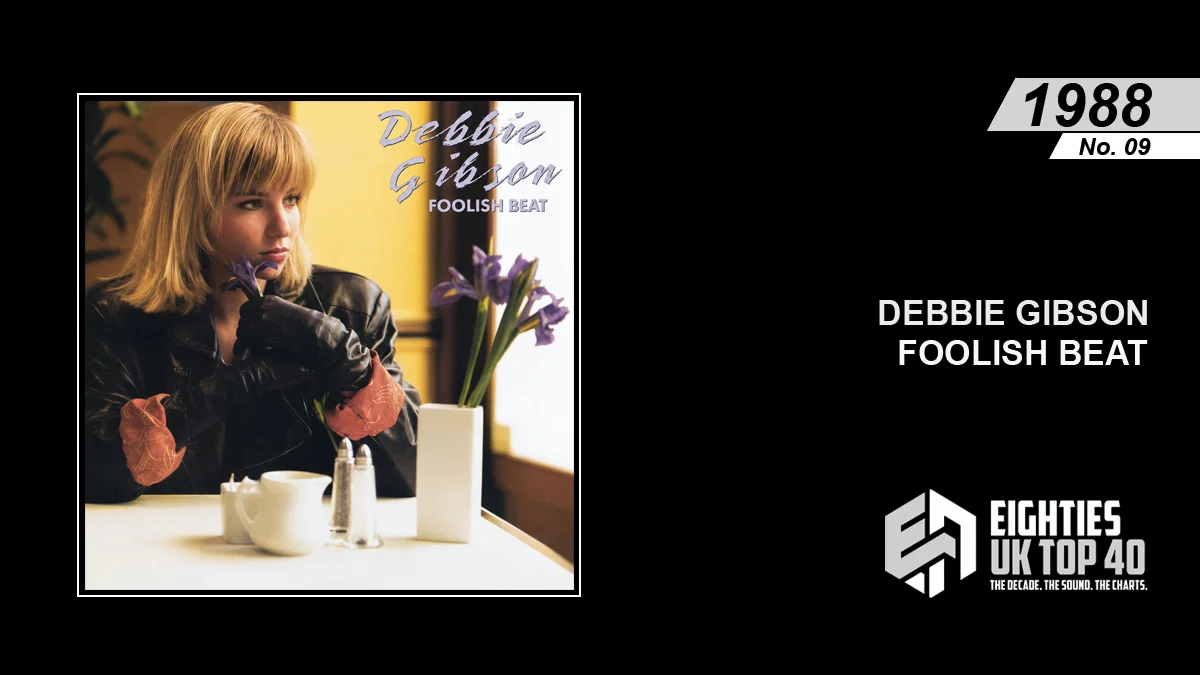
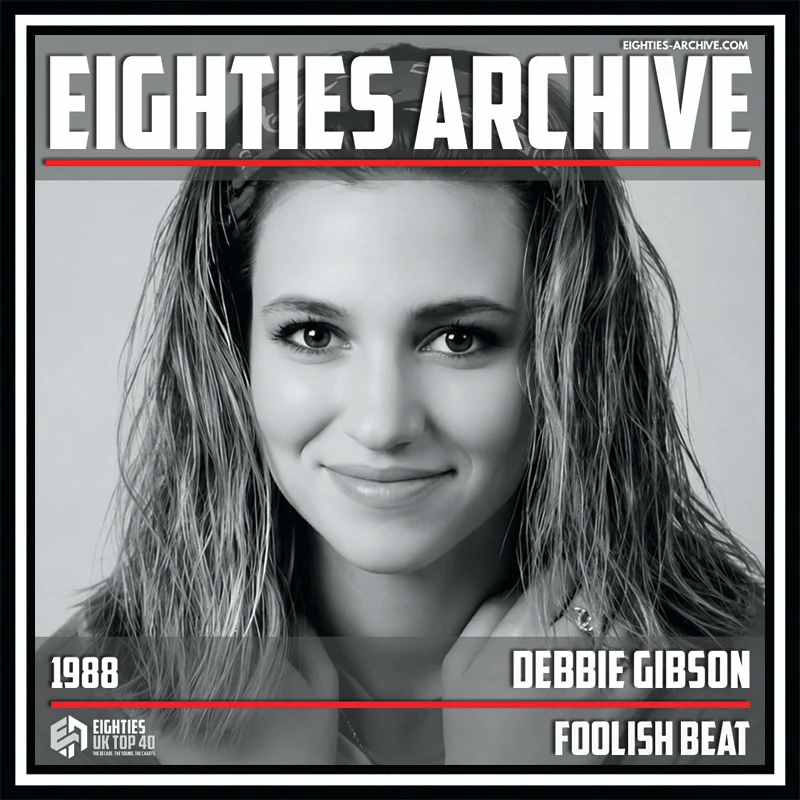
    Debbie Gibson - Foolish Beat - Eighties Archive Promo Image
    Debbie Gibson - Foolish Beat - UK 7'' Cover
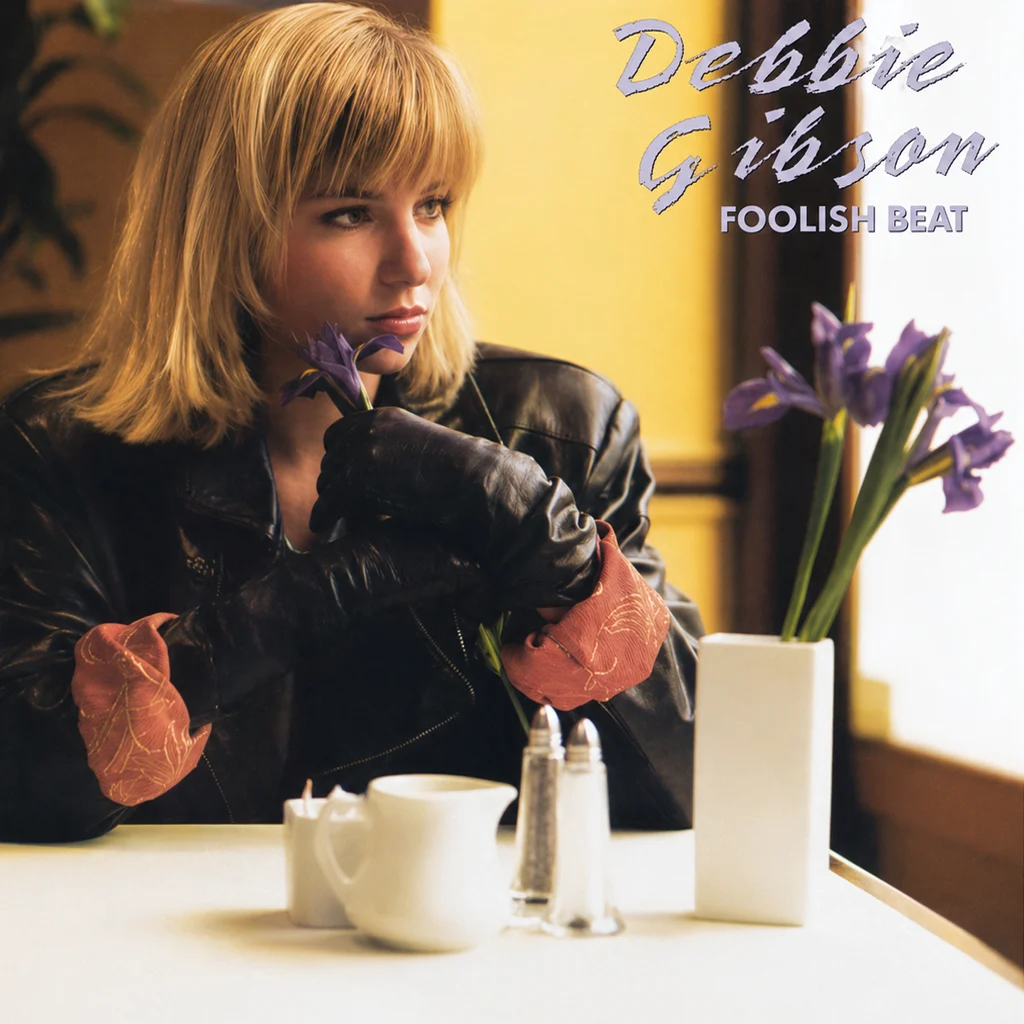
    Debbie Gibson - Foolish Beat - UK 7'' Cover (Front)
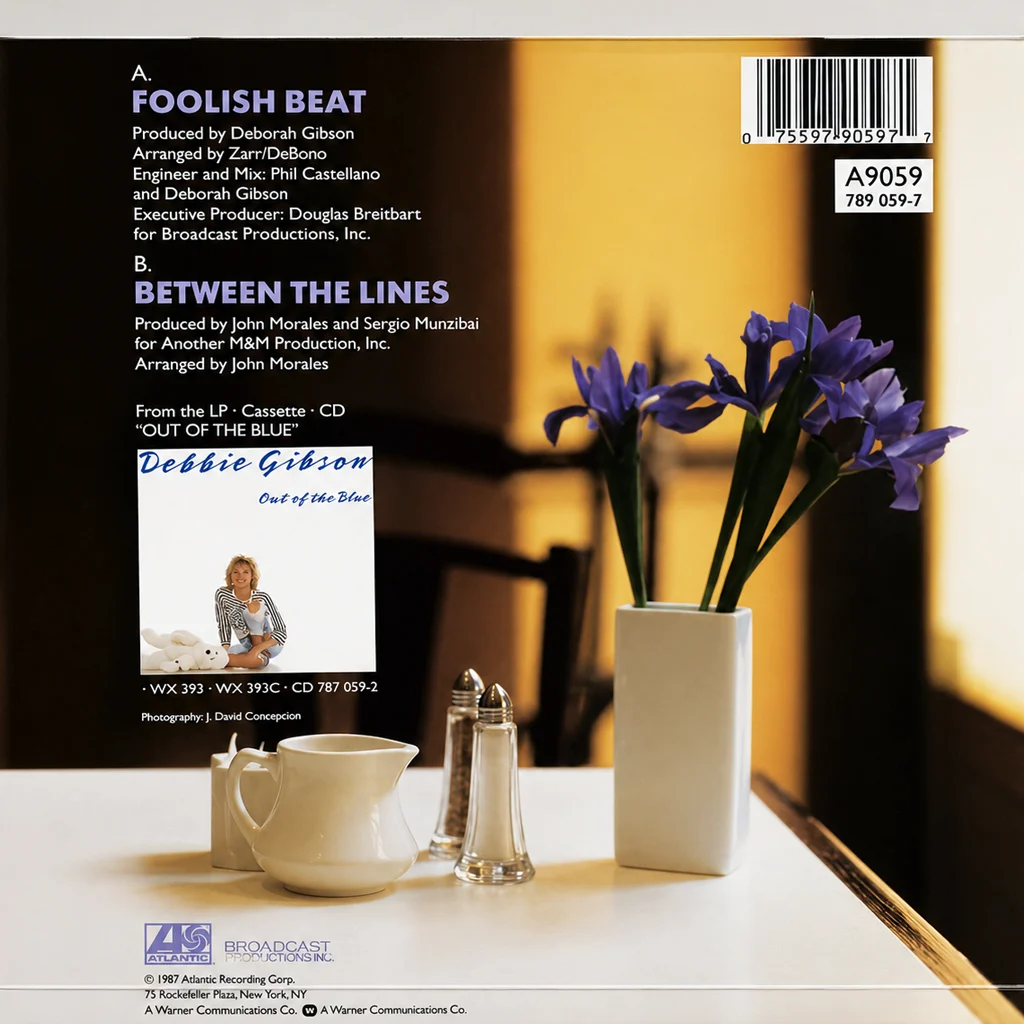
    Debbie Gibson - Foolish Beat - UK 7'' Cover (Back)
    A-SideFoolish Beat (4:20)
    (Debbie Gibson)
    Produced By Deborah Gibson
    B-SideBetween The Lines (4:46)
    (Debbie Gibson)
    Produced John Morales, Sergio Munzibai
    UK Top 40 Chart Run [8 Weeks] – 9th July 1988 – 27th August 1988

    Officially Released Versions

    Foolish Beat (Single Version) (4:22)
    Foolish Beat (Extended Mix) (6:48)
    Foolish Beat (Instrumental) (4:28)

    See ALL releases of ‘Foolish Beat’ on Discogs.

    Lyrics

    There was a time when
    Broken hearts and broken dreams
    Were over
    There was a place where
    All you could do was
    Wish on a four leaf clover

    But now is a new time
    There is a new place
    Where dreams just can’t come true
    It started the day when I left you

    I could never love again the way that I loved you
    I could never cry again like I did when I left you
    And when we said goodbye
    Oh the look in your eyes
    Just left me beside myself without your heart
    (Without your heart)
    I could never love again now that we’re apart

    When I was sorry
    It was too late to turn around
    And tell you so
    There was no reason
    There was no reason
    Just a foolish beat of my heart

    I could never love again the way that I loved you
    I could never cry again like I did when I left you
    And when we said goodbye
    Oh the look in your eyes
    Just left me beside myself without your heart
    (Without your heart)
    I could never love again now that we’re apart

    Oh, can’t you see I’m not fooling nobody
    Don’t you see the tears are falling down my face?
    Since you went away
    Break my heart, you slipped away
    Didn’t know I was wrong
    Never meant to hurt you now you’re gone

    I could never love again now that we’re apart
    (Now that we’re apart)
    I could never love again now that we’re apart

    Written By Debbie Gibson

    You can listen to the tracks below on Spotify. If you have a paid Spotify account, log in, to listen to all tracks (complete). If you do not have a paid Spotify account, you can only listen to a 30-second sample of each track.

    Debbie Gibson - Foolish Beat - Promo Advert

    Song Number – 0005

    Debbie Gibson
    Foolish Beat

    Debbie Gibson - Foolish Beat - UK 7'' Cover
    Debbie Gibson - Foolish Beat - VIT Album

    Date Released
    June 1988

    Highest Chart Position
    No. 09

    Genre
    Electronic, Pop, Synth-Pop, Ballad

    Date Of UK Top 40 Entry
    9th July 1988

    Label
    Atlantic

    Catalogue Number
    A 9059

    About eighties archive

    We hope this will be your one stop shop for enjoying your Eighties music nights. There are over 3,500 chart entries to add to this site, so call in often, as we will be adding entries every day. We will be adding more features to the site as time goes on. But for now, enjoy!

    Share.