
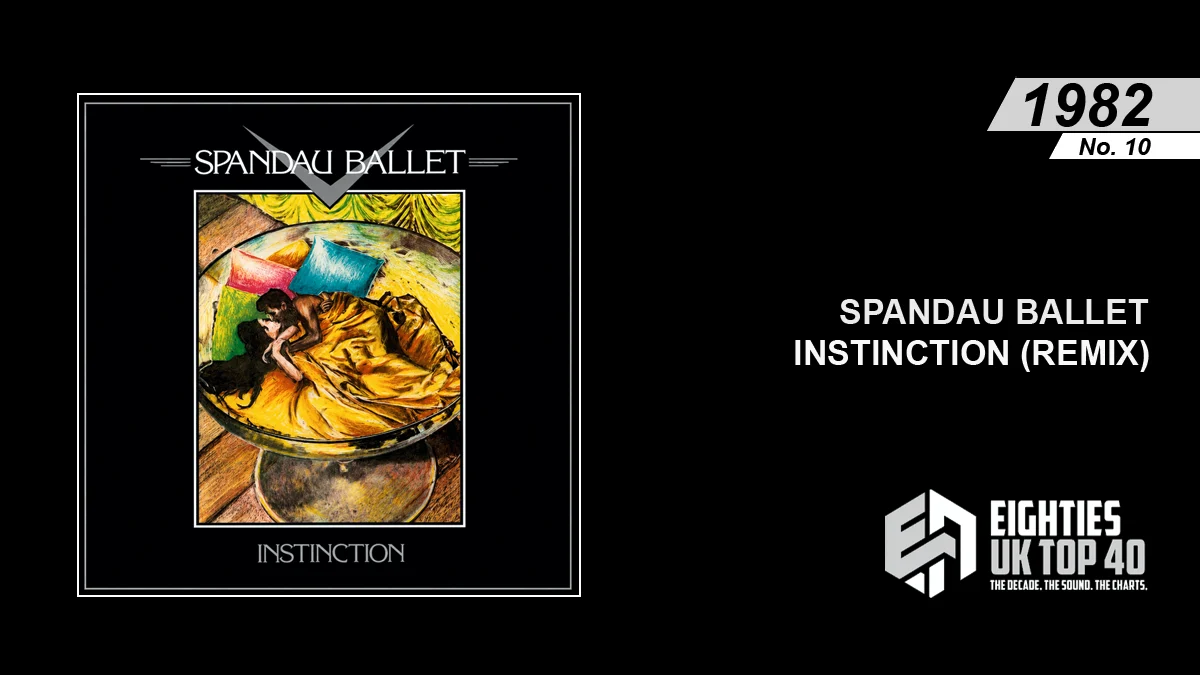
Eighties Archive Song Number
Highest Chart Position
Date Released
Date Of UK Top 40 Entry
Genre
Label
Catalogue Number
Story Behind The Song
Released in 1982, “Instinction (Remix)” was the second single from Spandau Ballet’s album Diamond and further demonstrated the band’s move away from their early electronic New Romantic sound towards a more polished blend of funk, pop and soul. Written by Gary Kemp and originally produced by Richard James Burgess, the song highlighted the group’s growing confidence as musicians and songwriters. For its single release, it was remixed by acclaimed producer Trevor Horn, whose punchier, more expansive production gave the track a fresh energy and helped create one of the band’s most distinctive early recordings.
Lyrically, “Instinction (Remix)” explores the conflict between instinct and reason, touching on themes of desire, ambition and the pressures of modern life. Gary Kemp’s intelligent songwriting leaves room for interpretation, while Tony Hadley’s powerful vocal performance brings both energy and conviction to the track. Driven by a tight rhythm section, crisp guitar work, prominent brass and layered keyboards, the Trevor Horn remix added extra depth and clarity, enhancing the song’s infectious groove without losing the band’s distinctive identity.
“Instinction (Remix)” reinforced Spandau Ballet’s reputation as one of Britain’s most innovative pop acts during the early 1980s. Although often overshadowed by the worldwide success of later songs such as “True” and “Gold”, it remains an important part of their musical evolution and a favourite among long-time fans. Today, the song is appreciated for its adventurous arrangement, memorable melody and the celebrated Trevor Horn remix, which helped transform an already strong album track into one of the band’s standout early singles.
The song peaked at No. 10 on the UK Singles Chart on 15th May 1982.
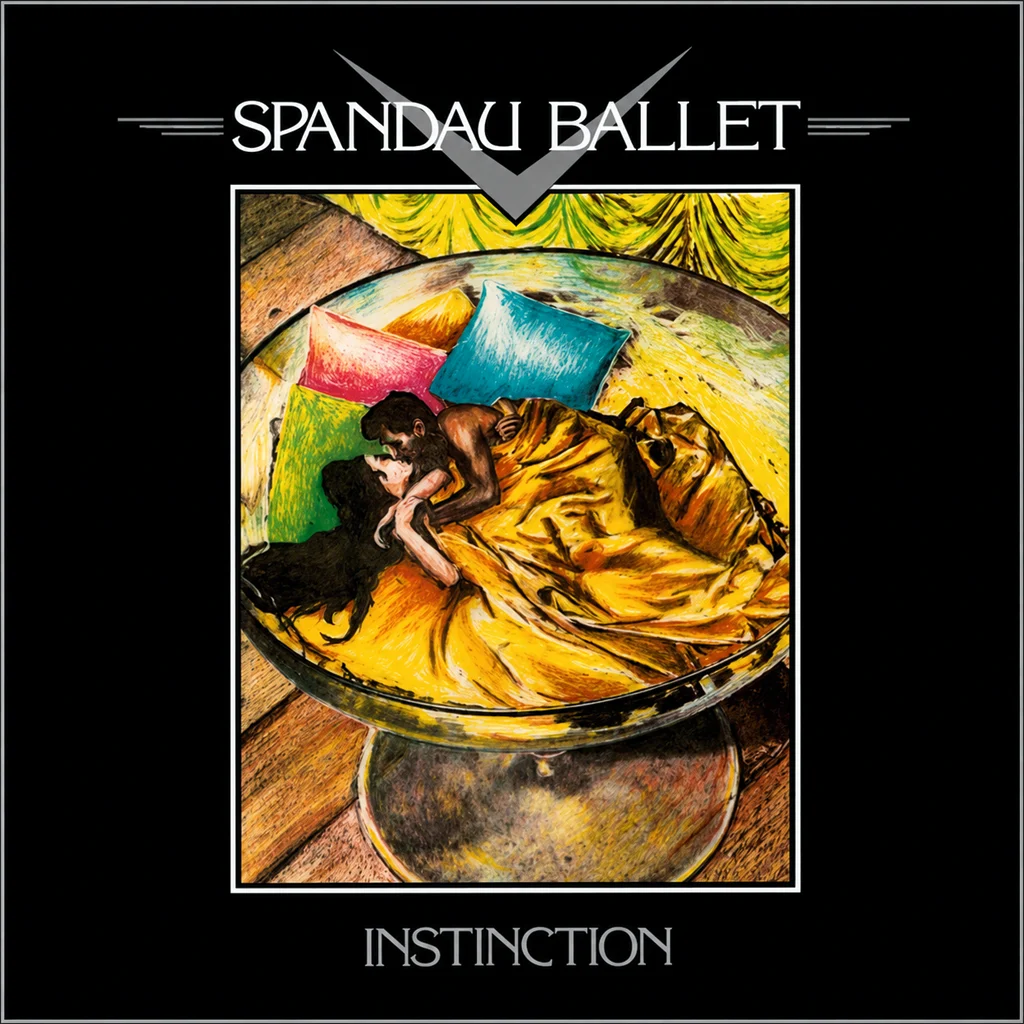
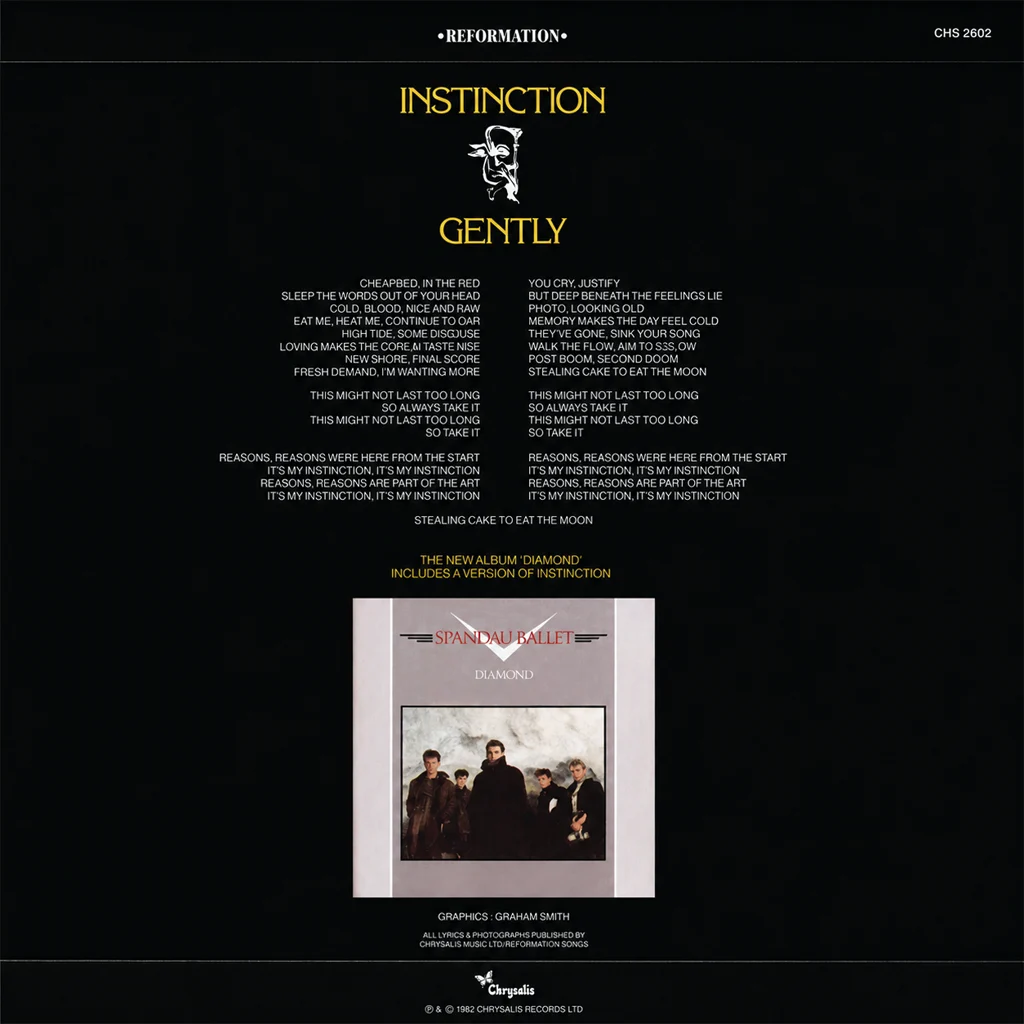
UK 7'' SLEEVE COVERS
Shown below are the picture sleeve covers (front and back) for the UK release of this single. If no cover sleeve was issued in the UK, we will display another country’s picture sleeve.
UK 7'' TRACK LISTING
| A-Side | Instinction (Remix) (3:34) (Gary Kemp) Produced By Richard James Burgess, Trevor Horn |
| B-Side | Gently (3:54) (Gary Kemp) Produced By Spandau Ballet |
CHART PERFORMANCE (80s Chart only)
| UK Top 40 Chart Run [8 Weeks] – 24th April 1982 – 12th June 1982 |
OFFICIALLY RELEASED VERSIONS
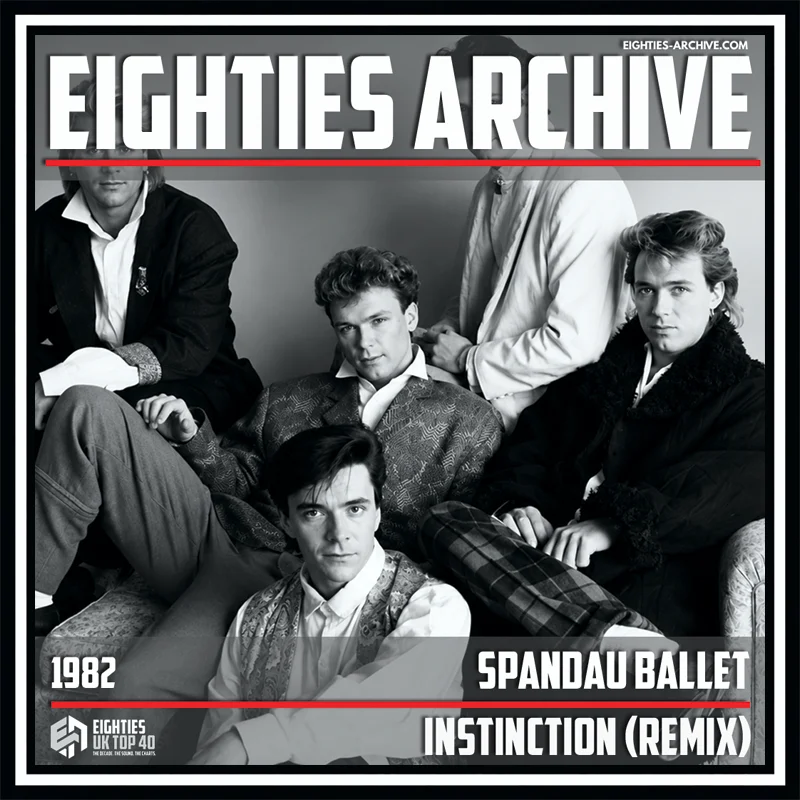
All officially released versions that appeared in the 80s:-
- Instinction (Remix) (Single Version) (3:34)
- Instinction (Remix) (6:58)
- Instinction (Album Version) (4:51)
To hear the FULL version of the songs below, you will need an active Spotify account (Free one). Just log in on your desktop/tablet or phone to hear the FULL versions.
OFFICIAL VIDEO
SONG LYRICS
Cheap bed, in the red
Sleep the words out of your head
Cold floor, nice and raw
Eat the meat that’s on the floor
High tide, some disguise
Loving makes the cream taste nice
New shore, final score
On fresh demand, I’m wanting more
This might not last too long
So always take it
This might not last too long
So take it
Reasons, reasons were here from the start
It’s my instinction, it’s my instinction
Reasons, reasons were part of the art
It’s my instinction, it’s my instinction
You cry, justify
But deep beneath the feelings lie
Photo, looking old
Memory makes the day feel cold
They’ve gone, sing your song
Walk the flow, ah, too slow
Post boom, second doom
Stealing cake to eat the moon
This might not last too long
So always take it
This might not last too long
So take it
Reasons, reasons were here from the start
It’s my instinction, it’s my instinction
Reasons, reasons were part of the art
It’s my instinction, it’s my instinction
It’s my instinction, hey
Cheap bed, in the red
You cry, justify
Post boom, second doom
Stealing cake to eat the moon
Reasons, reasons were here from the start
It’s my instinction, it’s my instinction
Reasons, reasons were part of the art
It’s my instinction, it’s my instinction
It’s my instinction, ohh
Stealing cake to eat the moon
Written by Gary Kemp
1 Comment
Hello All
Have we made any mistakes in this posting? Feel free to let us know (we’d appreciate it!)
Regards
Admin