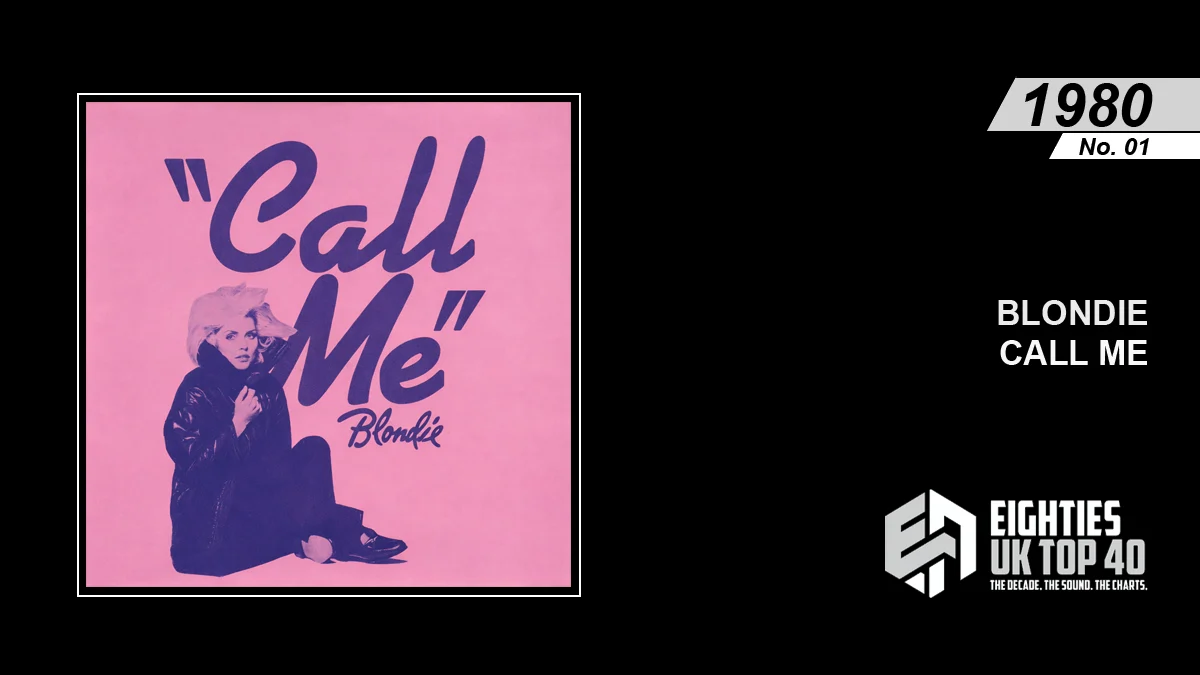
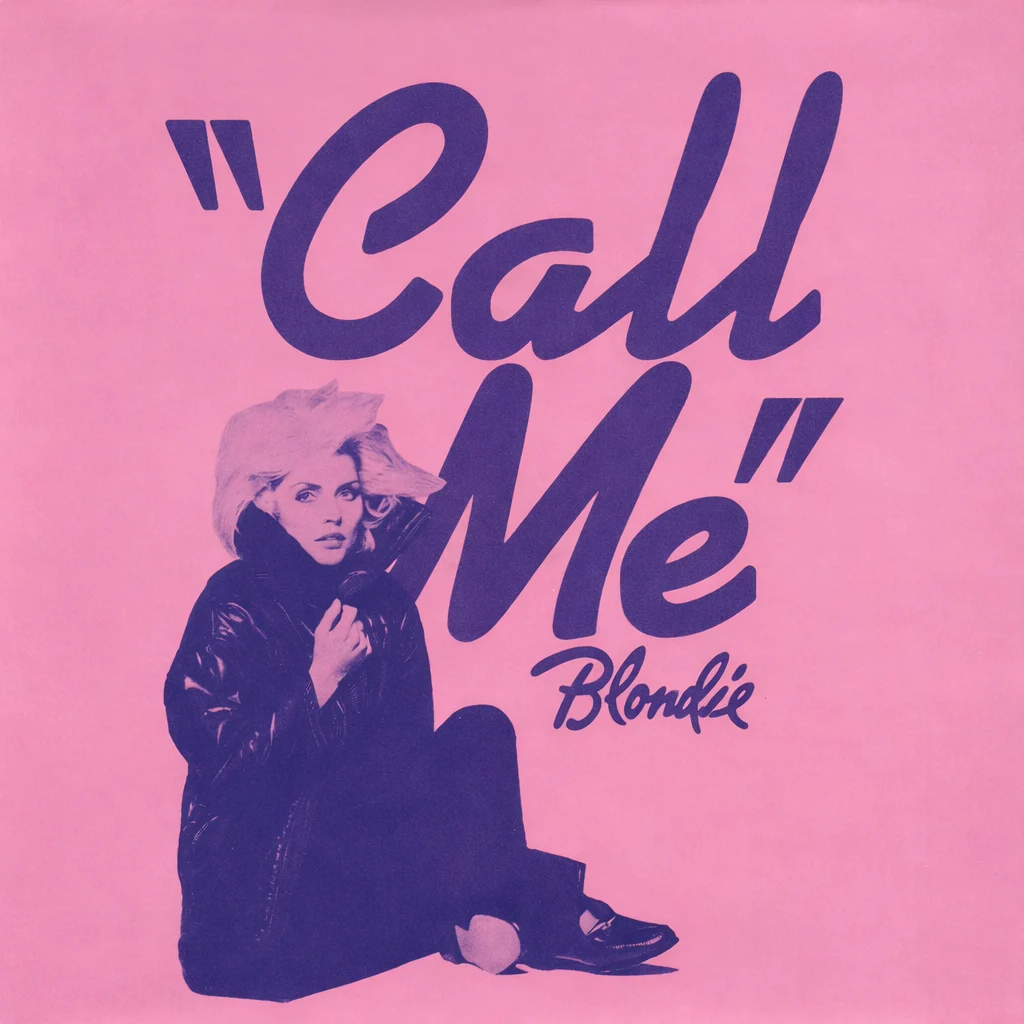
In the neon-soaked transition between the grit of the late seventies and the polished excess of the eighties, few artifacts capture the era’s intersection of rock, disco, and cinematic glamour as perfectly as Blondie’s “Call Me”. Released in 1980, the track serves as more than just a hit single; it is a sonic bridge that connected the underground punk ethos of New York’s CBGB scene with the high-gloss commercialism of Hollywood. It was born from a collaboration that seemed unlikely on paper but proved inevitable in practice: the union of Italian disco pioneer Giorgio Moroder and the quintessential American new wave band led by Debbie Harry.
The origin of the song is steeped in the mechanics of the film industry. Moroder, fresh off his success with Donna Summer and his Academy Award-winning score for “Midnight Express”, was tasked with creating the soundtrack for Paul Schrader’s “American Gigolo”. The film, a sleek and cynical look at hedonism and identity in Los Angeles, needed a theme that felt both urgent and expensive. Moroder initially approached Stevie Nicks to collaborate on the project, but when she declined due to contractual conflicts, he turned to Debbie Harry. It was a pivotal pivot. Harry took Moroder’s rough instrumental demo—then titled “Man Machine”—and, in a matter of hours, transformed it into a narrative of longing, luxury, and transactional romance that perfectly mirrored Richard Gere’s character in the film.
Musically, “Call Me” is a masterclass in driving momentum. It discards the breezy, reggae-tinged lightness of Blondie’s previous hit “The Tide Is High” and the pure disco pulse of “Heart Of Glass” in favour of a harder, more aggressive edge. The opening keyboard riff is iconic—a staccato, urgent signal that mimics the very telephone calls the lyrics demand. It is a song that feels like it is moving at ninety miles per hour down the Pacific Coast Highway. Clem Burke’s drumming provides a relentless powerhouse foundation, while Chris Stein’s guitar work adds a layer of rock-and-roll grit that prevents the track from becoming a mere electronic experiment. At the centre of this whirlwind is Debbie Harry. By 1980, Harry was not just a singer but a global icon of cool.
In “Call Me”, she delivers a vocal performance that is simultaneously commanding and detached. She sings in English, Italian, and French, a nod to the international jet-set lifestyle the song evokes. The lyrics—“Color me your color, baby / Color me your car”—strip away the sentimentality of traditional love songs, replacing it with a sense of aesthetic obsession. The “call” she asks for isn’t necessarily one of emotional connection; it is a call of availability, a theme that resonated deeply with the transactional nature of the “American Gigolo” plot. Harry’s ability to sound both like a street-smart punk and a high-fashion mannequin gave the song its unique, untouchable charisma.
The impact of the song was immediate and overwhelming. It spent six weeks at the top of the Billboard Hot 100, becoming the biggest single of 1980 in the United States. It was the moment Blondie transitioned from being a cool band from the Bowery to becoming the biggest pop act in the world. However, the song’s success also signaled a shift in the musical landscape. “Call Me” was one of the first major hits to successfully integrate the synthesiser-heavy production of Euro-disco with the structural sensibilities of power pop. It paved the way for the synth-pop explosion of the 1980s, influencing everything from the New Romantic movement in the UK to the stadium-rock-meets-electronics sound of bands like Duran Duran and The Cars.
Decades later, “Call Me” remains remarkably modern. Unlike many of its contemporaries that feel anchored to the production gimmicks of their time, the track’s raw energy and sophisticated arrangement have allowed it to endure. It has been covered by artists ranging from Franz Ferdinand to Garbage, yet none can quite replicate the specific alchemy of the original. It remains the definitive anthem of a specific kind of urban yearning—the desire to be noticed, to be chosen, and to be connected in a world that is becoming increasingly fast and increasingly synthetic.
In the broader context of Blondie’s career, “Call Me” represents their peak as a unit. While internal tensions and health issues would eventually lead to the band’s hiatus a few years later, this track caught them at the exact moment their creative curiosity met the world’s appetite for something new. It is a song that belongs to the night, to the silver screen, and to the dance floor. It captures the paradox of the early eighties: the feeling that while everything was becoming more manufactured, the pulse beneath the surface was beating faster than ever. When the final synthesiser fade-out occurs, it leaves behind a sense of breathless anticipation, a reminder of a time when a simple phone call could feel like the most important thing in the world.
The song peaked at No. 01 in the UK Singles Chart on 26th April 1980.
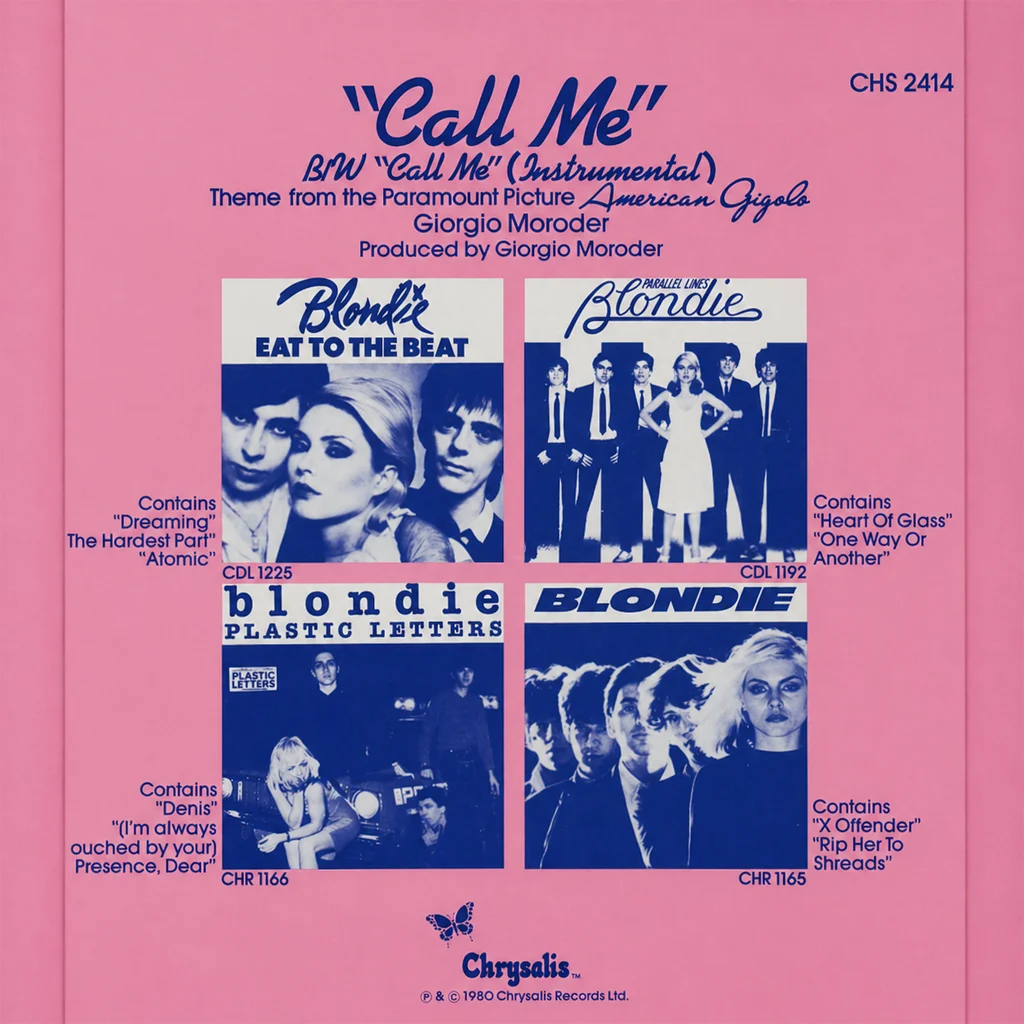
| A-Side | Call Me (3:32) (Giorgio Moroder, Debbie Harry) Produced Giorgio Moroder |
| B-Side | Call Me (Instrumental) (3:29) (Giorgio Moroder) Produced Giorgio Moroder |
| UK Top 40 Chart Run [7 Weeks] – 12th April 1980 – 24th May 1980 |
Officially Released Versions
Call Me (Single Version) (3:32)
Call Me (7″ Instrumental) (3:29)
Call Me (12″ Version) (8:06)
Call Me (12″ Instrumental) (6:07)
Llamame (Call Me) (6:20)
Lyrics
Colour me your colour, baby
Colour me your car
Colour me your colour, darling
I know who you are
Come up off your colour chart
I know where you’re comin’ from
Call me (call me) on the line
Call me, call me any, anytime
Call me (call me) my love
You can call me any day or night
Call me
Cover me with kisses, baby
Cover me with love
Roll me in designer sheets
I’ll never get enough
Emotions come, I don’t know why
Cover up love’s alibi
Call me (call me) on the line
Call me, call me any, anytime
Call me (call me) oh my love
When you’re ready we can share the wine
Call me
Ooo-oo-oo-oo-oo, he speaks the languages of love
Ooo-oo-oo-oo-oo, amore, chiamami, chiamami
Ooo-oo-oo-oo-oo, appelle-moi mon cherie, appelle-moi
Anytime, anyplace, anywhere, any way
Anytime, anyplace, anywhere, any day-ay
Call me (call me) my love
Call me, call me any, anytime
Call me (call me) for a ride
Call me, call me for some overtime
Call me (call me) my love
Call me, call me in a sweet design
Call me (call me), call me for your lover’s lover’s alibi
Call me (call me) on the line
Call me, call me any, anytime
Call me (call me)
Oh, call me, oo-hoo-hah
Call me (call me) my love
Call me, call me any, anytime
Written by Giorgio Moroder, Deborah Harry

You can listen to the tracks below on Spotify. If you have a paid Spotify account, log in, to listen to all tracks (complete). If you do not have a paid Spotify account, you can only listen to a 30-second sample of each track.
Song Number – 0013
Blondie
Call Me
Date Released
4th April 1980
Highest Chart Position
No. 01
Genre
Electronic, Pop, SynthPop
Date Of UK Top 40 Entry
12th April 1980
Label
CHRYSALIS
Catalogue Number
CHS 2412
About eighties archive
We hope this will be your one stop shop for enjoying your Eighties music nights. There are over 3,500 chart entries to add to this site, so call in often, as we will be adding entries every day. We will be adding more features to the site as time goes on. But for now, enjoy!