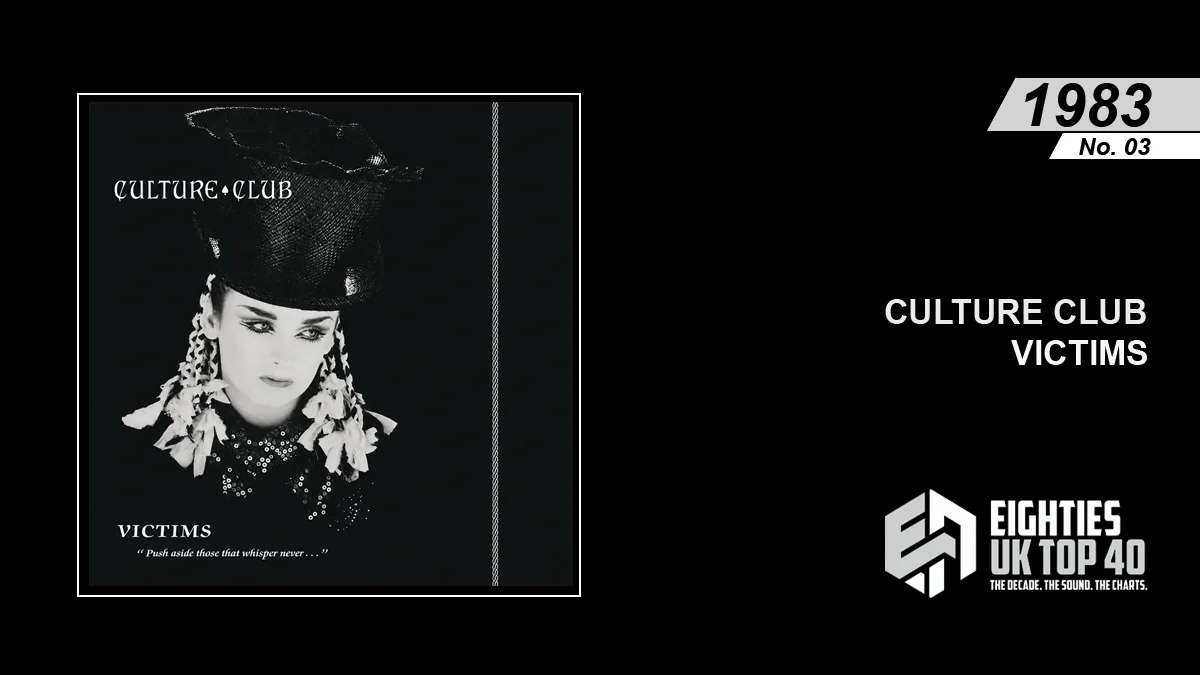
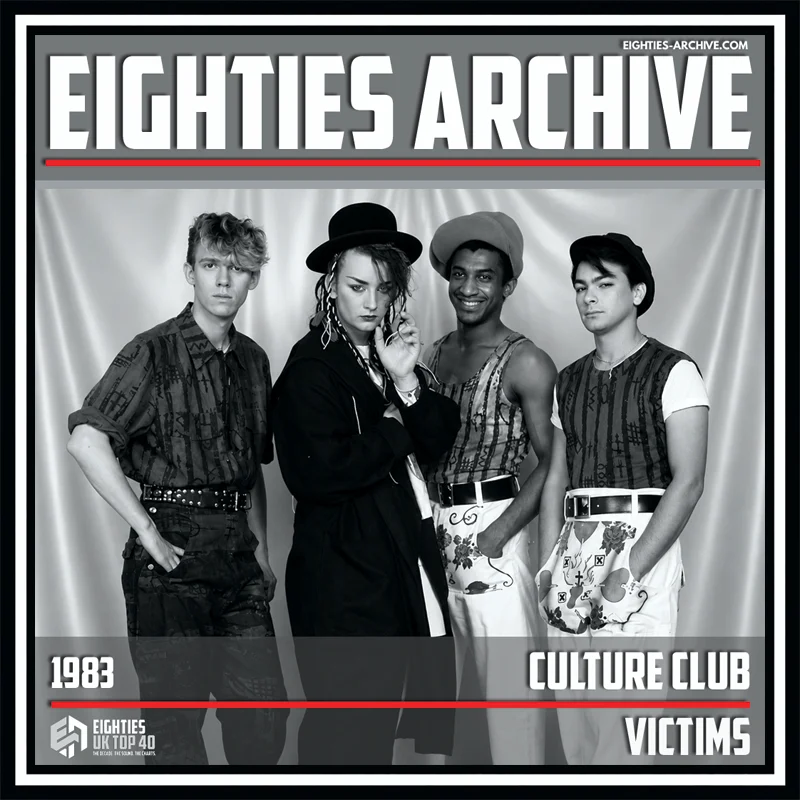
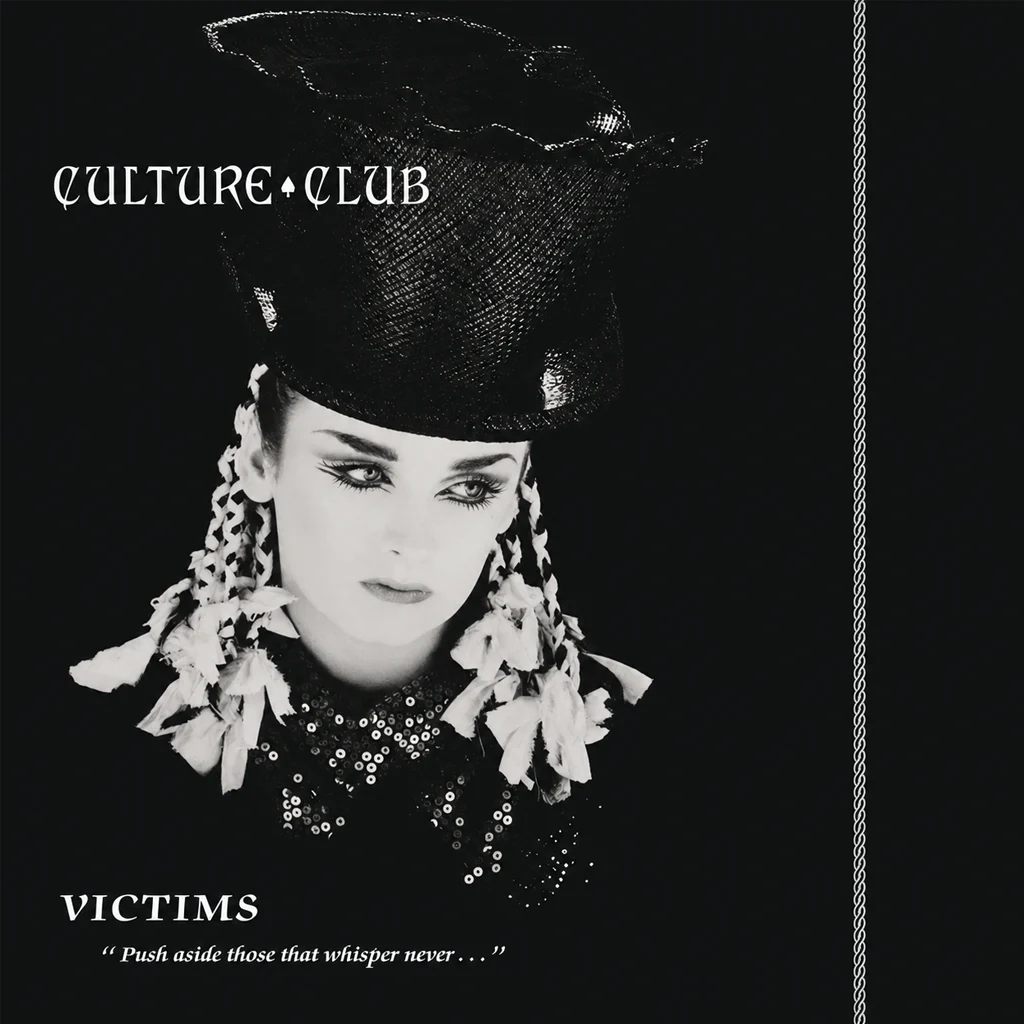
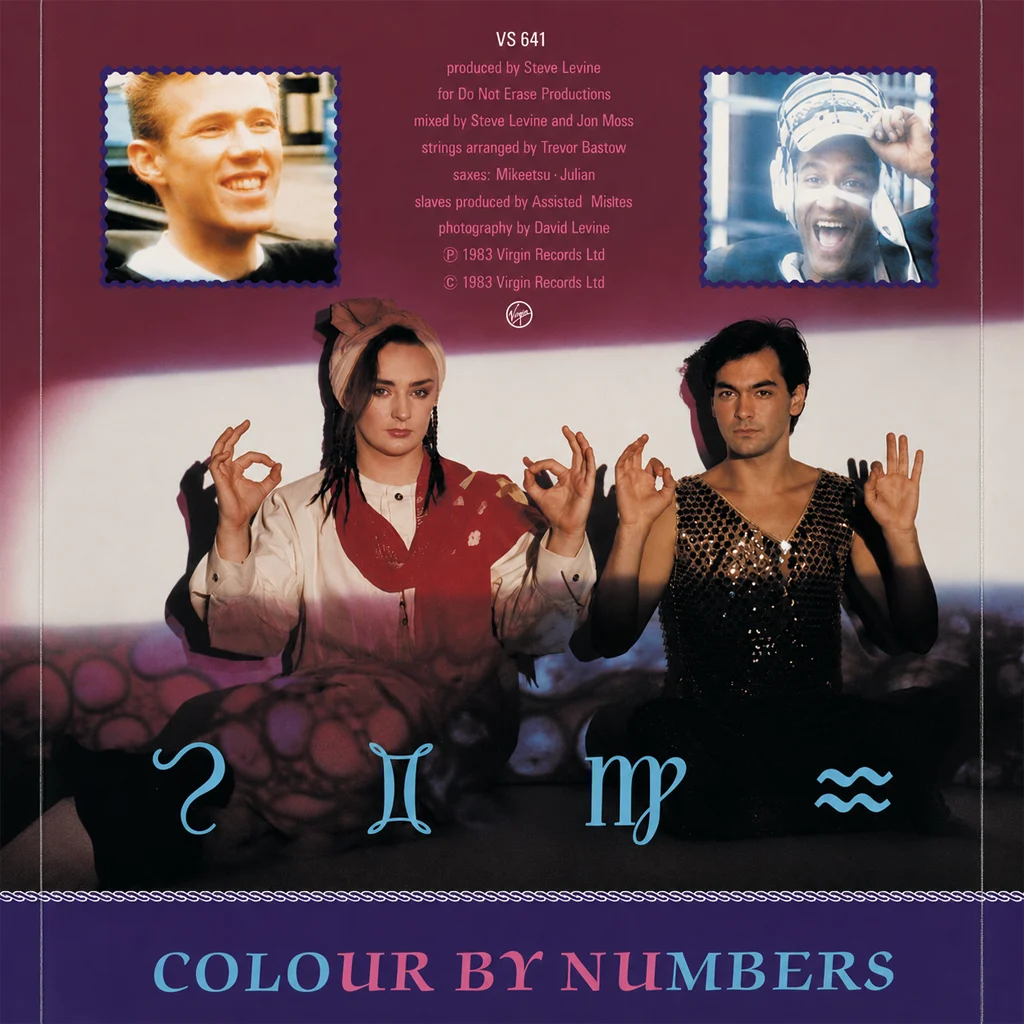
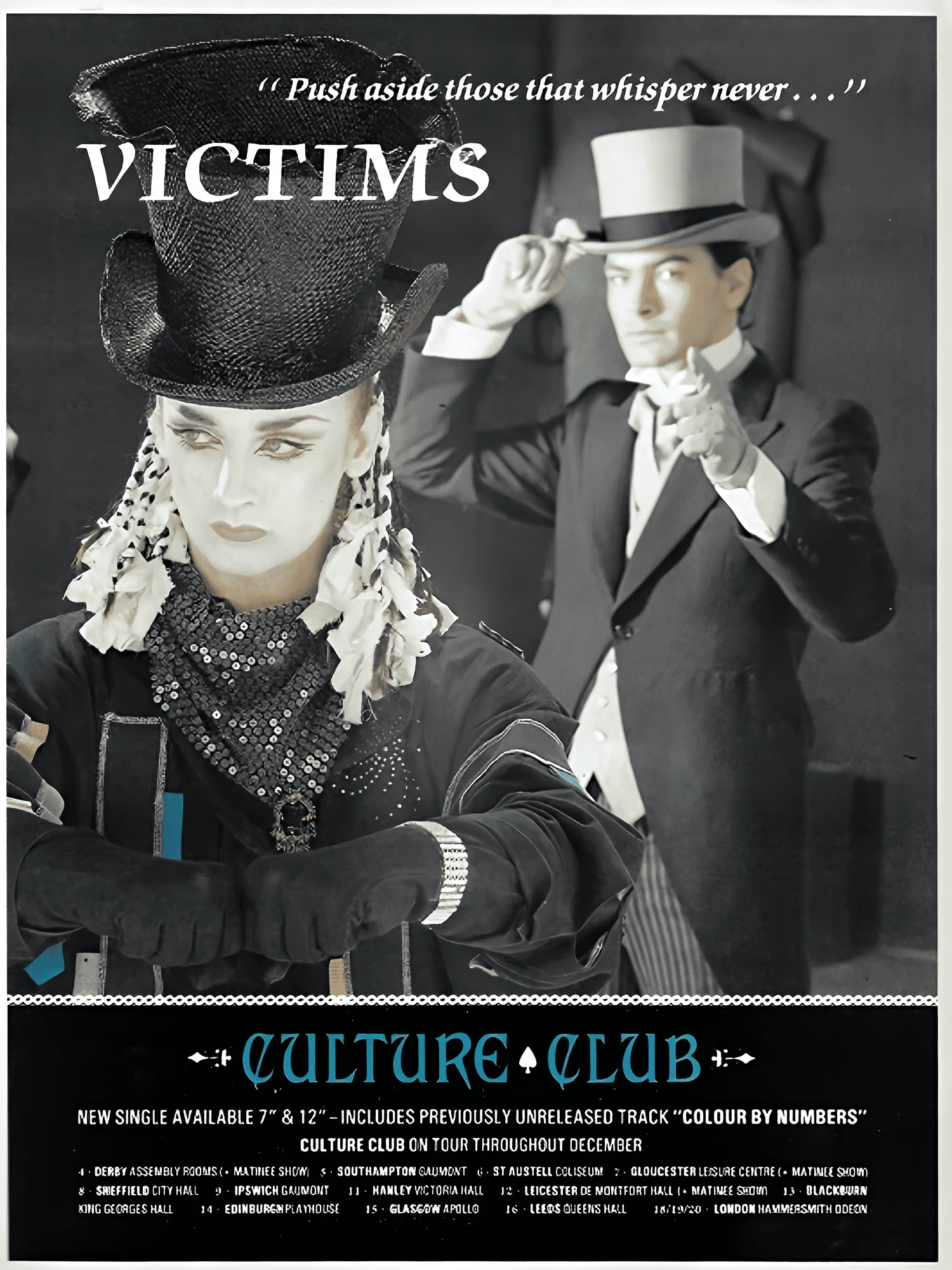
In the tapestry of 1980s pop, where neon brightness and upbeat synthesisers often masked the era’s underlying anxieties, Culture Club’s “Victims” stands as a haunting, baroque masterpiece. Released in late 1983 as the second single from their phenomenally successful album Colour by Numbers, the song serves as a stark departure from the breezy, Caribbean-infused rhythms of “Do You Really Want to Hurt Me” or “Karma Chameleon.” It is a grand, sweeping torch song that stripped away the band’s colourful artifice to reveal the raw, bleeding heart of Boy George’s songwriting and the complex interpersonal dynamics that fueled the band’s creative peak.
From its opening notes, “Victims” signals a shift in tone. A lonely, echoed piano melody sets a sombre stage, immediately establishing an atmosphere of Victorian melodrama updated for the New Romantic age. There are no drum machines or bouncy basslines here to offer comfort. Instead, the arrangement builds with a cinematic gravity, eventually swelling into a lush orchestral crescendo. Produced by Steve Levine, the track features exquisite string arrangements and the gospel-tinged backing vocals of Helen Terry, whose powerful, soul-stirring contributions acted as the perfect foil to George’s smooth, androgynous croon.
Lyrically, “Victims” is an unflinching autopsy of a doomed romance. It is widely understood to be an account of the tumultuous, then-secret relationship between Boy George and the band’s drummer, Jon Moss. The lyrics are heavy with the weight of martyrdom and the cycle of emotional dependency. When George sings, “We love and we never tell / What places our hearts in the wishing well,” he isn’t just writing a pop song; he is articulating the suffocating reality of a love that cannot be openly acknowledged, framed by the social pressures and internal frictions of a band at the height of its fame. The line “The victims we know so well / They shine in your eyes when they kiss and tell” suggests a shared tragedy where both parties are equally exposed and equally wounded by the public gaze.
George’s vocal performance is arguably the finest of his career. He moves from a vulnerable, almost conversational intimacy in the verses to a soaring, desperate power in the chorus. The way his voice breaks on certain lines conveys a sense of genuine exhaustion and heartache that resonated deeply with a global audience. It was a performance that demanded to be taken seriously, effectively silencing critics who had dismissed him as merely a visual provocateur or a “gender-bender” gimmick. In “Victims,” he transformed his personal pain into a universal anthem for anyone who has ever felt trapped by their own affections, culminating in the simple, devastating admission: “And I keep on loving you / It’s the only thing to do.”
The musical complexity of the track was a testament to Culture Club’s versatility as a unit. While Roy Hay’s piano work anchors the song’s emotional arc, Mickey Craig’s subtle bass and Jon Moss’s restrained, orchestral percussion provide a sense of scale that was rarely heard in the Top 40 of the time. The song is a slow burn, eschewing the quick-fix hooks of contemporary pop in favour of a rich, layered experience that rewards repeated listening. The inclusion of a brass section and a full choir in the final act elevates the song from a simple ballad to a secular hymn, a grand statement of emotional endurance.
The music video for “Victims” further cemented its status as a high-art pop moment. Directed by Alice Springs, it opted for a stark, black-and-white aesthetic that contrasted sharply with the vibrant, multi-coloured imagery the band was known for. It focused heavily on George’s expressive face, his elaborate makeup and costume taking on a mournful, almost clown-like quality. The visual language was one of isolation and reflection, mirroring the song’s introspective nature and reinforcing the idea that beneath the celebrity and the costumes was a profound sense of human vulnerability.
Despite its length and sombre theme, “Victims” was a significant commercial success, reaching number three on the UK Singles Chart. It proved that the public had an appetite for substance and that Culture Club was capable of more than just catchy radio hits. It remains a fan favourite and a staple of George’s live repertoire, often serving as the emotional centerpiece of his shows. It represents a moment of total artistic honesty, where the masks were lowered, and the true cost of fame and forbidden love was laid bare.
Looking back, “Victims” serves as a poignant reminder of the fleeting nature of Culture Club’s imperial phase. It captures the band at a crossroads where artistic maturity and internal collapse were inextricably linked. It is a song that feels both of its time and entirely timeless, a beautifully constructed monument to the bittersweet reality that, in the theatre of love, there are rarely any winners—only those who survive to tell the tale.
The song peaked at No. 03 in the UK Singles Chart on 24th December 1983.

Lyrics
The victims we know so well
They shine in your eyes
When they kiss and tell
Strange places we never see
But you’re always there
Like a ghost in my dream
And I keep on telling you
Please don’t do the things you do
When you do those things
Pull my puppet strings
Have the strangest void for you
We love and we never tell
What places our hearts
In the wishing well
Love leads us into the stream
And it’s sink or swim
Like it’s always been
And I keep on loving you
It’s the only thing to do
When the angel sings
There are greater things
Can I give them all to you
Oh
Pull the strings of emotion
Take a ride into unknown pleasure
Feel like a child on a dark night
Wishing there was some kind of heaven
I could be warm with you, smiling
Hold out your hand for a while
The victims
We know them so well
So well
The victims we know so well
They shine in your eyes
When they kiss and tell
Strange places we never see
But you’re always there
Like a ghost in my dream
And I keep on telling you
Please don’t do the things you do
When you do those things
Pull my puppet strings
Have the strangest void for you
Oh
Show my heart some devotion
Push aside those that whisper never
Feel like a child on a dark night
Wishing we could spend it together
I could be warm with you, smiling
Hold out your hand for a while
The victims
We know them so well
So well
Written By Culture Club