

Story Behind The Song
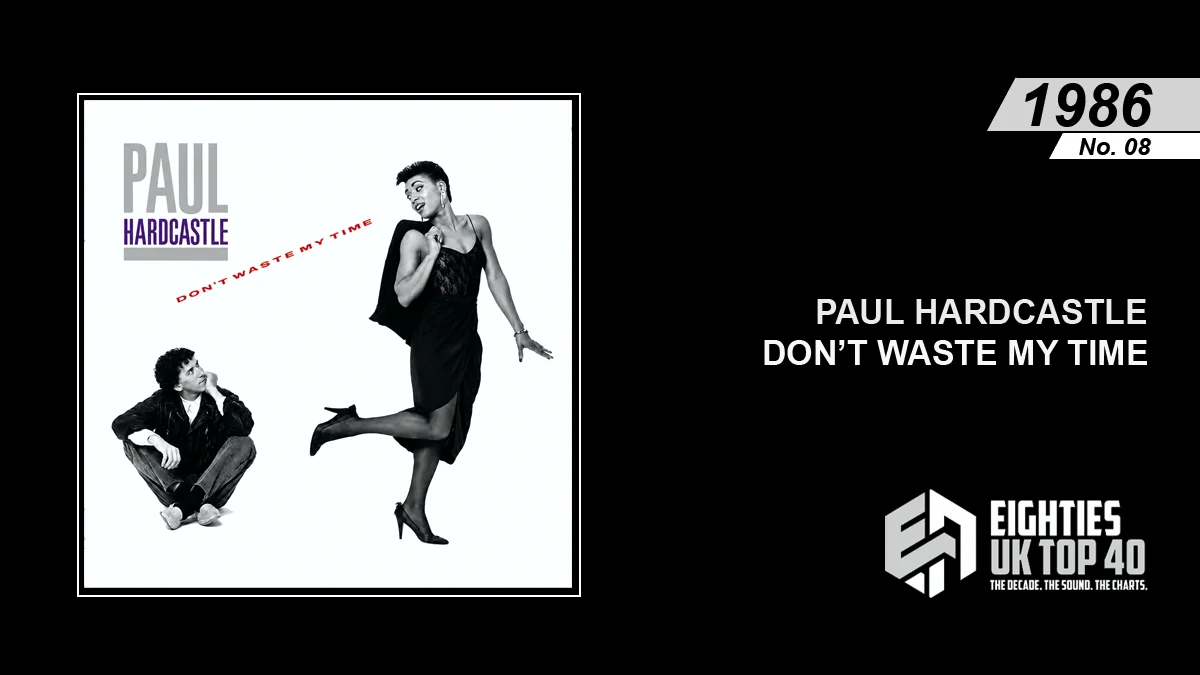
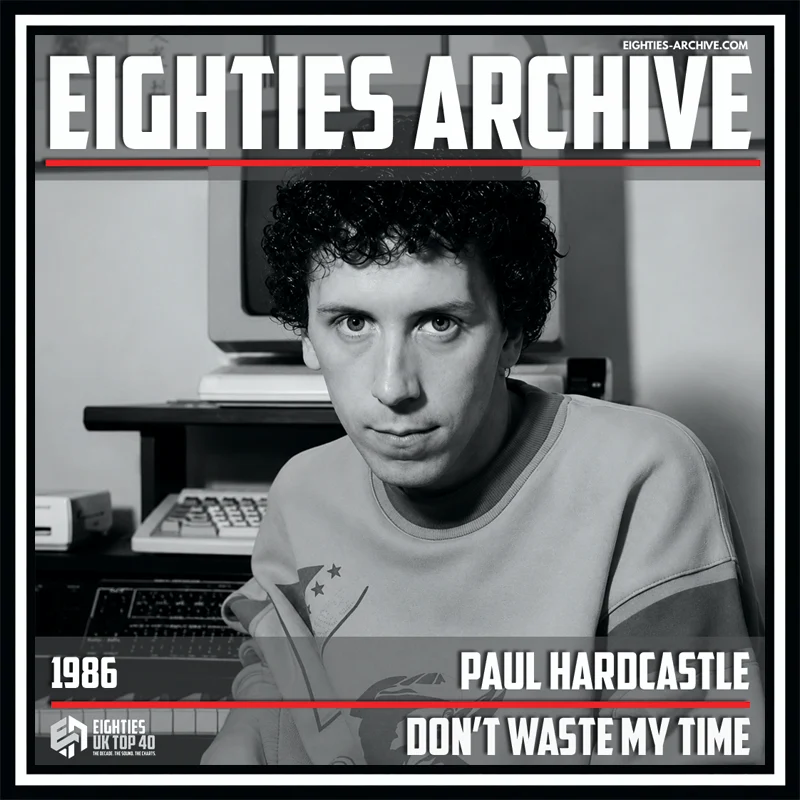
Released in 1986, “Don’t Waste My Time” was one of the standout singles from Paul Hardcastle’s self-titled album. Following the international success of tracks such as “19” and “Just For Money”, the song showcased a lighter, more melodic side of Hardcastle’s songwriting while retaining the sophisticated electronic production that had become his trademark. Featuring vocals by Carol Kenyon, the recording blended synth-pop, jazz-funk and dance influences into a polished and memorable pop single.
The song explores the frustrations of a relationship where trust and commitment are beginning to fade. Its lyrics express the determination to avoid emotional games and move on from uncertainty, while Carol Kenyon’s soulful vocal performance conveys both confidence and vulnerability. Beneath the vocals, Paul Hardcastle’s crisp drum programming, layered synthesisers, melodic bass lines and atmospheric keyboard textures create an effortlessly smooth groove. The combination of electronic precision and soulful emotion gives the track a distinctive character that remains unmistakably rooted in the sound of the mid-1980s.
“Don’t Waste My Time” demonstrated Paul Hardcastle’s versatility as a songwriter, producer and musician, proving he was capable of creating polished pop songs alongside his more experimental instrumental work. Although often overshadowed by his biggest international hits, the song remains a favourite among fans of sophisticated 1980s electronic music. Today, it is appreciated for its elegant production, memorable melody and Carol Kenyon’s outstanding vocal performance, standing as one of the hidden gems in Paul Hardcastle’s impressive catalogue.
The song peaked at No. 08 in the UK charts on 1st March 1986.
Eighties Archive Song Number
Highest Chart Position
Date Released
Genre
Date Of UK Top 40 Entry
Record Label
Catalogue Number
ALL information on this page was obtained from numerous sources. These include The Official Charts website, Discogs, 45Cat, Polyhex, and many other sites.
Some images have been cleaned up using CHATGPT.
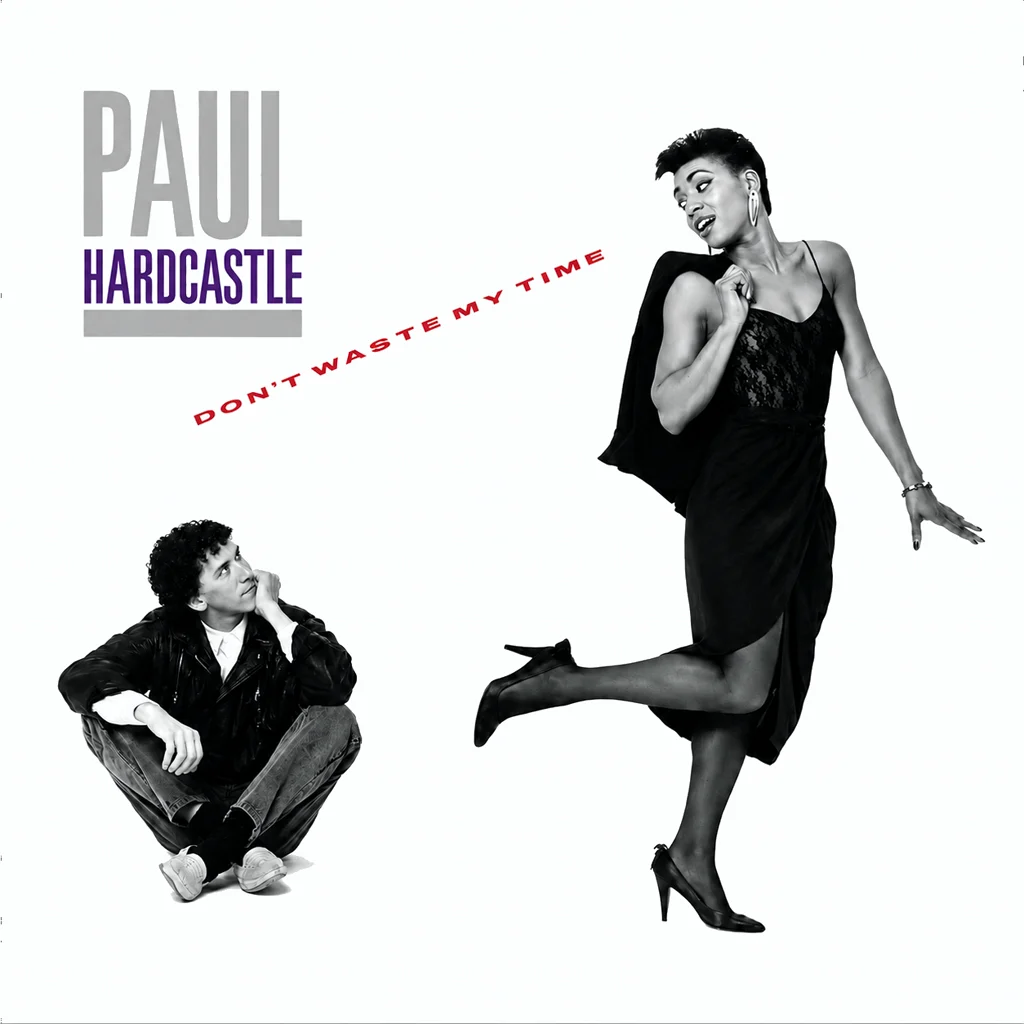
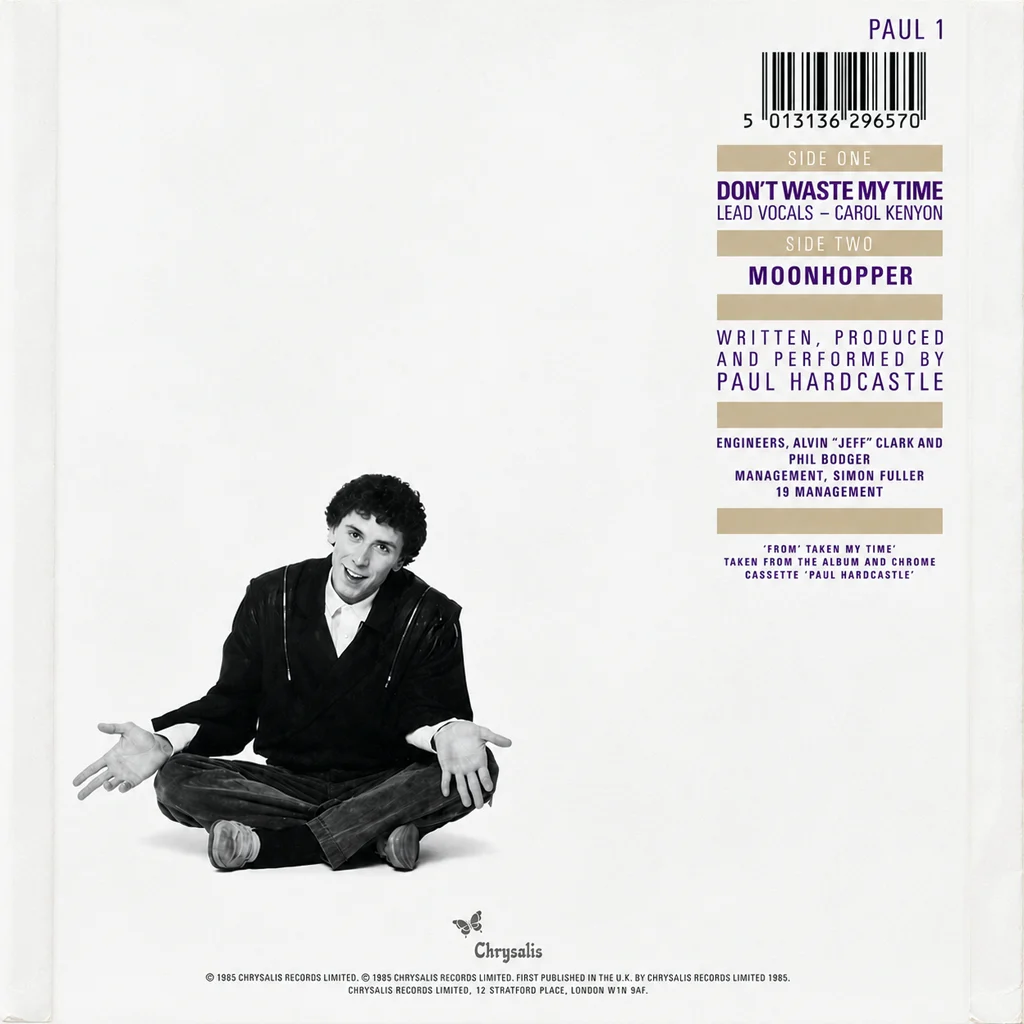
A-SIDE & B-SIDE COVERS
TRACK LISTING
| A-Side | Don’t Waste My Time (3:52) (Paul Hardcastle) Produced By Paul Hardcastle |
| B-Side | Moonhopper (4:18) (Paul Hardcastle) Produced By Paul Hardcastle |
CHART PERFORMANCE
| UK Top 40 Chart Run [8 Weeks] – 8th February 1986 – 29th March 1986 |
OFFICIALLY RELEASED VERSIONS
Don’t Waste My Time (Single Version) (3:52)
Don’t Waste My Time (New Extended Version) (5:28)
Don’t Waste My Time (Essential Well Hard, Crucial Mix) (3:48)
Don’t Waste My Time (Breakers Mix) (Part 1) (5:25)
Don’t Waste My Time (Breakers Mix) (Part 2) (3:53)
Don’t Waste My Time (Album Version) (4:26)
OFFICIAL VIDEO
LYRICS
You keep coming around knocking at the door
But now I just won’t answer
I’ve heard it all before
All you did was keep me within your web of lies
But I’ve got a message for you
Boy
You find it a big surprise
I won’t lie
Here’s my reply – don’t waste my time
Nice try
Goodbye – don’t waste my time
I won’t lie
This is my reply – don’t waste my time
Nice try
Goodbye – don’t waste my time
Next time you gonna play your games
There’s something you ought to know
I’ve been around for a while
Boy
And I can see
See through your show
I’m not impressed by your high and mighty ways
All you got coming are dark and lonely days
There was a time I was willing to be your wife
But that’s all changed now
I’m starting a brand-new life
I won’t lie
Here’s my reply – don’t waste my time
You keep coming around knocking at the door
I won’t lie
Here’s my reply – don’t waste my time
Next time you gonna play your games
Don’t waste my time – nice try
Goodbye – don’t waste my time
I won’t lie
This is my reply – don’t waste my time
Nice try
Goodbye – don’t waste my time
You keep coming around – don’t waste my time
Nice try
Goodbye – don’t waste my time
All you did was keep me within your web of lies
But I’ve got a message for you
Boy
You find it a big surprise
Written By Paul Hardcastle
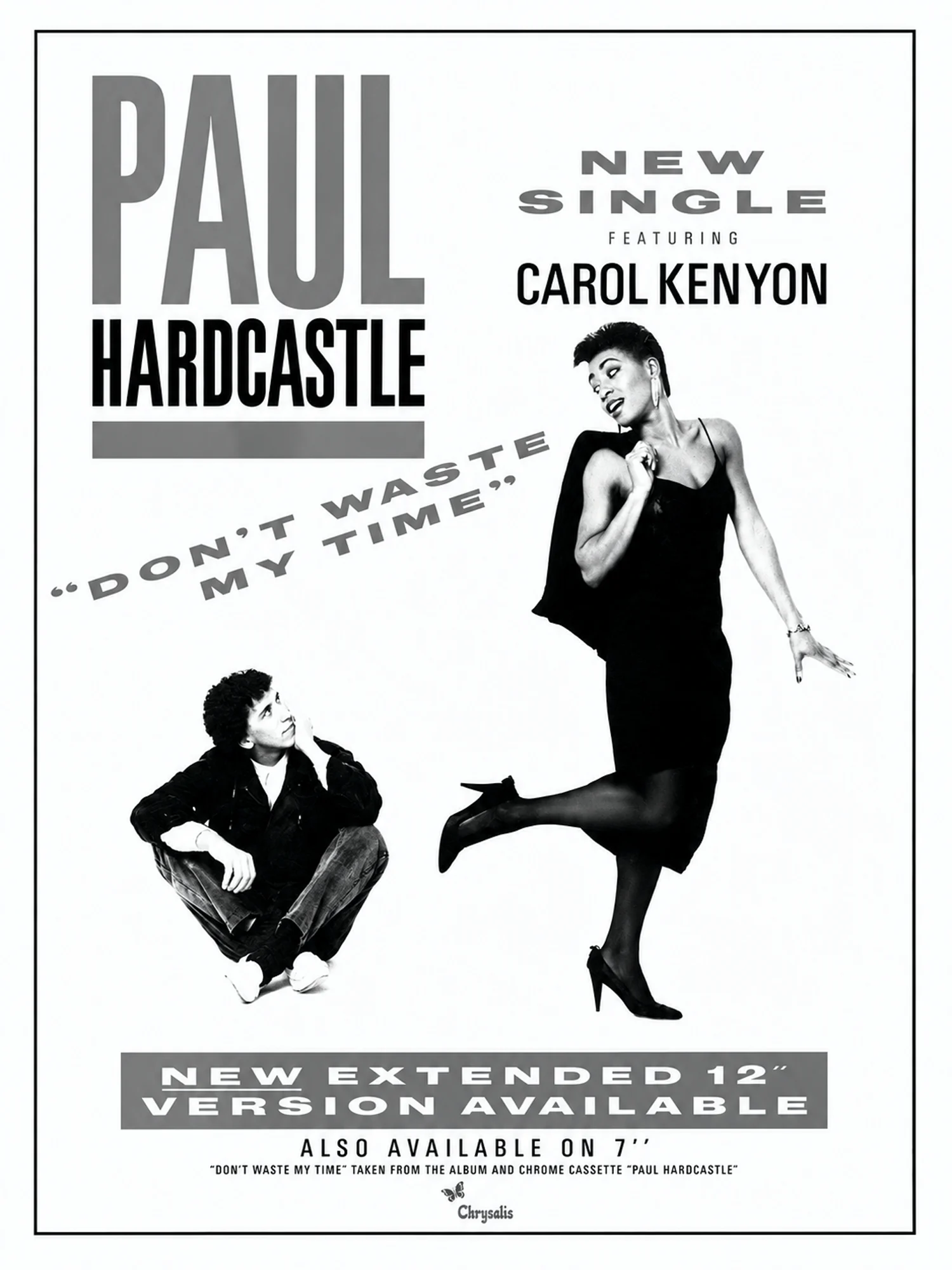
PROMO ADVERT
1 Comment
Hello All
Have we made any mistakes in this posting? Feel free to let us know (we’d appreciate it!)
Regards
Admin