

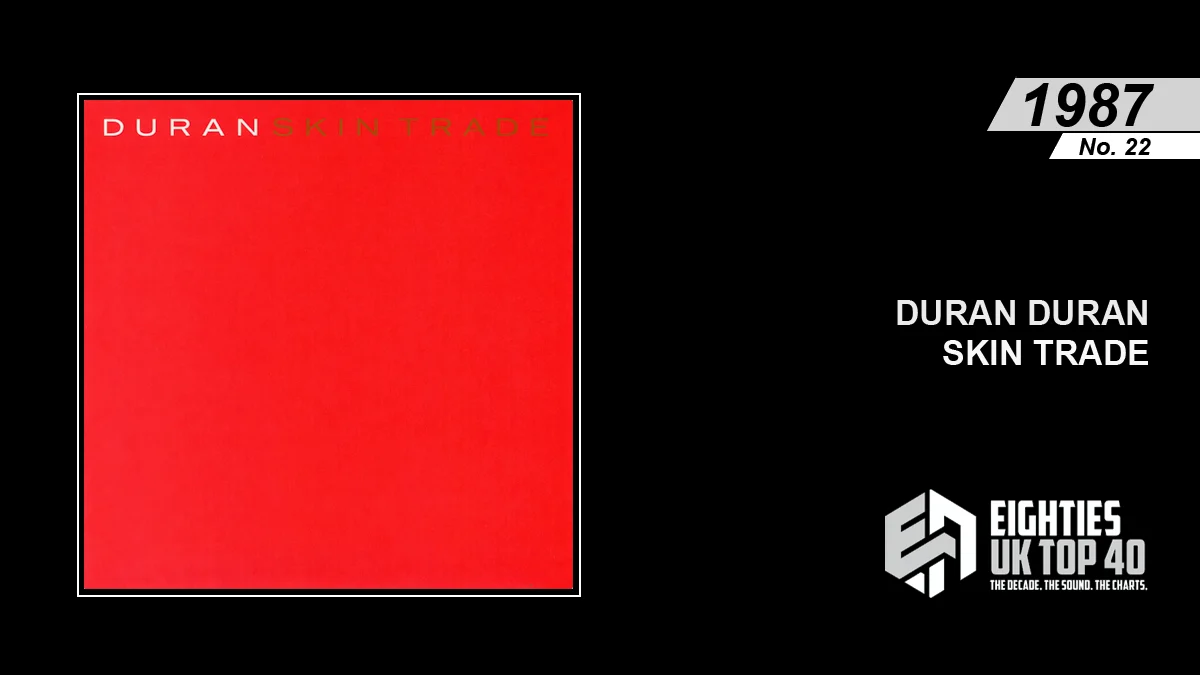
Story Behind The Song
Released in 1987, “Skin Trade” was the second single from Duran Duran’s fourth studio album, Notorious. Following the departure of founding members Andy Taylor and Roger Taylor, the band embraced a more mature, funk-inspired direction, working closely with producer Nile Rodgers. “Skin Trade” reflected this evolution, combining sophisticated production with a darker, more atmospheric sound that showcased a different side of the group.
Written by Simon Le Bon, Nick Rhodes and John Taylor, the song explores themes of desire, temptation and the objectification of people in a world driven by appearance and materialism. The lyrics are deliberately enigmatic, inviting listeners to interpret their deeper meaning. Musically, the track is built around a powerful brass arrangement, driven by the renowned horn section The Borneo Horns, alongside sleek bass lines, layered synthesisers and Simon Le Bon’s expressive vocal performance. The result is one of the band’s most distinctive and adventurous recordings.
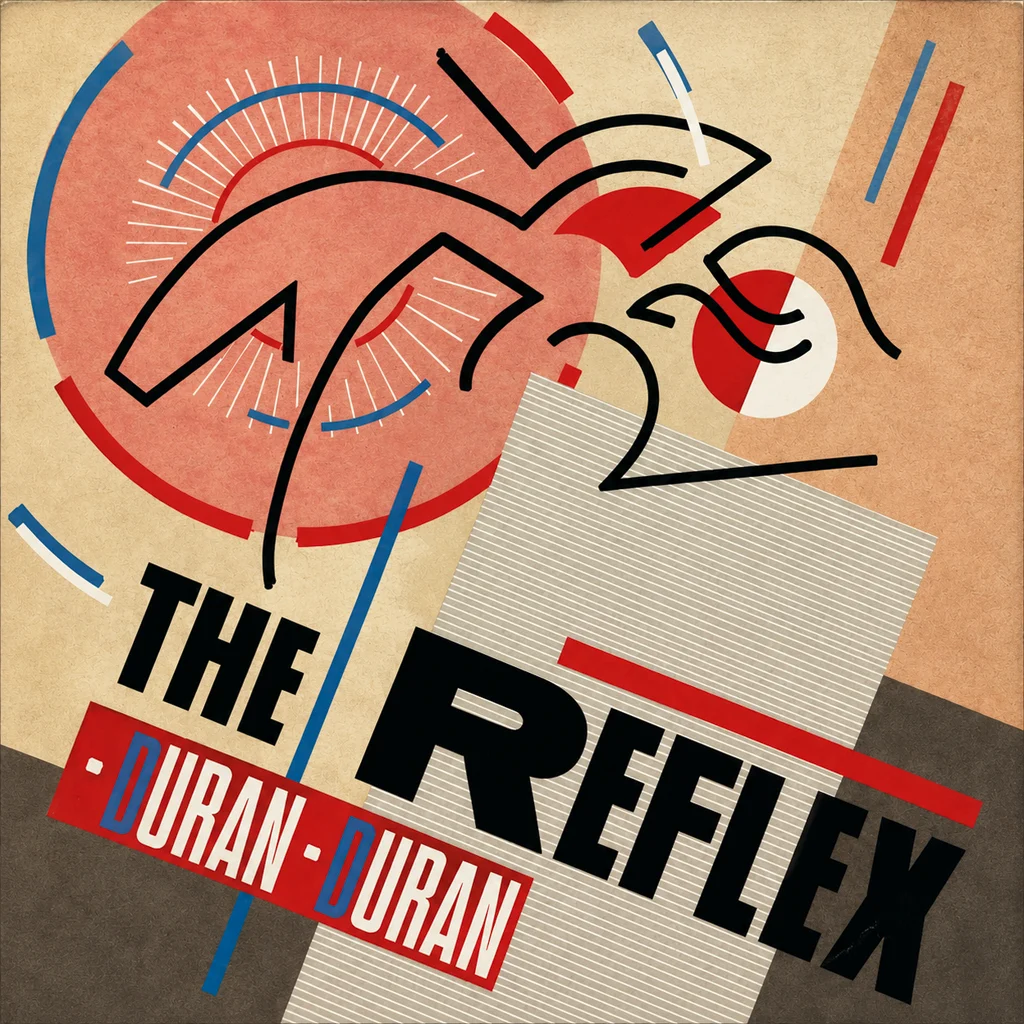
Although different in style from earlier hits such as “Hungry Like The Wolf” and “The Reflex,” “Skin Trade” demonstrated Duran Duran’s willingness to experiment and evolve without losing their identity. Today, it is regarded as one of the hidden gems in the band’s catalogue, admired for its bold production, sophisticated songwriting and stylish blend of pop, funk and soul. The song remains an excellent example of Duran Duran’s ability to reinvent themselves while continuing to produce memorable and innovative music throughout the 1980s.
The song peaked at No. 22 on the UK charts on 7th March 1987.
Eighties Archive Song Number
Highest Chart Position
Date Released
Genre
Date Of UK Top 40 Entry
Record Label
Catalogue Number
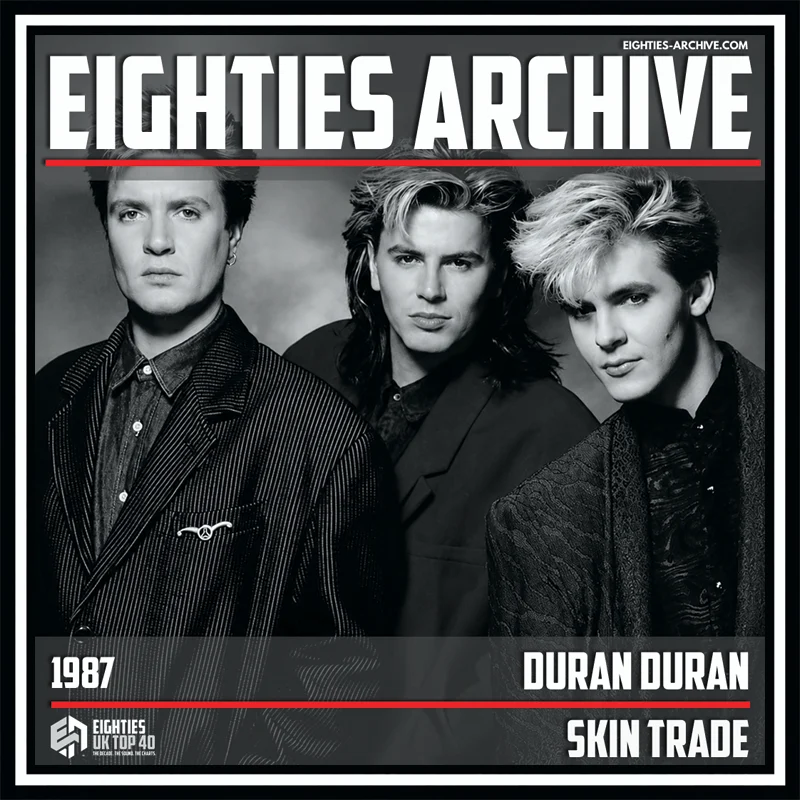
ALL information on this page was obtained from numerous sources. These include The Official Charts website, Discogs, 45Cat, Polyhex, and many other sites.
Some images have been cleaned up using CHATGPT.
A-SIDE & B-SIDE COVERS
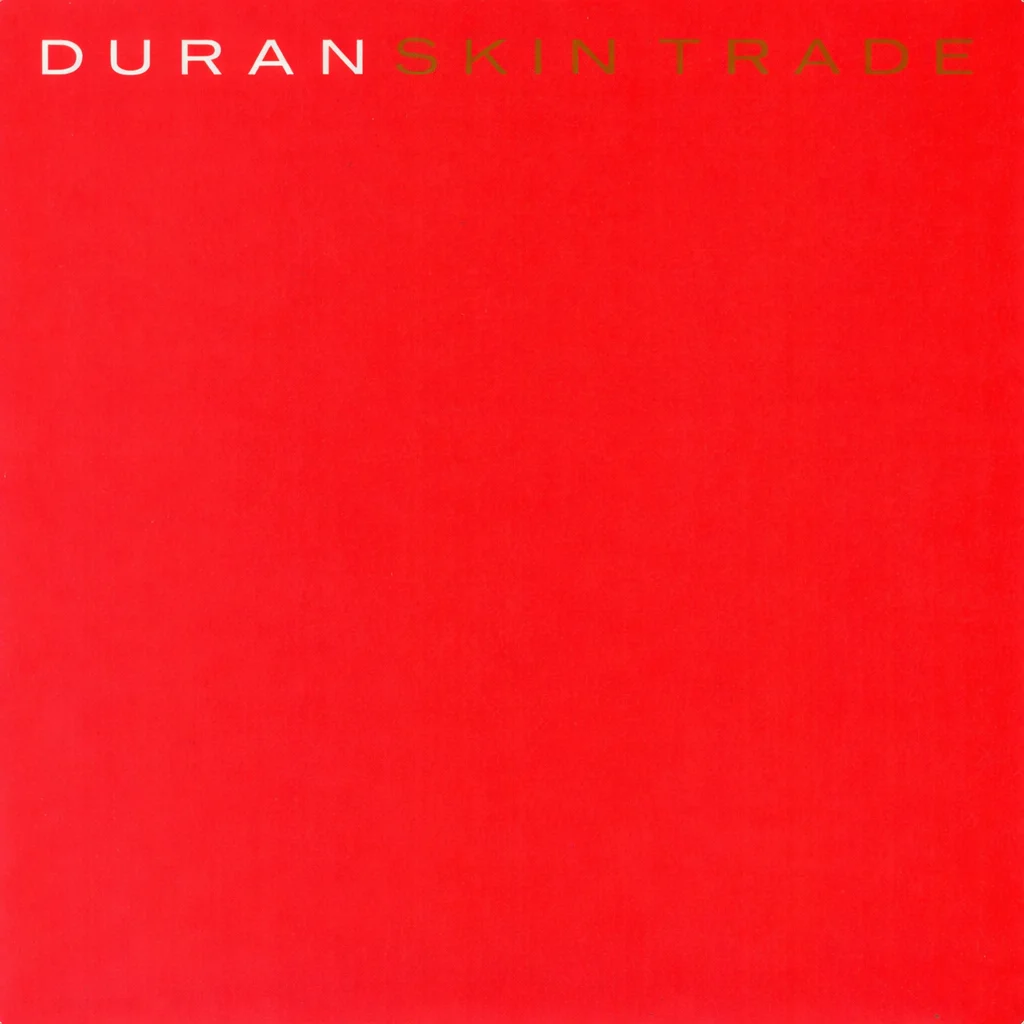

TRACK LISTING
| A-Side | Skin Trade (4:25) (Taylor, Rhodes, Le Bon) Produced By Nile Rodgers |
| B-Side | We Need You (2:50) (Taylor, Rhodes, Le Bon) Produced By Duran Duran |
CHART PERFORMANCE
| UK Top 40 Chart Run [5 Weeks] – 21st February 1987 – 21st March 1987 |
OFFICIALLY RELEASED VERSIONS
Skin Trade (Single Version) (4:25)
Skin Trade (Stretch Mix) (7:40)
Skin Trade (Parisian Mix) (8:08)
Skin Trade (S.O.S. Dub) (7:19)
Skin Trade (Album Version) (5:55)
OFFICIAL VIDEO
LYRICS
Working on the weekend, baby
She’s working all through the night
A jump into the deep end gave her
The evidence she required
Takes five, she’s got pearls
Don’t fake it when it comes to making money
So she smiles, but that’s cruel
If you know what she thinks
If you knew what she was after
Sometimes she wonders
And she laughs in her frustration
Would someone, please, explain
The reason for this strange behaviour
In exploitation’s name
We must be working for the Skin Trade
Doctors of the revolution gave us
The medicine we desired
Besides being absolutely painless
It’s a question of compromise
They got steel
So cool to get angry at the weekend
And go back to school
So big deal, it’s what rule
When it comes to making money
Say yes, please, thank you
Sometimes you wonder
And ask yourself the question
Would someone, please, explain (Would someone, please, explain)
The reason for this strange behaviour
In exploitation’s name
We must be working for the Skin Trade
I know the answer
But you asking the question
Would someone, please, explain
The reason for this strange behavior
In exploitation’s name
We must be working for the Skin Trade
Would someone, please, explain
The reason for this
The reason for this strange behaviour
In exploitation’s name
We must be working for the Skin Trade
Would someone, please, explain
The reason for this
The reason for this strange behaviour
In exploitation’s name
We must be working for the Skin Trade
Would someone, please, explain
The reason…
Written by Taylor, Rhodes, Le Bon
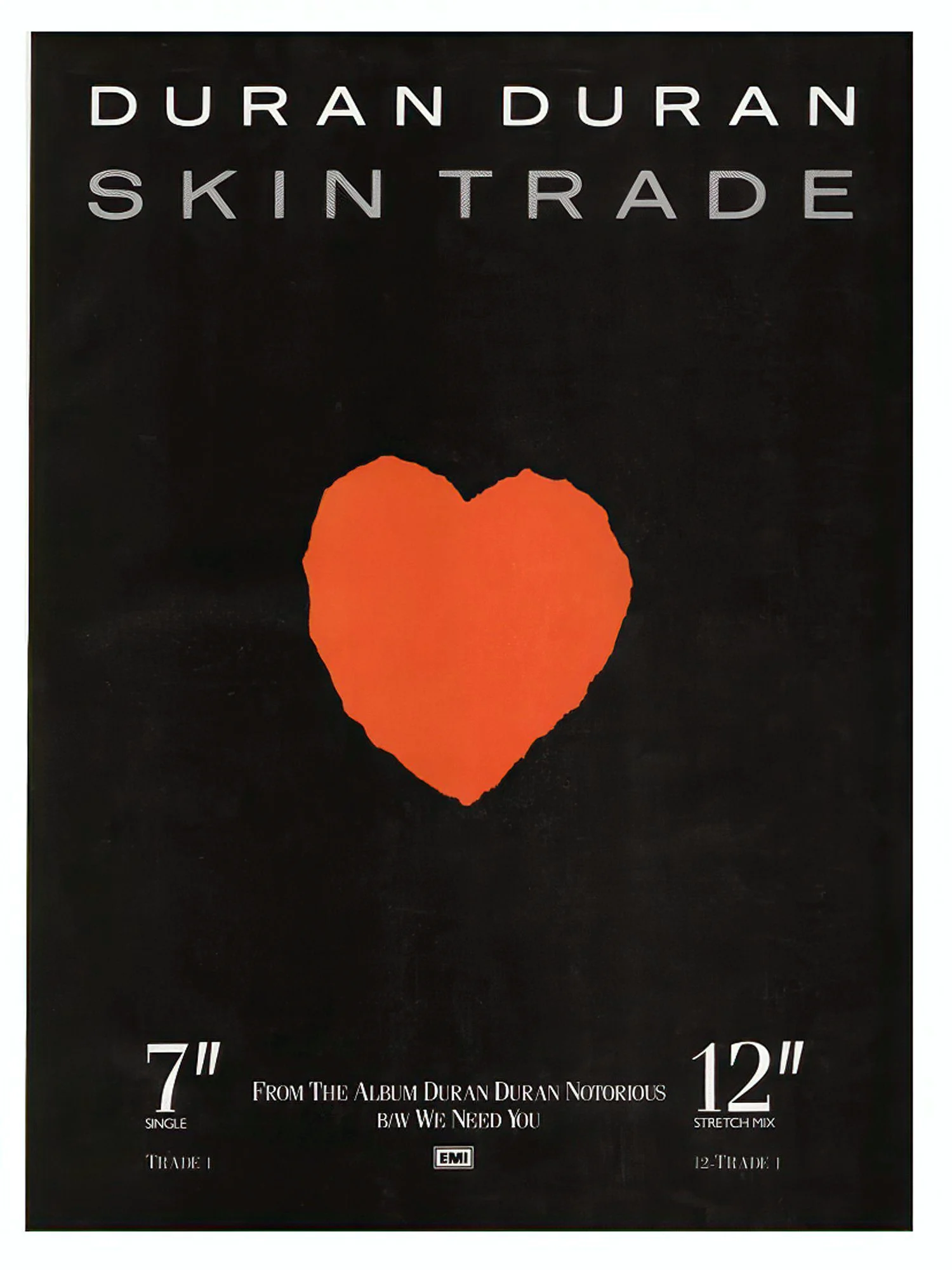
PROMO ADVERT
1 Comment
Hello All
Have we made any mistakes in this posting? Feel free to let us know (we’d appreciate it!)
Regards
Admin