
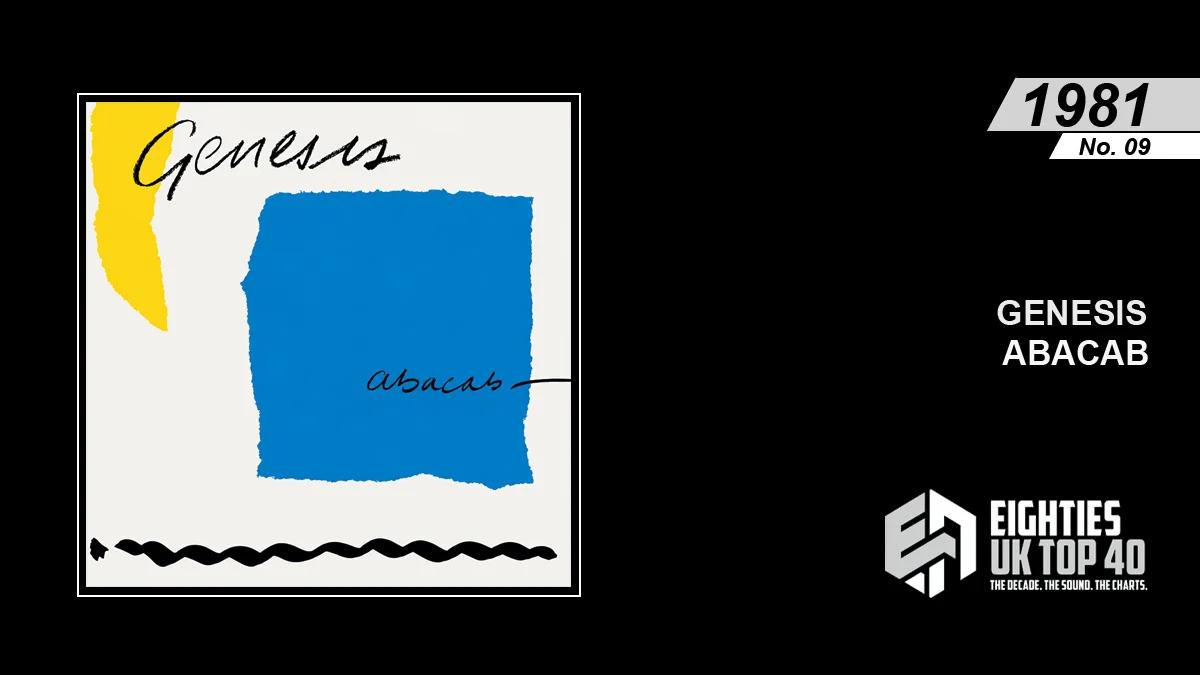
Eighties Archive Song Number
Highest Chart Position
Date Released
Date Of UK Top 40 Entry
Genre
Label
Catalogue Number
Story Behind The Song
Released in 1981, “Abacab” marked a bold new direction for Genesis, becoming the title track of the band’s eleventh studio album. Written by Tony Banks, Phil Collins and Mike Rutherford, the song reflected the trio’s desire to move away from the complex progressive rock arrangements of the 1970s in favour of a leaner, more direct sound. The result was a vibrant fusion of rock, pop and funk that introduced Genesis to a broader audience while retaining their musical sophistication.
The unusual title originated from the structure of an early version of the song, with the different musical sections arranged in the order A-B-A-C-A-B before the composition evolved into its final form. Musically, “Abacab” is driven by Tony Banks’ distinctive synthesiser lines, Mike Rutherford’s powerful guitar and bass work, and Phil Collins’ energetic drumming and confident lead vocal. Its sparse arrangement, infectious groove and extended instrumental passages created a fresh, contemporary sound that stood apart from the band’s earlier material.
“Abacab” proved to be a pivotal release for Genesis, bridging the gap between their progressive rock roots and the polished pop-rock style that would define much of their success throughout the 1980s. It demonstrated the band’s willingness to embrace change without sacrificing their musicianship or creativity. Today, the song remains one of Genesis’ signature recordings, celebrated for its innovative structure, memorable hooks and dynamic performance. It continues to be recognised as a landmark in the band’s evolution and a defining track of the early 1980s.
It peaked at No. 09 in the UK Singles Chart on 5th September 1981.
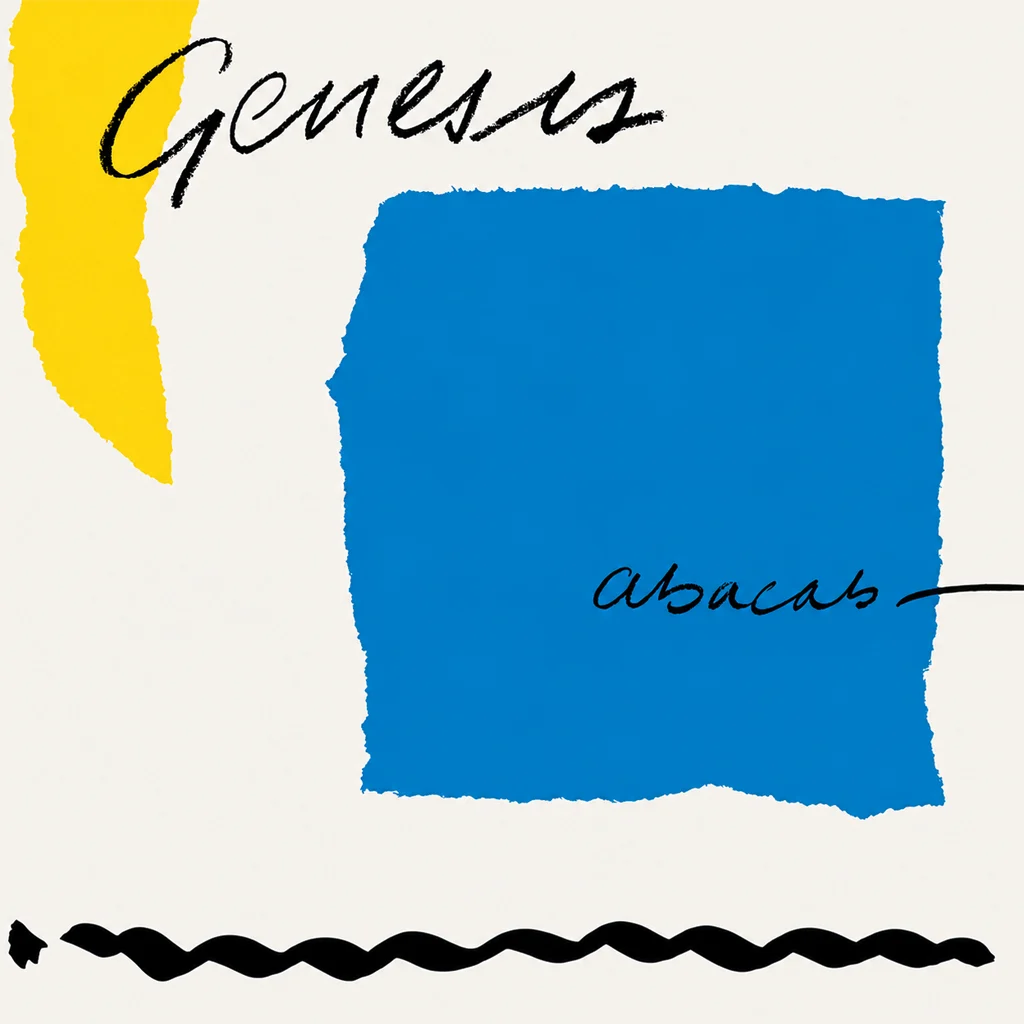
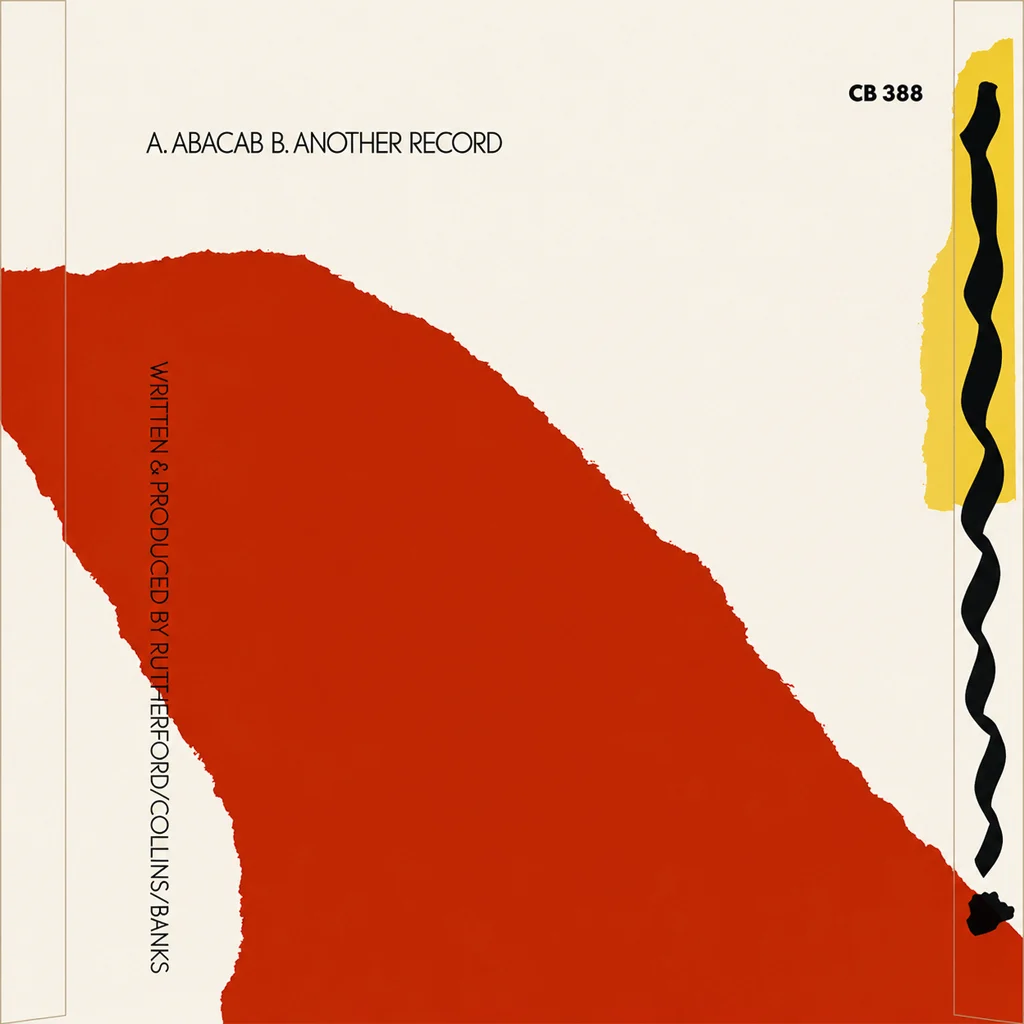
UK 7'' SLEEVE COVERS
Shown below are the picture sleeve covers (front and back) for the UK release of this single. If no cover sleeve was issued in the UK, we will display another country’s picture sleeve.
UK 7'' TRACK LISTING
| A-Side | Abacab (4:10) (Banks, Collins, Rutherford) Produced By Banks, Collins, Rutherford |
| B-Side | Another Record (4:02) (Banks, Collins, Rutherford) Produced By Banks, Collins, Rutherford |
CHART PERFORMANCE (80s Chart only)
| UK Top 40 Chart Run [6 Weeks] – 22nd August 1981 – 26th September 1981 |
OFFICIALLY RELEASED VERSIONS
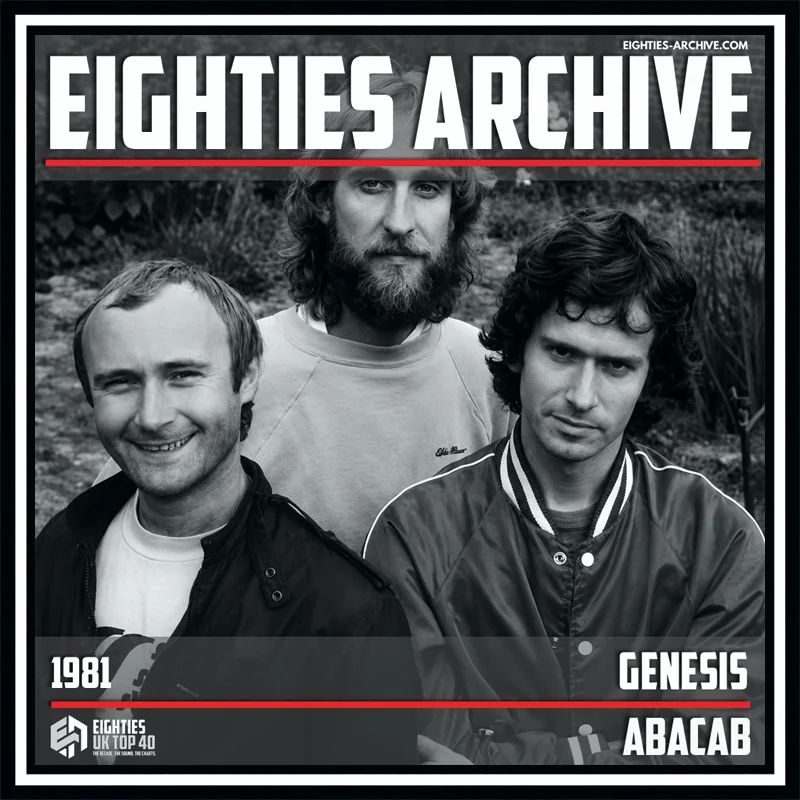
All officially released versions that appeared in the 80s:-
- Abacab (Single Version) (4:10)
- Abacab (US Single Version) (3:59)
- Abacab (Album Version) (6:58)
To hear the FULL version of the songs below, you will need an active Spotify account (Free one). Just log in on your desktop/tablet or phone to hear the FULL versions.
OFFICIAL VIDEO
SONG LYRICS
Look up on the wall, there on the floor
Under the pillow, behind the door
There’s a crack in the mirror
Somewhere there’s a hole in a window pane
Now, do you think I’m to blame?
Tell me, do you think I’m to blame?
(When they do it) You’re never there
(When they show it) You stop and stare
(Abacab) Isn’t anywhere
(Abacab)
If you’re wrappin’ up the world
‘Cause you’ve taken someone else’s girl
When they turn on the pillow
Even when they answer the telephone
Don’t you think they’ll find out?
Tell me, don’t you think they’ll find out?
(When they do it) You’re never there
(When they show it) You stop and stare
(Abacab) Isn’t anywhere
(Abacab) Doesn’t really care
Na-na-nay-na, ah, na-na-na-na
Na-na-nay-na, na, na, na
Na-na-na-na, na-na-na-na-na
Na-na-nay-na, no, no, no, no
You want it, you’ve got it
You’ve gotta go
You want it, you’ve got it
Now you know
It’s an illusion, it’s a game
A reflection of someone else’s name
When you wake in the morning
Wake and find you’re covered in cellophane
Well, there’s a hole in there somewhere
Yeah, there’s a hole in there somewhere
Baby, there’s a hole in there somewhere
Now there’s a hole in there somewhere
(When they do it) You’re never there
(When they show it) You stop and stare
(Abacab) Isn’t anywhere
(Abacab)
(Ah, no, deh-dee)
Written By Banks, Collins, Rutherford
1 Comment
Hello All
Have we made any mistakes in this posting? Feel free to let us know (we’d appreciate it!)
Regards
Admin