


Story Behind The Song
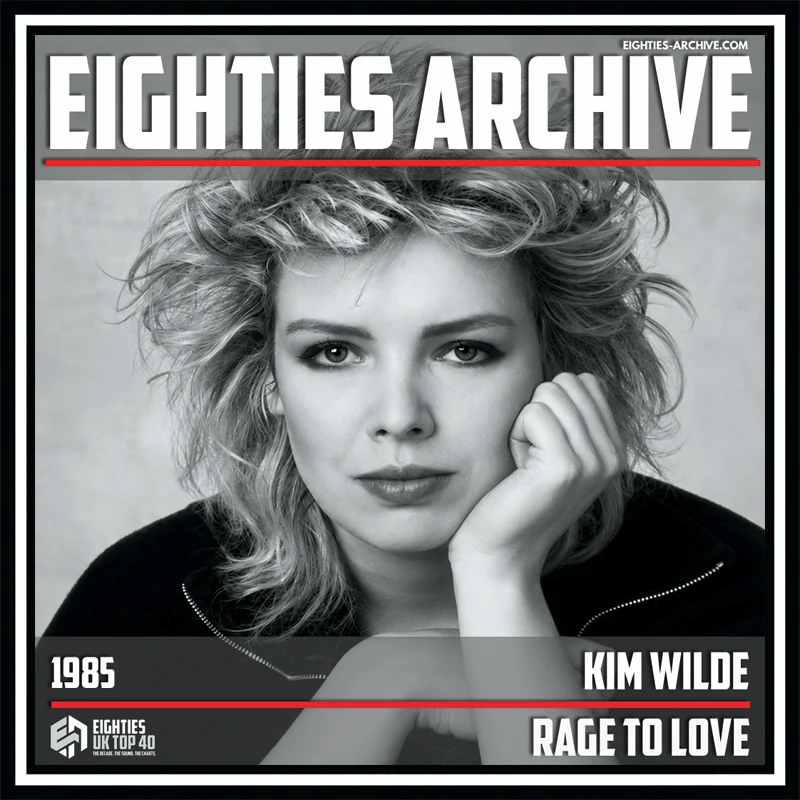
Released in 1985, “Rage To Love” was one of the standout singles from Kim Wilde’s third studio album, Teases & Dares. Written by her brother Ricki Wilde and father Marty Wilde, the song continued the successful family songwriting partnership that had helped establish Kim as one of Britain’s leading pop artists. Blending energetic pop with elements of new wave and rock, it showcased the polished sound that defined much of her mid-1980s output.
The song explores the intensity of romantic emotions, capturing the excitement, uncertainty and passion that can accompany a powerful relationship. Kim Wilde delivers a confident and expressive vocal performance, bringing both strength and vulnerability to the lyrics. Driven by shimmering synthesisers, punchy guitars, powerful drums and an infectious chorus, the production perfectly reflects the vibrant sound of 1980s pop while retaining a timeless appeal.
“Rage To Love” reinforced Kim Wilde’s reputation for delivering well-crafted, melodic pop songs with broad commercial appeal. Although often overshadowed by some of her biggest international hits, it remains a favourite among long-time fans and highlights the consistent quality of the Teases & Dares album. Today, the song is remembered as one of the strongest recordings from this period of her career, admired for its memorable hooks, polished production and Kim Wilde’s charismatic vocal performance. It stands as another fine example of the songwriting and musicianship that made her one of the defining British female pop stars of the 1980s.
The song peaked at No. 19 in the UK singles chart on 25th May 1985.
Eighties Archive Song Number
Highest Chart Position
Date Released
Genre
Date Of UK Top 40 Entry
Record Label
Catalogue Number
ALL information on this page was obtained from numerous sources. These include The Official Charts website, Discogs, 45Cat, Polyhex, and many other sites.
Some images have been cleaned up using CHATGPT.
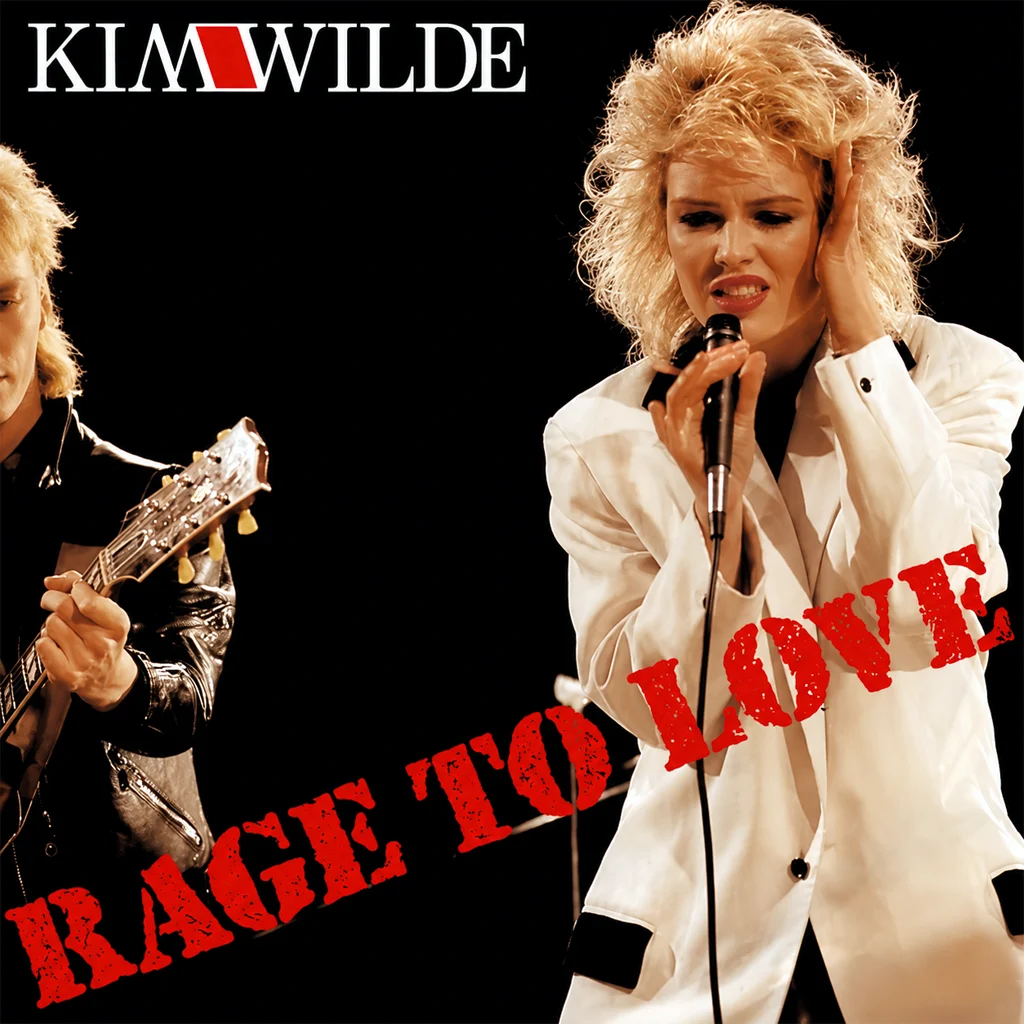
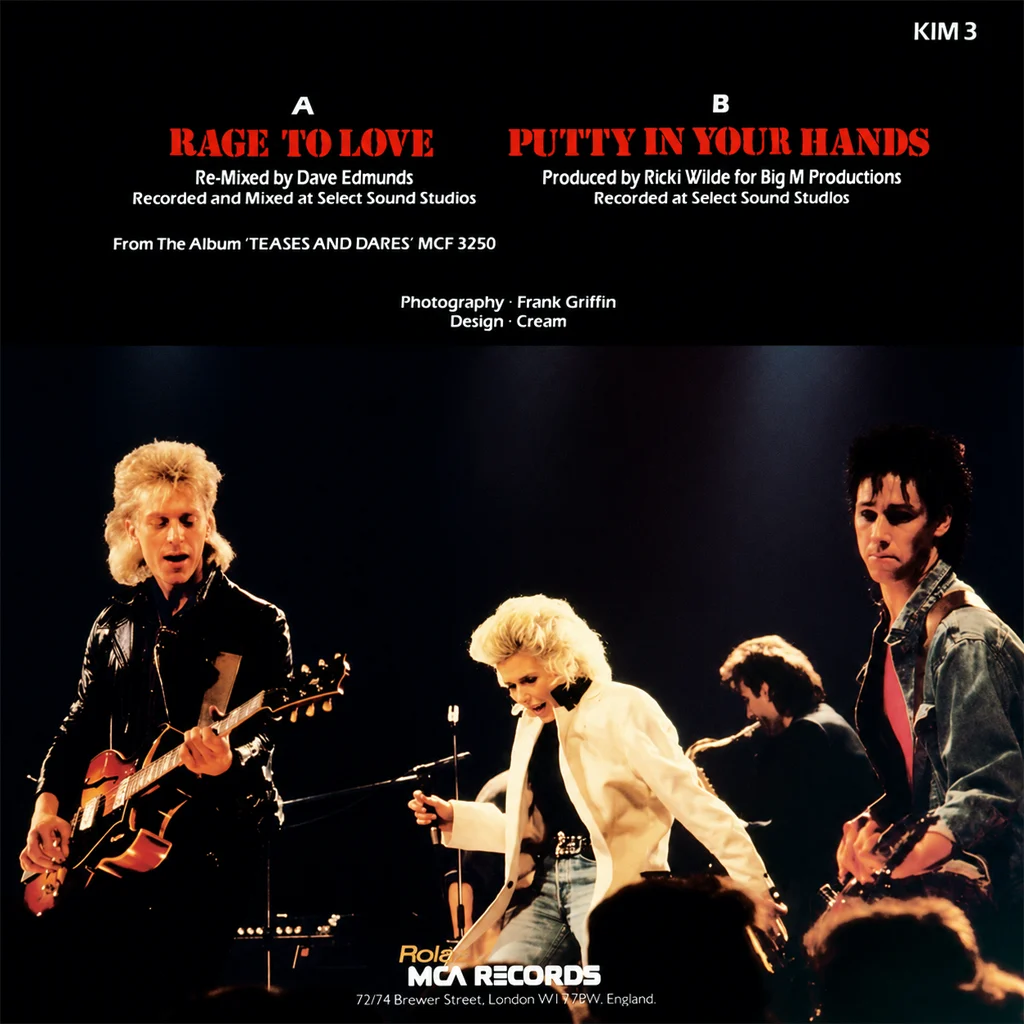
A-SIDE & B-SIDE COVERS
TRACK LISTING
| A-Side | Rage To Love (3:50) (R. Wilde. M. Wilde) Produced By Rikki Wilde |
| B-Side | Putty In Your Hands (3:09) (J. Patton, L. Rogers) Produced By Rikki Wilde |
CHART PERFORMANCE
| UK Top 40 Chart Run [5 Weeks] – 4th May 1985 – 1st June 1985 |
OFFICIALLY RELEASED VERSIONS
Rage To Love (Single Version) (3:50)
Rage To Love (Extended Version) (6:00)
Rage To Love (Album Version) (4:19)
OFFICIAL VIDEO
LYRICS
Ten little Indians standing in a row
All dressed up, but nowhere to go
Lookin’ for a target
Lookin’ for a man
Just get me outta here
It’s not the place my mind’s been thinkin’ of
Just push me out again
It’s no use hangin’ round or hangin’ on
Ooh, seven little Indians standing in a row
The compere walks on the stage and he says, “Sing it girls.”
“Okay!”
(Doo-bee doo-bee doop doop bop bop)
But the band’s no good, and the song don’t cut it
Just get me outta here
It’s not the place my mind’s been thinkin’ of
Just push me out again
It’s no use hangin’ round or hangin’ on
(Doo-bee doo-bee doop doop bop bop)
Hangin’ on
(Doo-bee doo-bee doop doop bop bop)
Come on, let’s go tonight
We got a brand new way to celebrate it
Oh, I got this rage to love
Baby, it’s so right, and if you feel it, great!
Dedicate it
Oh, I got this rage to love
Three little indians cryin’ in their make-up
Nobody stops and nobody cares
Just get me outta here
It’s not the place my mind’s been thinkin’ of
Just push me out again
It’s no use hangin’ round or hangin’ on
(Doo-bee doo-bee doop doop bop bop)
Hangin’ on
(Doo-bee doo-bee doop doop bop bop)
Come on, let’s go tonight
We got a brand new way to celebrate it
Oh, I got this rage to love
Baby, it’s so right, and if you feel it, great!
Dedicate it
Oh, I got this rage to love
(Doo-bee doo-bee doop doop bop bop, doo-bee doo-bee doop doop bop bop)
Come on, let’s go tonight
We got a brand new way to celebrate it
Oh, I got this rage to love
Baby, it’s so right, and if you feel it, great!
Dedicate it
Oh, I got this rage to
Oh, it’s just this rage to
Oh, I got this rage to love
(Doo-bee doo-bee doop doop bop bop)
I got, I got, I got, I got
(Doo-bee doo-bee doop doop bop bop)
I got this rage to love
(Doo-bee doo-bee doop doop bop bop)
I got, I got, I got, I got
(Doo-bee doo-bee doop doop bop bop)
I got this rage to love
(Doo-bee doo-bee doop doop bop bop)
Written by Rikki Wilde, Kim Wilde
PROMO ADVERT


1 Comment
Hello All
Have we made any mistakes in this posting? Feel free to let us know (we’d appreciate it!)
Regards
Admin