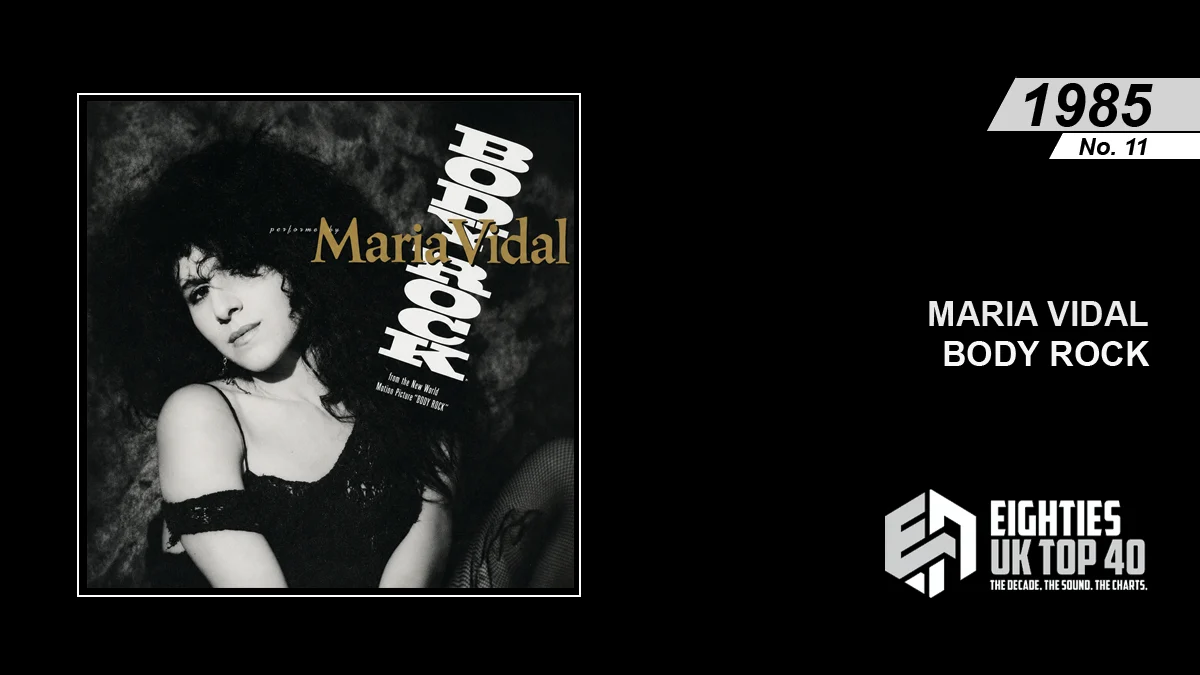
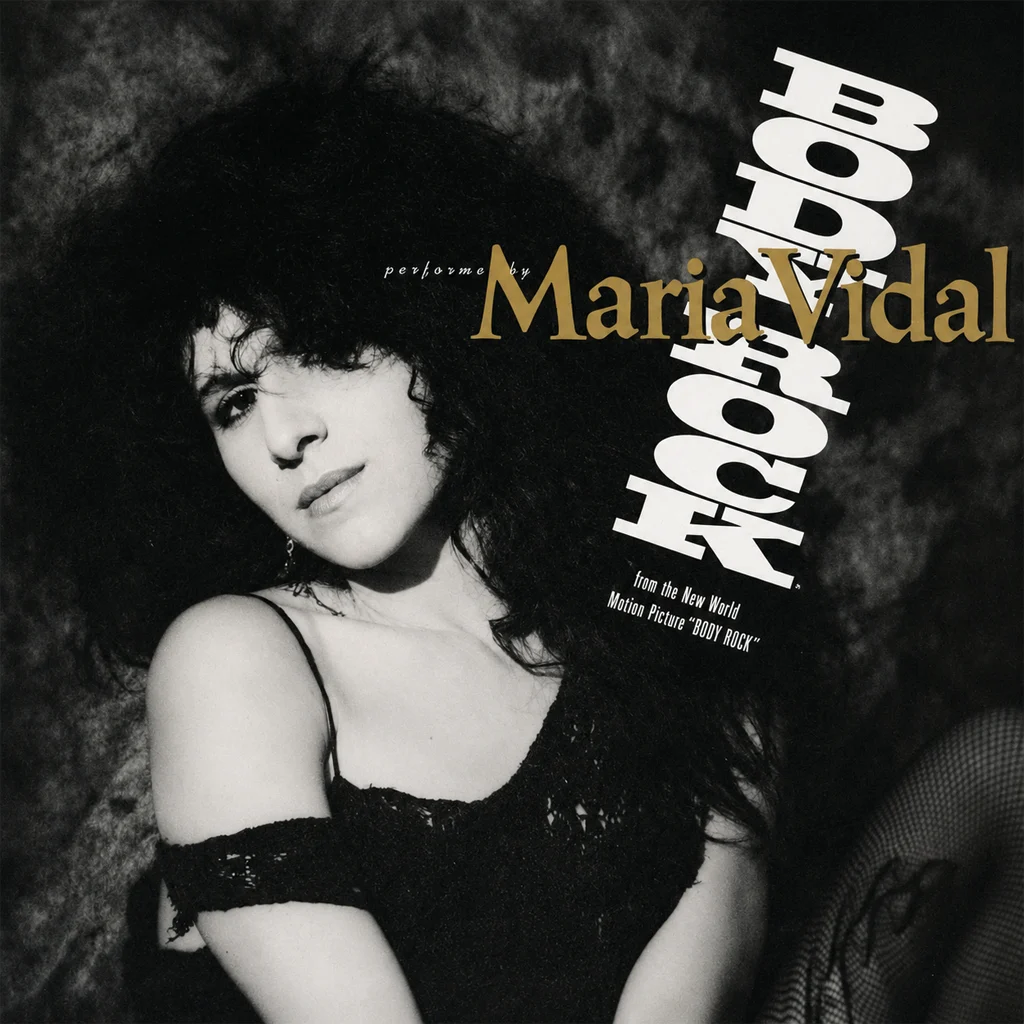
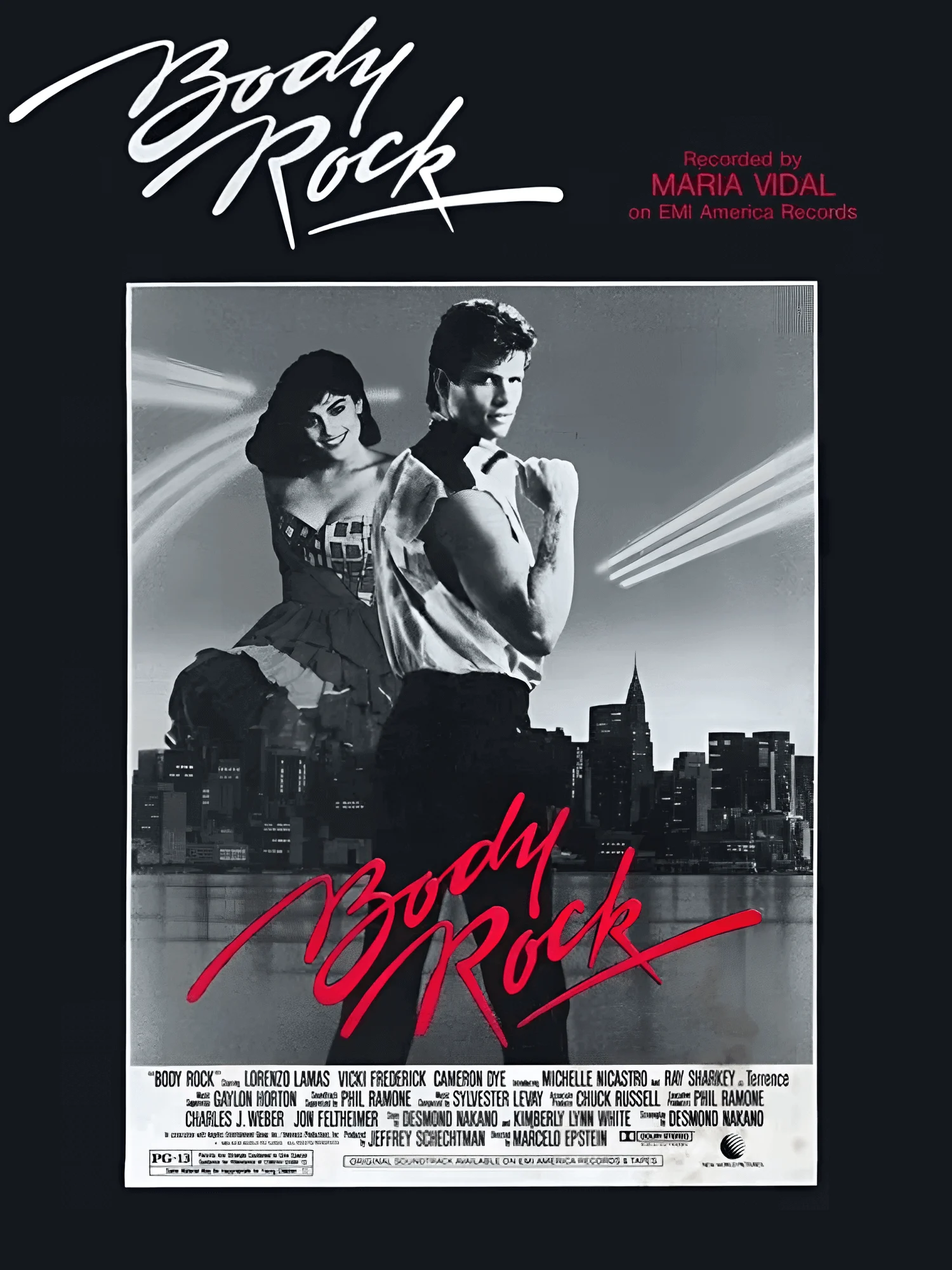
In the vibrant sonic landscape of the mid-1980s, the intersection of cinema and electronic dance music produced some of the decade’s most electric pop culture artifacts. Standing tall among these treasures is Body Rock, the explosive 1984 title track performed by Maria Vidal for the cult breakdancing film of the same name. While the movie itself faded into the realm of nostalgic late-night television, the theme song took on a massive, independent life of its own on international dancefloors and radio airwaves. It remains a staggering masterclass in high-energy synth-pop, post-disco drive, and vocal pyrotechnics, capturing the raw, kinetic ambition of an era obsessed with movement, rhythm, and self-expression.
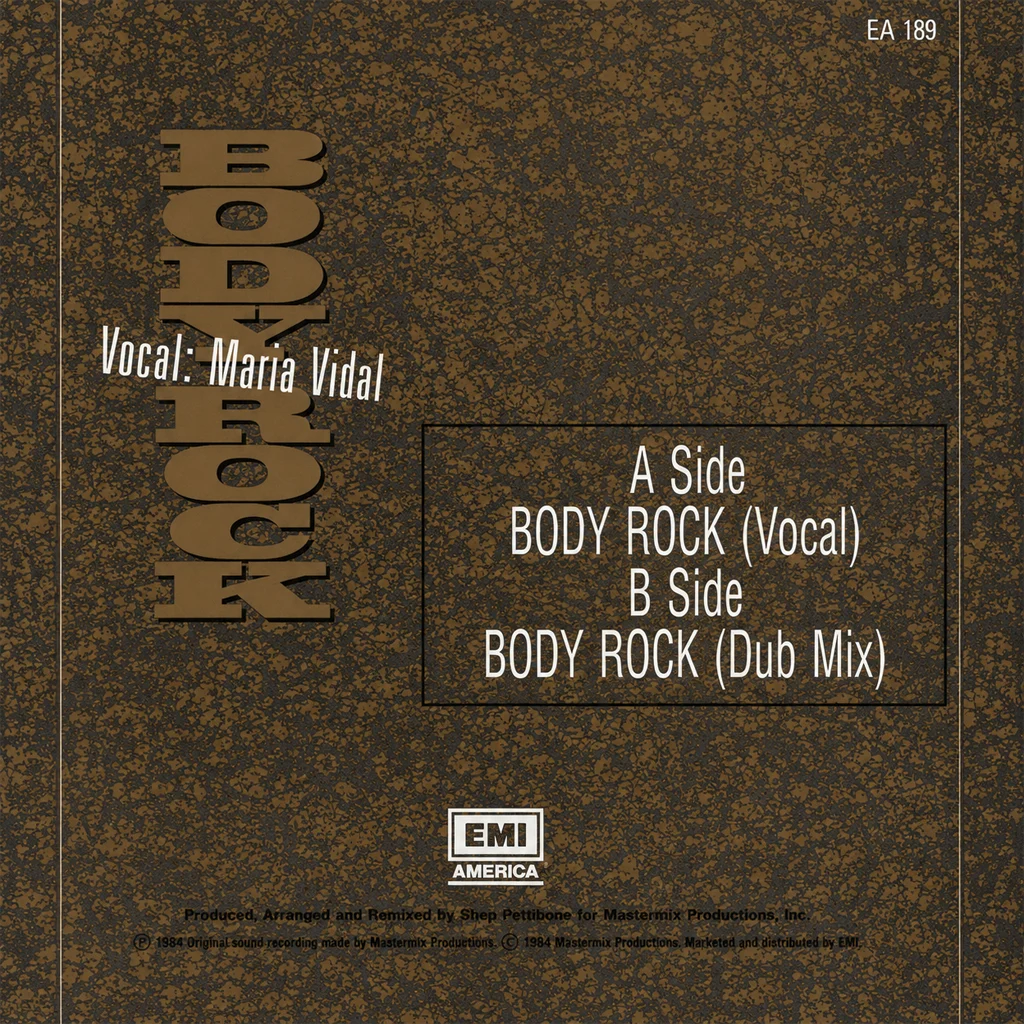
Musically, Body Rock is an unrelenting engine of rhythm and synthetic texture. Produced by John “Jellybean” Benitez, a legendary figure in the New York club scene who famously shaped early hits for Madonna, the track pulses with an unmistakable urban urgency. It opens with an aggressive, syncopated drum machine pattern that immediately demands physical movement from the listener. Layered over this driving beat are sharp, stabbing synthesizer hooks and an infectious, funk-infused bassline that locks the track into a permanent groove. Benitez skillfully blends the polished sensibilities of mainstream pop with the underground energy of freestyle and electro-dance music, creating a sonic architecture that feels both heavily engineered and wildly spontaneous. The production utilizes dramatic dynamic shifts, with sweeping electronic fills and sudden rhythmic drops that mirror the gravity-defying moves of the street dancers portrayed in the accompanying film.
At the center of this sonic storm is Maria Vidal, whose vocal performance elevates the track from a standard movie tie-in to an epic anthem of liberation. Vidal possesses a remarkably powerful instrument, characterized by a rich, smoky tone in her lower register and an astonishing, soaring belt at the top of her range. Rather than getting buried beneath the dense wall of synthesizers, her voice cuts through the mix with absolute authority. She delivers the verses with a cool, streetwise swagger, building tension with every line until the song explodes into the soaring, triumphant chorus. Vidal sings with the desperate, hungry passion of an artist who understands the high stakes of the urban dance subculture. Her ad-libs and vocal runs in the song’s extended bridge and outro are breathtaking, showcasing a soulful intensity that anchors the electronic arrangement in human emotion.
The lyrics of Body Rock serve as a poetic manifesto for the street dance movement and the universal desire for self-actualization. On the surface, the words celebrate the physical act of dancing, urging the listener to let the rhythm take control of their body. However, beneath the club-ready instructions lies a deeper narrative about survival, identity, and escape. The lyrics frame the dancefloor as a democratic arena where social status and economic hardships melt away under the flashing lights. To “body rock” is not merely to move to a beat; it is an act of defiance against a cold, indifferent world. The song speaks directly to the dreamers, the hustlers, and the outsiders who use their physical talents to carve out a space for themselves in the concrete jungle, turning sweat and rhythm into a form of personal currency and salvation.
The cultural impact of the song was bolstered by its placement within the film, which attempted to capitalize on the mainstream breakout of hip-hop and breakdancing culture alongside movies like Breakin’ and Beat Street. Although the film starred Lorenzo Lamas and struggled to win over critics, Vidal’s theme song easily outshone the celluloid it was meant to support. The track became a massive hit across Europe, particularly in the United Kingdom, where it surged into the top ten of the singles chart and became a permanent fixture on nightclub playlists. Its success proved that the energy of the New York club scene possessed a universal language that could translate effortlessly to global audiences, bridging the gap between underground street culture and commercial pop radio.
Decades after the initial breakdancing craze subsided, Body Rock stands as an enduring monument to the optimistic, high-octane spirit of 1980s dance music. It represents a flawless synthesis of powerful female vocals, cutting-edge electronic production, and an undeniable rhythmic hook. Maria Vidal’s definitive performance ensured that even as the fashions and film trends of 1984 faded into history, the music would remain timelessly kinetic. The track endures as a reminder of a period when pop music was unapologetically big, bold, and bursting with physical energy, capturing the exact moment when the pulse of the street transformed the sound of the world.
The song peaked at No. 11 on the UK charts on 28th September 1985.
Lyrics
Born on a hungry street
Children of darkness grew up on the beat
Anything in our way
We’ll just move away
I’ve got the heart to win
You’ve got the eyes that say that I can
We’re gonna turn this town
Upside down tonight
They can’t stop us now
Body rock
Get your body in the music
Body rock
Comes from deep inside you
Body rock
Let your body talk to me tonight
We come from underground
Oh, stickin’ together, gonna turn the world around
Runnin’ through the neon night
With a dream inside
This feels like something new
Heartbeats, your heartbeat comes straight at you
We’ve got the moment now
Once we’re on the move
They can’t hold us now
Body rock
Get your body in the music
Body rock
Comes from deep inside you
Body rock
Let your body talk to me tonight
Body rock
Means you do it like you feel it
Body shock
Turns the beat electric
Body rock
Let your body talk to me tonight
Oh, yeah
Body rock
Get your body in the music
Body rock
Comes from deep inside you
Body rock
Let your body talk to me
To me, to me, to me, to me
Body rock
Means you do it like you feel it
Body shock
Turns the beat electric
Body rock
Let your body talk to me tonight
Body rock
Body rock
Body rock
Body rock
Body rock
Body rock
Written by John Bettis, Sylvester Levay