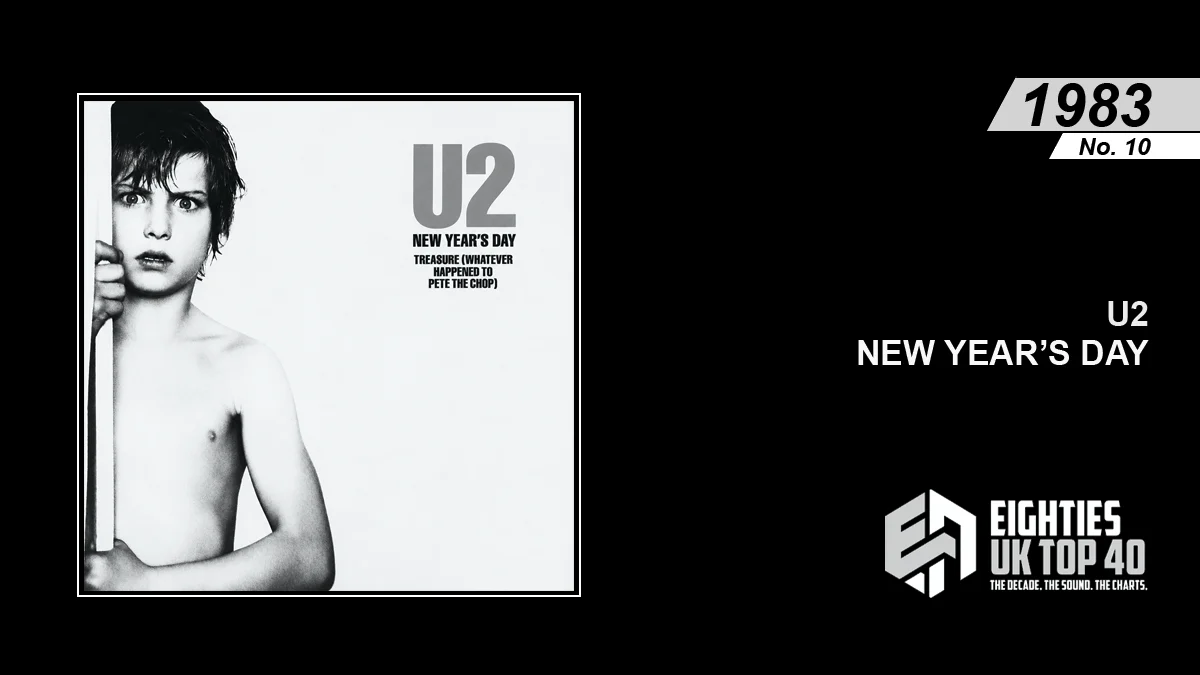
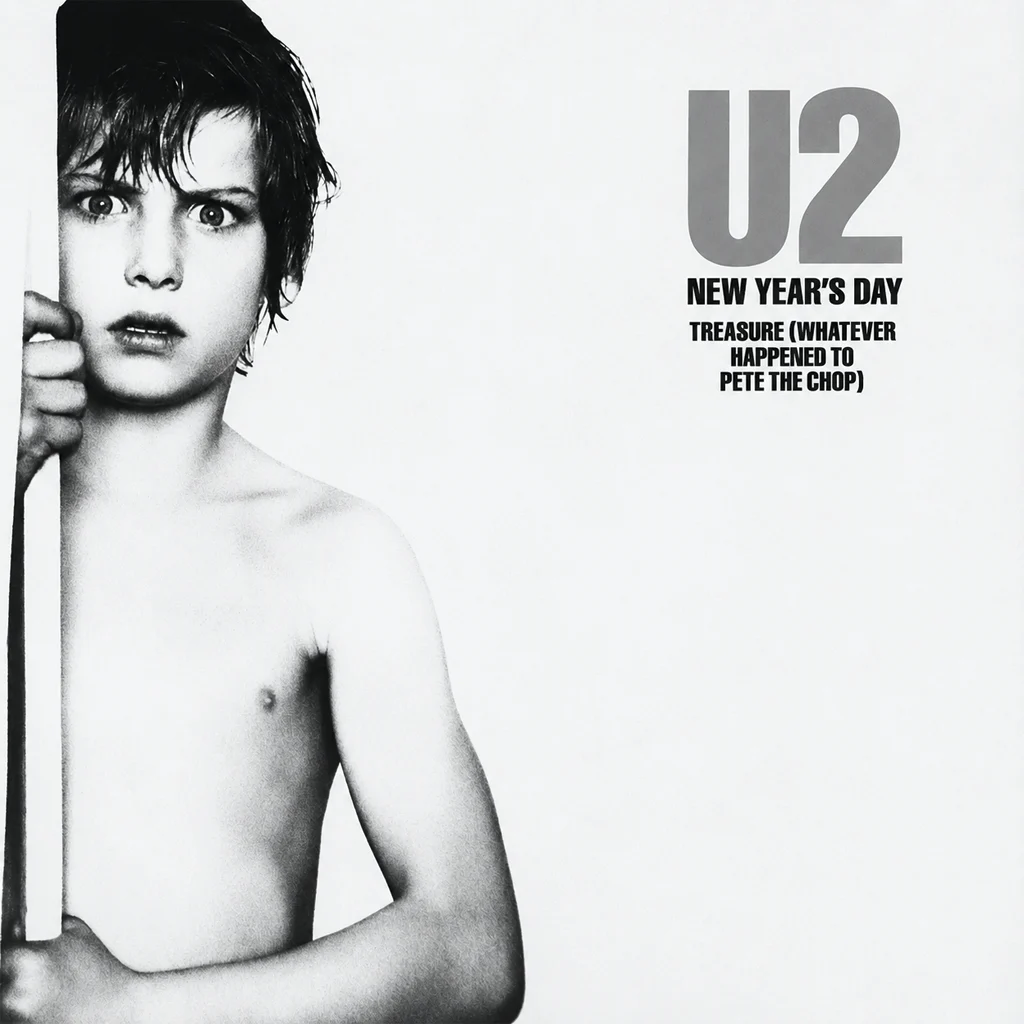
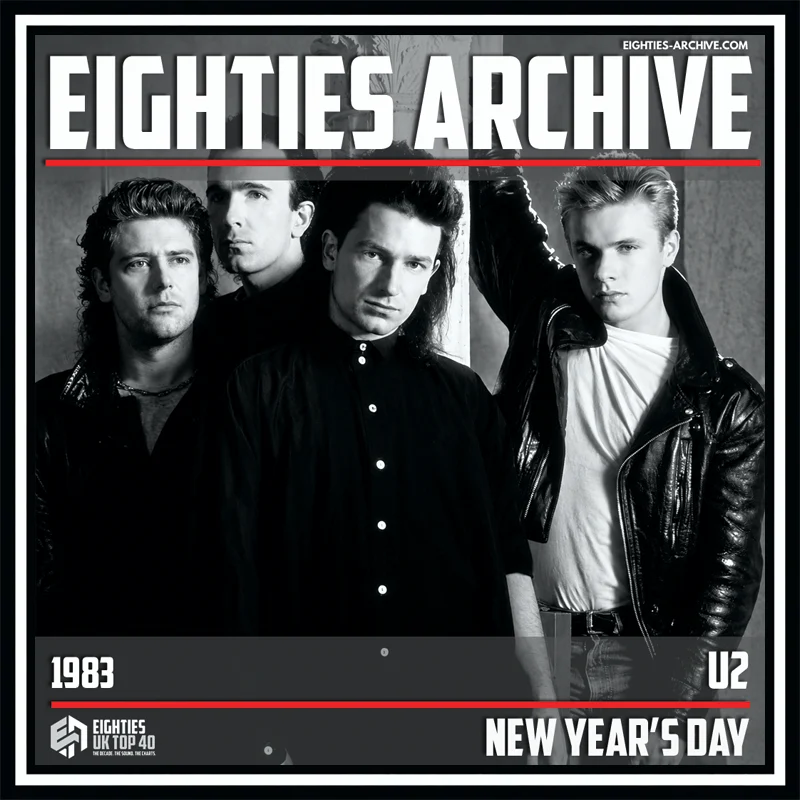
U2’s “New Year’s Day” stands as one of the most transformative tracks in rock history, serving as the bridge that elevated a passionate post-punk band from Dublin into a globally significant musical force. Released in January 1983 as the lead single from their third studio album, War, the song represents a masterful convergence of political urgency, personal longing, and musical innovation. At a time when the early 1980s pop landscape was dominated by glossy, escapist synth-pop, U2 delivered a track that was raw, atmospheric, and deeply grounded in the turbulent realities of the world around them.
The origin of the song is a testament to the band’s collaborative chemistry and their ability to repurpose happy accidents into art. The track began with an iconic, brooding bassline developed by Adam Clayton during a soundcheck, which quickly became the anchor of the composition. Edge then layered a melancholic, repeating piano motif over the top, an instrument he was just beginning to explore in the context of the band’s sonic identity. Combined with Larry Mullen Jr.’s sharp, military-esque drumming and Edge’s searing, echo-laden guitar solo, the musical arrangement created a sense of forward momentum that felt both triumphant and tragic. It was a stark departure from the minimalist punk of their debut album, Boy, showcasing a newfound sophisticated texture.
Lyrically, the song underwent a radical transformation that mirrored the band’s growing social consciousness. Bono initially wrote the track as a straight love song dedicated to his new wife, Ali Hewson. However, as the band recorded, the political upheaval in Poland caught Bono’s attention, specifically the rise of the Solidarity trade union movement led by Lech Wałęsa. The Polish government had imposed martial law in an attempt to crush the movement, restricting freedom and imprisoning its leaders. Moved by the image of the Polish dissidents protesting in the freezing snow, Bono rewrote the lyrics to juxtapose the intimate devotion of a love song with the sweeping struggle for human rights.
This duality is what gives “New Year’s Day” its enduring emotional resonance. The opening lines immediately establish a bleak yet hopeful landscape where “all is quiet on New Year’s Day” but “a world in white gets underway.” The recurring refrain, “I will be with you again,” functions simultaneously on two levels. It is the vow of a lover separated by distance, and it is the promise of solidarity to a repressed nation fighting for its freedom. By refusing to separate the personal from the political, U2 tapped into a universal truth about the human condition: that love and connection are the very things worth fighting for in times of oppression.
The song’s impact was amplified by its striking music video, which became a staple of early MTV. Filmed in the freezing landscapes of Sälen, Sweden, the visuals featured the band riding horses through deep snow and performing under a bleak, overcast sky. The stark imagery perfectly matched the chilly, European atmosphere of the music, cementing U2’s image as earnest, serious artists who stood in sharp contrast to the glamorous, heavily stylized acts of the era. The video helped break the band into the mainstream American market, proving that political rock could be visually compelling and commercially viable.
“New Year’s Day” became U2’s first UK top-ten hit and their first single to chart on the Billboard Hot 100 in the United States. More importantly, it redefined what a U2 song could be. It proved that rock music could handle weighty, journalistic themes without losing its pop sensibility or its ability to move a stadium crowd. The track established the sonic blueprint that would define their career: massive, atmospheric soundscapes coupled with anthemic, stadium-ready choruses.
Decades after its release, the track remains a cornerstone of U2’s live performances and a highlight of their catalogue. Its meaning has continued to evolve, transitioning from a specific commentary on Cold War-era Europe to a timeless anthem of hope and renewal. Every time the piano intro begins, it carries a universal reminder that despite the conflicts and winters of the world, a new beginning is always possible. The song endures not just as a piece of 1980s nostalgia, but as a living testament to the power of music to witness history, challenge systems, and offer solace to the human spirit.
The song peaked at No. 10 in the UK singles chart on 5th February 1983.