

The year 1987 was a curious inflection point for pop music, a moment where the neon-soaked hedonism of the early eighties began to curdle into something more cynical, more sophisticated, and infinitely more interesting. At the center of this transition stood Neil Tennant and Chris Lowe, two men who looked more like weary accountants or architectural students than global pop icons. With their second studio album, Actually, the Pet Shop Boys didn’t just avoid the sophomore slump; they perfected a blueprint for the “intellectual dance record” that arguably hasn’t been topped since. To listen to Actually today is to take a guided tour through the psyche of Thatcher’s Britain, wrapped in some of the most expensive-sounding synthesizers ever committed to tape.
The brilliance of the album lies in its inherent contradictions. It is a record that is deeply obsessed with money—getting it, losing it, and the hollow feeling of having too much of it—yet it sounds like a million dollars. From the opening digital fanfare of “One More Chance,” there is a sense of urgent, urban movement. This isn’t the sunny, escapist synth-pop of their contemporaries; this is music for the night bus, for the strobe-lit basement club where the air is thick with smoke and desperation. Tennant’s vocal delivery, famously deadpan and conversational, acts as the perfect foil to Lowe’s lush, often aggressive electronic arrangements. He doesn’t sing at you; he confides in you, often sharing secrets that are unflattering or darkly comedic.
“It’s A Sin,” the album’s lead single and perhaps its most enduring anthem, serves as the emotional tentpole of the record. It is a towering piece of Hi-NRG melodrama that manages to turn a rigid Catholic upbringing into a stadium-sized floor-filler. The thunderclaps, the dramatic orchestral stabs, and the Latin invocations create a sense of scale that felt revolutionary at the time. Yet, right next to this grandiosity sits “What Have I Done To Deserve This?”, a collaboration with the legendary Dusty Springfield. It is a masterclass in pop songwriting, a bittersweet dialogue between two generations of British pop royalty. The way Springfield’s soulful, weary rasp intertwines with Tennant’s cool detachment creates a friction that is nothing short of magical. It anchored the album in a sense of musical history while keeping its feet firmly in the digital present.
As the album progresses, the social commentary becomes even more pointed. “Shopping” is perhaps the most literal interpretation of the era’s consumerist fever dream, but underneath its bouncy, infectious hook lies a biting critique of the privatization of the UK and the transactional nature of human relationships. The Pet Shop Boys understood better than anyone that you could hide a radical message inside a catchy chorus. They weren’t just making music for people to dance to; they were making music for people to think to while they danced. This culminates in “Rent,” a track that remains one of the most misunderstood and haunting songs in their catalog. Is it a song about a kept lover, or a metaphor for the way we all sell pieces of ourselves to survive? The ambiguity is the point. The lyrics “I love you, you pay my rent” are delivered with such a lack of irony that they become devastating.
Technically, Actually represents a peak in the Fairlight CMI era of production. Every snare hit, every sequenced bassline, and every sampled texture feels deliberate and polished to a high sheen. The production team, including legends like Julian Mendelsohn and Stephen Hague, helped create a soundscape that felt cinematic. Songs like “King’s Cross” close the album on a somber, almost elegiac note. The track uses the titular railway station as a symbol for a crumbling society, filled with people waiting for opportunities that may never arrive. It is a stark contrast to the upbeat energy of the album’s start, proving that Tennant and Lowe were capable of profound melancholy.
Looking back, Actually feels like the definitive statement of the Pet Shop Boys’ identity. It established them not as a flash-in-the-pan duo, but as serious artists who happened to use the language of the Top 40. They embraced the artifice of pop music—the costumes, the choreographed boredom, the music videos—to tell truths that were often too uncomfortable for more “authentic” rock bands to touch. It is an album that captures the glitz and the grime of the late eighties with surgical precision. It remains a essential listen because it refuses to provide easy answers. Instead, it offers a shimmering, rhythmic reflection of a world that is as beautiful as it is broken, reminding us that even in our most cynical moments, there is always room for a perfect melody. It isn’t just a pop album; it is a document of a time, a place, and a feeling that still resonates forty years later.
The album peaked at No. 02 in the UK album charts on 19th September 1987.
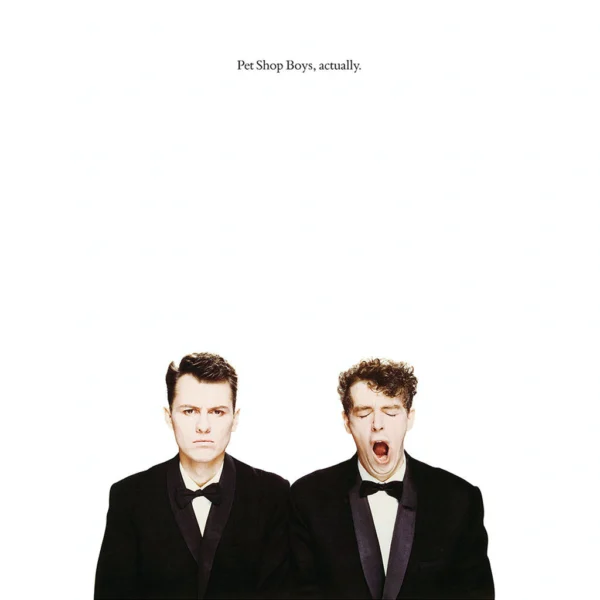
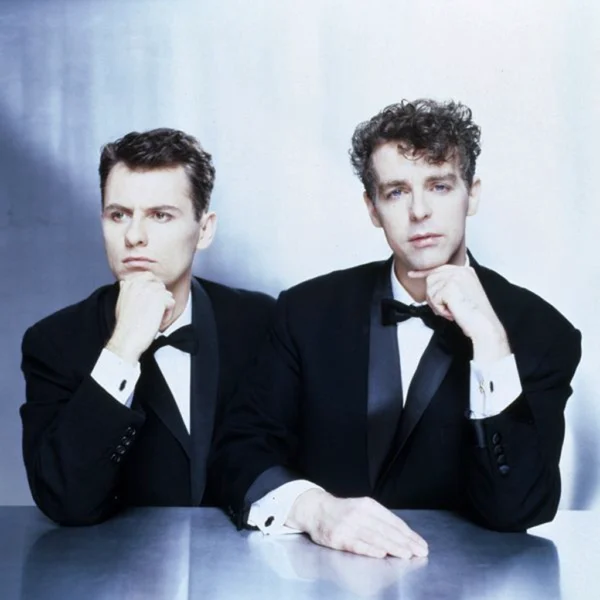
Pet Shop Boys
Actually
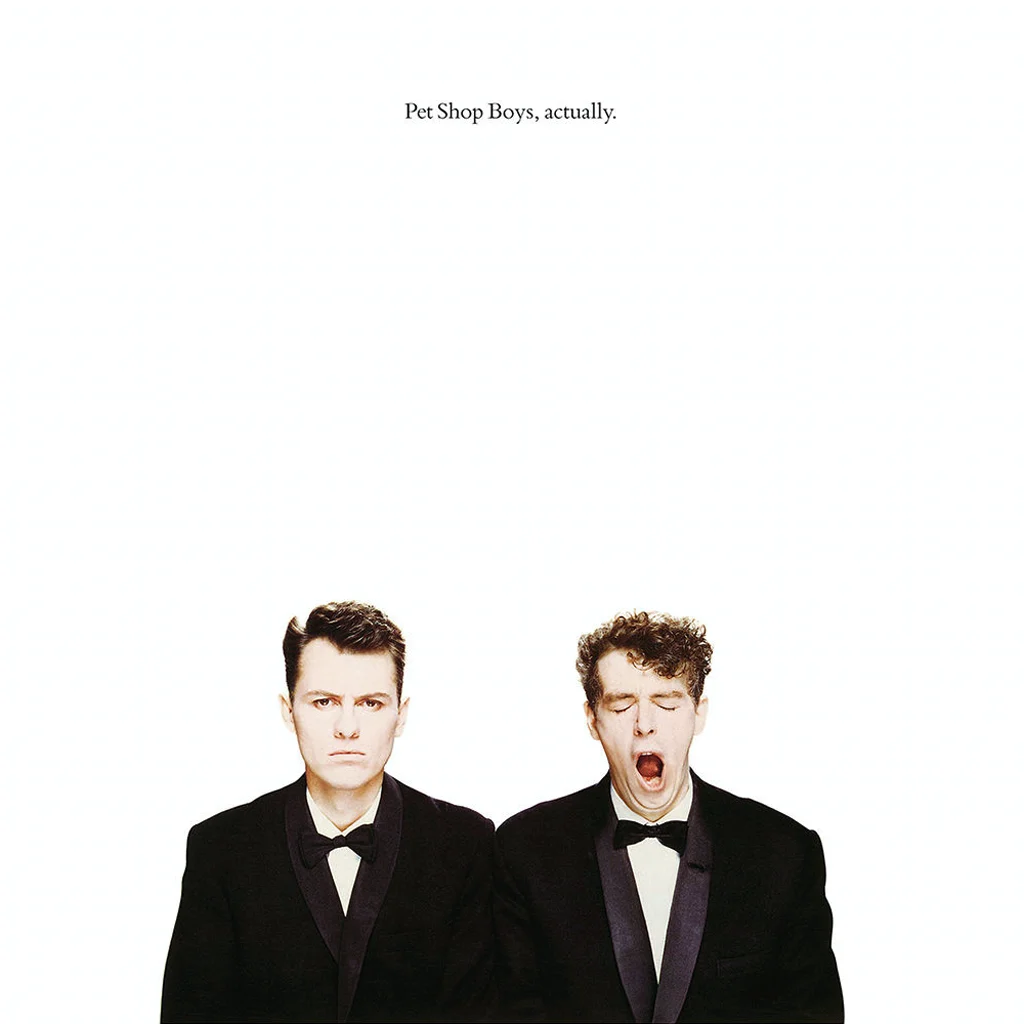
Release Date
7th September 1987
Highest Chart Position
No. 02 (19th September 1987)
Genre
Electronic, SynthPop, Disco
Tracklisting
One More Chance
What Have I Done To Deserve This?
Shopping
Rent
Hit Music
It Couldn’t Happen Here
It’s A Sin
I Want To Wake Up
Heart
King’s Cross
Singles Released From Album
It’s A Sin
15th June 1987 (No. 01)
What Have I Done To Deserve This?
10th August 1987 (No. 02)
Rent
12th October 1987 (No. 08)
Heart
21st March 1988 (No. 01)
You can listen to the album below on Spotify. If you have a paid Spotify account, log in, to listen to all tracks (complete). If you do not have a paid Spotify account, you can only listen to a 30-second sample of each track.