

Released in November 1986, Disco was a pioneering move for the Pet Shop Boys, solidifying their reputation as artists who took the culture of the dancefloor as seriously as the art of the pop song. At the time, the concept of a “remix album” was still relatively nascent in the mainstream, often dismissed as a contractual filler or a cash-in for hardcore fans. However, Neil Tennant and Chris Lowe viewed the 12-inch remix not as an afterthought, but as the ultimate expression of their musical philosophy.
By gathering extended versions of tracks from their debut album Please and several associated B-sides, they created a continuous, cohesive listening experience that mirrored a club set, effectively bridging the gap between the British pop charts and the underground clubs of New York, Chicago, and London.
The album arrived at a fever pitch in the band’s career, following the massive global success of “West End Girls.” While Please had established them as masters of the three-minute synthetic vignette, Disco allowed the songs to breathe, stretch, and mutate. It was a bold statement that pop music could be intellectual and rhythmic simultaneously. The duo understood that the “remix” was a tool for storytelling; by deconstructing and rebuilding their tracks, they could highlight different emotional shades—turning a melancholy lyric into a triumphant anthem or a simple hook into a hypnotic, industrial loop.
The record opens with the Shep Pettibone remix of “In the Night,” a track that originally appeared as the B-side to “Opportunities (Let’s Make Lots of Money).” Pettibone, a legendary figure in the New York club scene, brought a tough, percussive edge to the song. His “Arthur Baker-esque” production style emphasized the song’s tension, turning a track about the Zoot Suit Riots into a cinematic, high-energy floor-filler. It set the tone for the album: this was not just a collection of songs, but a curated exploration of texture and timing.
Following this, the album features the iconic “Suburbia” in its “Full Horror” mix. This version is a masterclass in atmospheric pop, utilizing samples of barking dogs, riotous street noises, and glass breaking to amplify the song’s themes of suburban boredom and simmering violence. By extending the track to nearly nine minutes, the Pet Shop Boys allowed the listener to inhabit the world they had created. The brassy fanfares and the driving LinnDrum beat became more than just accompaniment; they became the architecture of a social commentary that felt both grand and intimate.
One of the standout moments on Disco is the “Paninaro” remix. Originally a B-side that celebrated Italian youth culture and high-fashion obsession, the remix on this album became a definitive version for many fans. With Chris Lowe’s rare lead vocal delivery—consisting of a dry, repetitive list of his likes and dislikes—the song became a cult anthem of deadpan cool. It epitomized the duo’s “cool, detached” aesthetic while providing a rhythmic urgency that made it impossible to ignore in a club environment. It was followed by the “Love Comes Quickly” Shep Pettibone Mastermix, which stripped back the lushness of the original to reveal a skeletal, dub-influenced groove that highlighted the longing in Tennant’s vocal performance.
The album also included the Julian Mendelssohn remix of “Opportunities (Let’s Make Lots of Money),” a track that leaned into the duo’s satirical take on Thatcher-era materialism. By lengthening the instrumental breaks and playing with the vocal samples, the remix emphasized the absurdity and the infectiousness of the song’s “get rich quick” mantra. The collection closed with the “West End Girls” remix by Shep Pettibone, perhaps the most anticipated track on the record. As their signature hit, the song already carried a heavy legacy, but the Disco version added layers of New York street energy, making it feel fresh and dangerous once again.
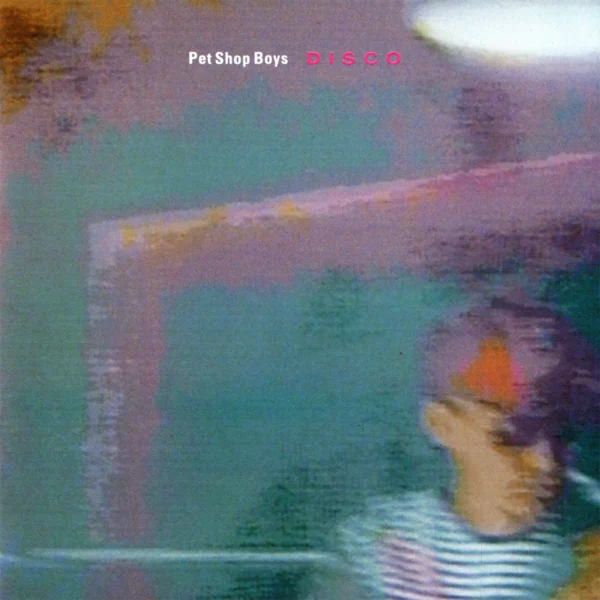
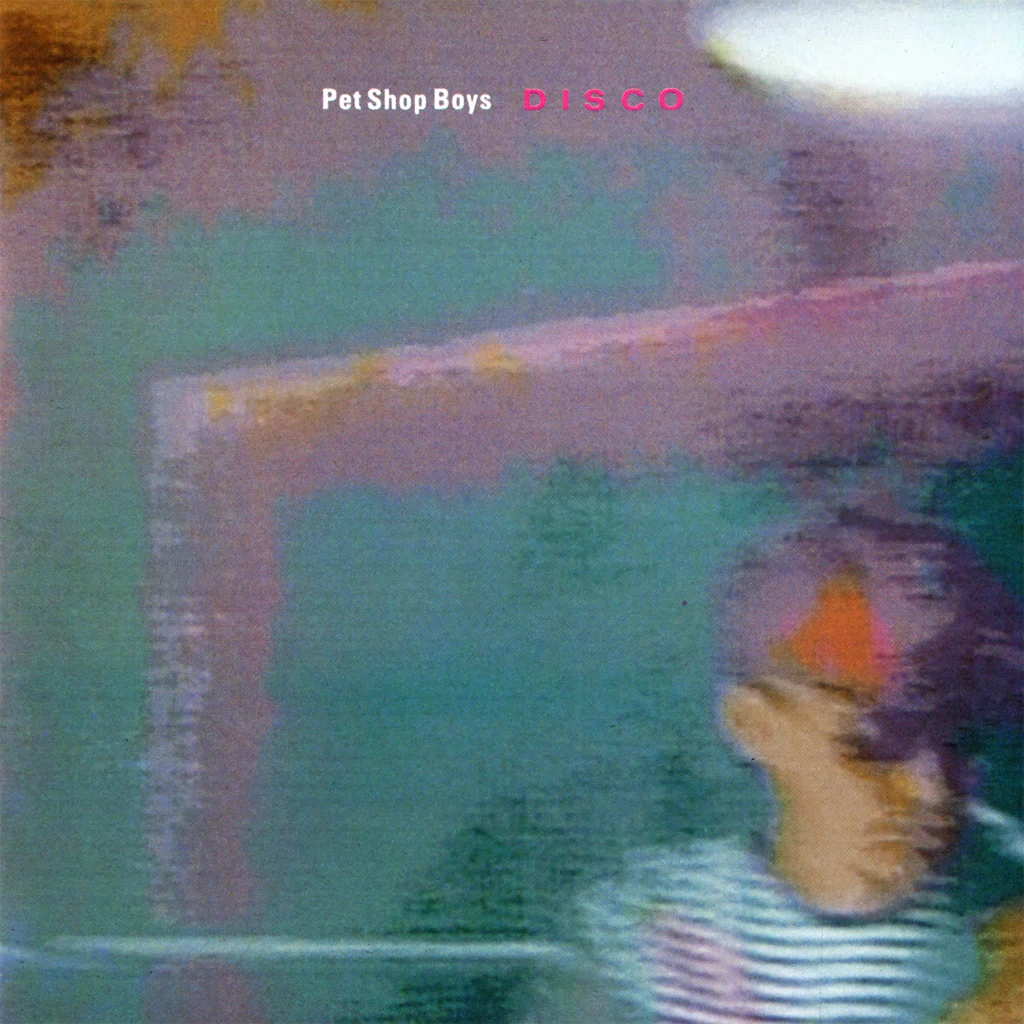
Disco was more than just a companion piece to their debut; it was an educational tool for a pop audience that might not have been familiar with the nuances of club culture. It championed the role of the producer and the remixer as creative equals to the songwriter. The stark, minimalist cover art—featuring a simple, high-contrast photograph of the duo—became as iconic as the music itself, signaling a shift toward the “designer pop” era where every aesthetic choice was deliberate and meaningful.
Decades later, Disco stands as the first entry in a series of remix albums that the Pet Shop Boys would continue throughout their career, but it remains the most vital. It captured a moment when electronic music was moving from the fringes into the center of the cultural conversation. It proved that dance music didn’t have to be mindless, and that pop music didn’t have to be brief. By embracing the long-form format, Tennant and Lowe gave their fans a map of their influences, from the synth-pop of Europe to the soul and house of America, all while maintaining a uniquely British sense of irony and heart.
Pet Shop Boys
Disco
Release Date
17th November 1986
Highest Chart Position
No. 15 (29th November 1986)
Genre
Electronic, SynthPop, Disco, Dance
Tracklisting
In The Night
Suburbia
Opportunities (Let’s Make Lots Of..)
Paninaro
Love Comes Quickly
West End Girls
Singles Released From Album
This was a remix album. All of the material on this album was released previous singles.
You can listen to the album below on Spotify. If you have a paid Spotify account, log in, to listen to all tracks (complete). If you do not have a paid Spotify account, you can only listen to a 30-second sample of each track.