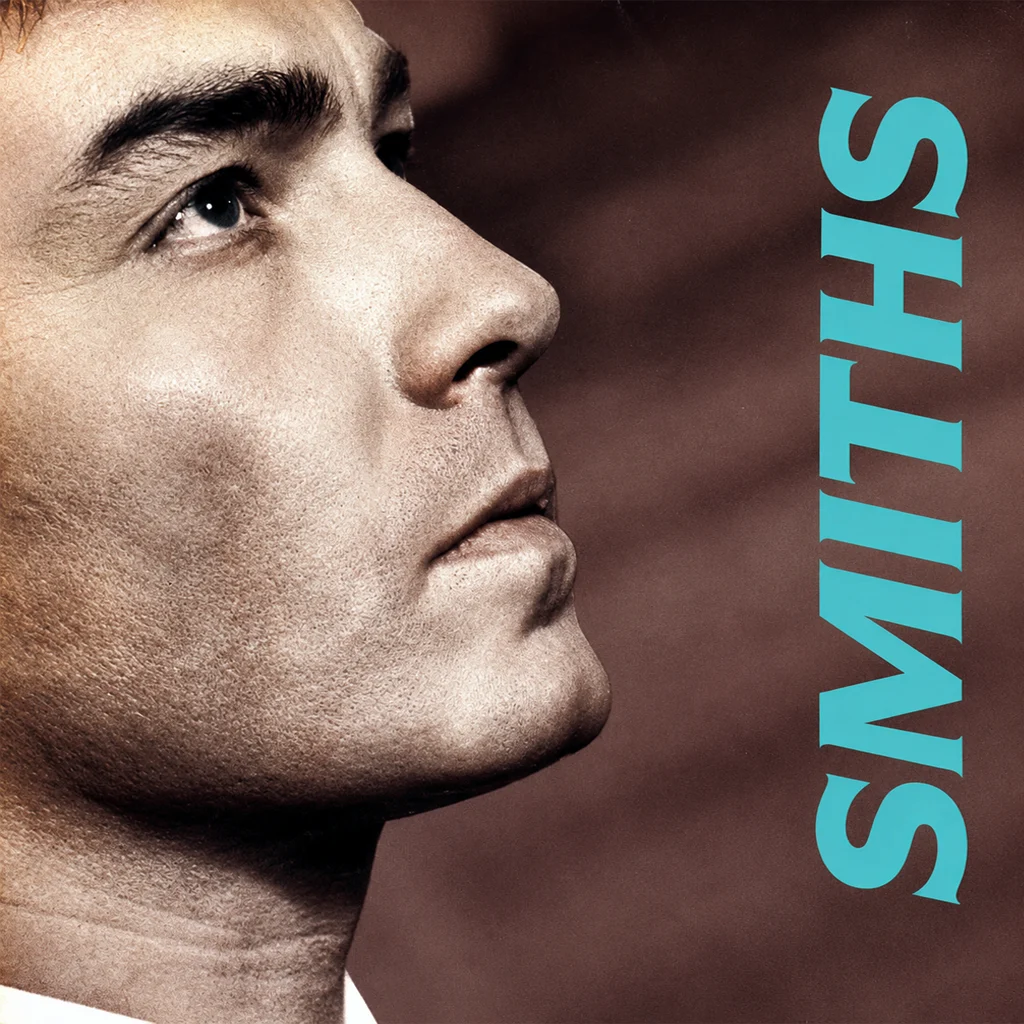
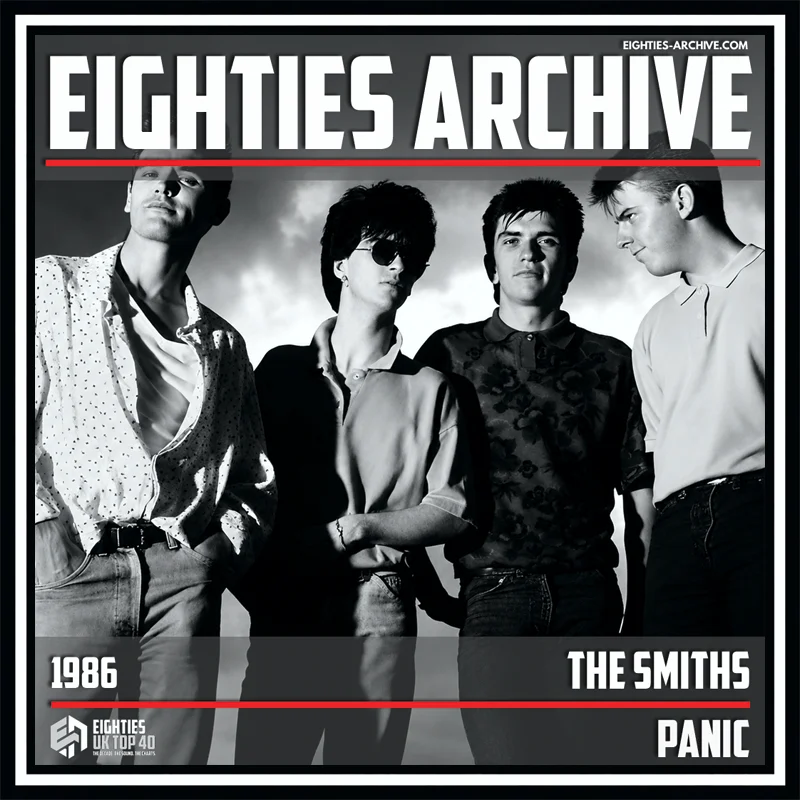
In the summer of 1986, the British alternative music scene was irrevocably shaken by the release of “Panic,” a bracing, confrontational single by Manchester’s definitive indie icons, The Smiths. Coming hot on the heels of their seminal album The Queen Is Dead, the song served as a sharp, uptempo declaration of cultural war. Clocking in at just over two minutes, it remains one of the most potent, debated, and exhilarating tracks in the band’s catalog. It captured a specific moment of national frustration while distilling the unique, symbiotic chemistry between lyricist Morrissey and guitarist Johnny Marr into a concentrated burst of musical rebellion.
The genesis of “Panic” is famously rooted in a real-world moment of profound annoyance. As the story goes, Morrissey and Marr were listening to BBC Radio 1 when a news report broadcasted the horrific details of the Chernobyl nuclear disaster. Immediately following this grim bulletin, the disc jockey played the upbeat, fluffy pop song “I’m Your Man” by Wham! The jarring transition, showcasing a complete detachment from reality and human emotion, incensed the duo. For Morrissey, it was the ultimate proof that mainstream daytime radio was actively insulting the intelligence of the British youth, offering mindless escapism instead of addressing the bleak socio-political reality of Thatcherite Britain.
Musically, Johnny Marr constructed a brilliant ironic counterpoint to Morrissey’s dark, revolutionary lyrics. The track borrows its driving, urgent rhythm from T. Rex’s glam-rock classic “Metal Guru,” using a relentless acoustic strum and a bouncing bassline to create a sense of manic energy. It sounds deceptively joyous, a bright and catchy indie-pop anthem that practically invites the listener to dance. Marr’s guitar work is crisp and economic, driving the song forward with a frantic, chiming momentum that perfectly mirrors the title’s sense of emergency. By wrapping a radical protest message in such an infectious musical package, The Smiths pulled off a classic pop subversion, smuggling a call for chaos onto the very airwaves they were targeting.
Morrissey’s lyrics waste no time establishing the song’s apocalyptic, yet oddly celebratory, mood. He paints a vivid picture of a nation gripped by chaos, moving from the capital out to the provinces. The opening lines mention panic on the streets of London, Birmingham, Carlisle, and Dublin, effectively mapping out a geography of collective despair across the British Isles. The provincial towns are described as places where one can safely find oneself, yet they are burning with resentment. Morrissey positions himself as the provincial outsider, looking at the metropolitan media machine with utter disdain. The song rises to its unforgettable, incendiary climax with the hypnotic repetition of the chant to hang the DJ, because the music they constantly play says nothing to the singer about his life.
This provocative refrain transformed the song from a simple critique of media into a lightning rod for controversy. Some critics misconstrued the lyrics as a literal incitement to violence or interpreted the attack on pop music as a thinly veiled critique of emerging black music genres, a charge the band vehemently denied. In reality, the song was a metaphor for cultural stagnation. The “DJ” was a symbol for a complacent, out-of-touch media establishment that filtered out authentic, working-class artistic voices in favour of manufactured, sanitized pop. The demand to burn down the disco was not a literal act of arson, but a call to dismantle an oppressive cultural hegemony that left lonely, alienated teenagers feeling entirely unrepresented.
The brilliance of “Panic” is further elevated by its studio production, particularly the addition of a children’s choir from the Greater Manchester area in the final section. The inclusion of these young voices singing the line “hang the DJ” alongside Morrissey is a stroke of dark comedic genius. It subverts the traditional, wholesome association of a children’s chorus, turning them into a revolutionary mob. This sonic choice emphasizes the idea that the younger generation is the one being failed most profoundly by the cultural gatekeepers, reclaiming their agency through a shared, subversive anthem.
Four decades later, “Panic” stands as a monumental achievement in the history of alternative rock. It is a song that perfectly defines the mission statement of The Smiths: to provide a voice for the disenfranchised, the sensitive, and the bored, using the medium of the guitar pop song as a weapon of resistance. It remains a staple of alternative club nights worldwide, where crowds still gleefully shout along to its controversial chorus. By confronting the triviality of the pop charts with their own brand of vital, dangerous pop, The Smiths ensured that “Panic” would outlive the very institutions it sought to destroy.
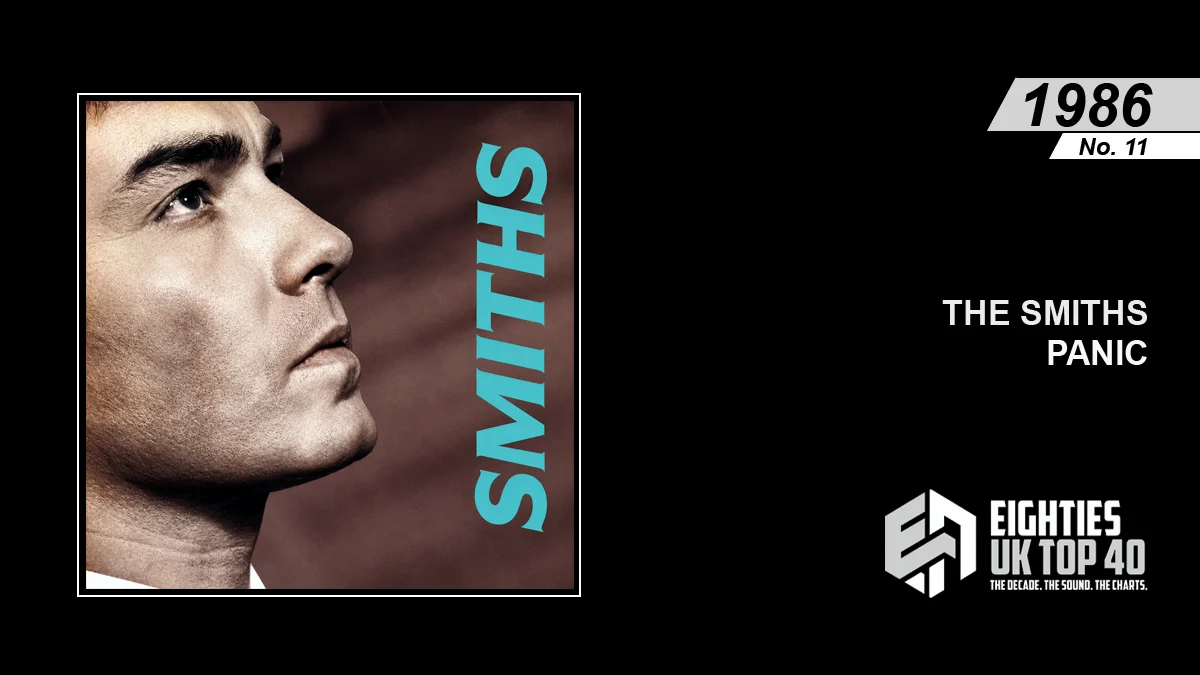
The song peaked at No. 11 in the UK singles chart on the 9th August 1986.
Lyrics
Panic on the streets of London
Panic on the streets of Birmingham
I wonder to myself
Could life ever be sane again?
The Leeds side streets that you slip down
I wonder to myself
Hopes may rise on the Grasmere
But, honey pie, you’re not safe here
So you run down to the safety of the town
But there’s panic on the streets of Carlisle
Dublin, Dundee, Humberside
I wonder to myself
Burn down the disco
Hang the blessed DJ
Because the music that they constantly play
It says nothing to me about my life
Hang the blessed DJ
Because the music they constantly play
On the Leeds side-streets that you slip down
Provincial towns you jog ’round
Hang the DJ, hang the DJ, hang the DJ
Hang the DJ, hang the DJ
Hang the DJ, hang the DJ, hang the DJ
Hang the DJ, hang the DJ
Hang the DJ, hang the DJ, hang the DJ
Hang the DJ, hang the DJ
Hang the DJ, hang the DJ, hang the DJ
Hang the DJ, hang the DJ
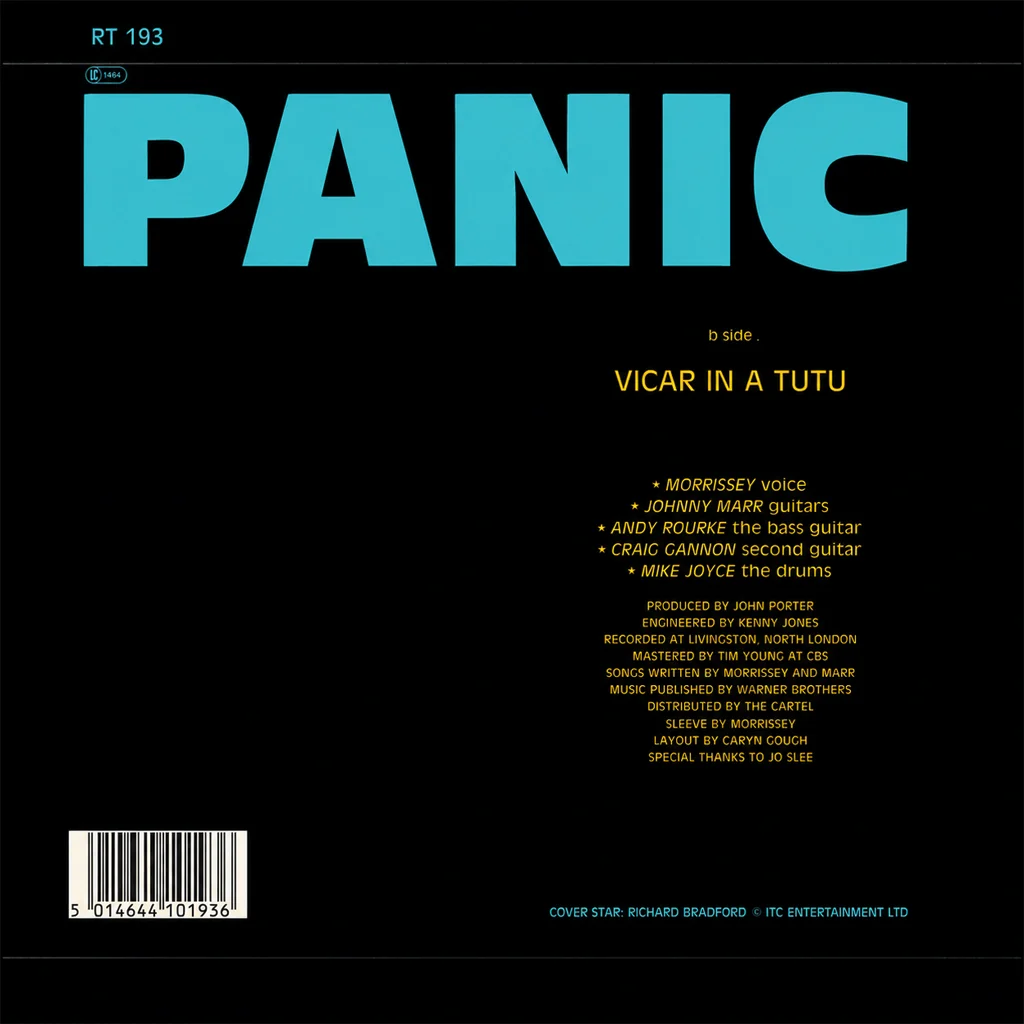
Written By Morrissey, Marr