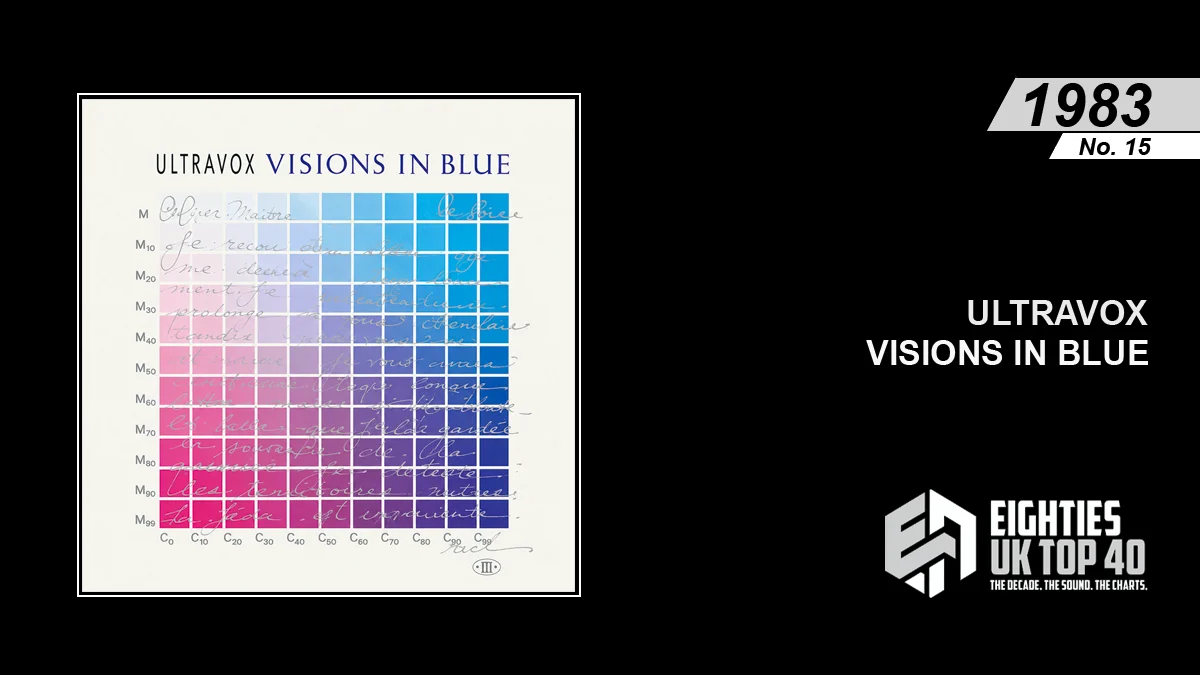
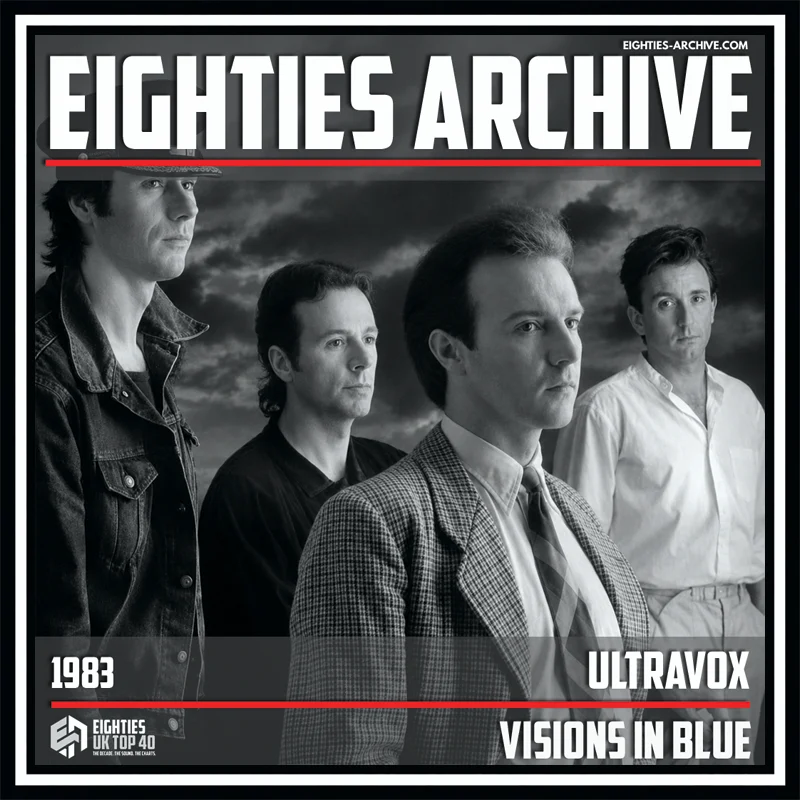
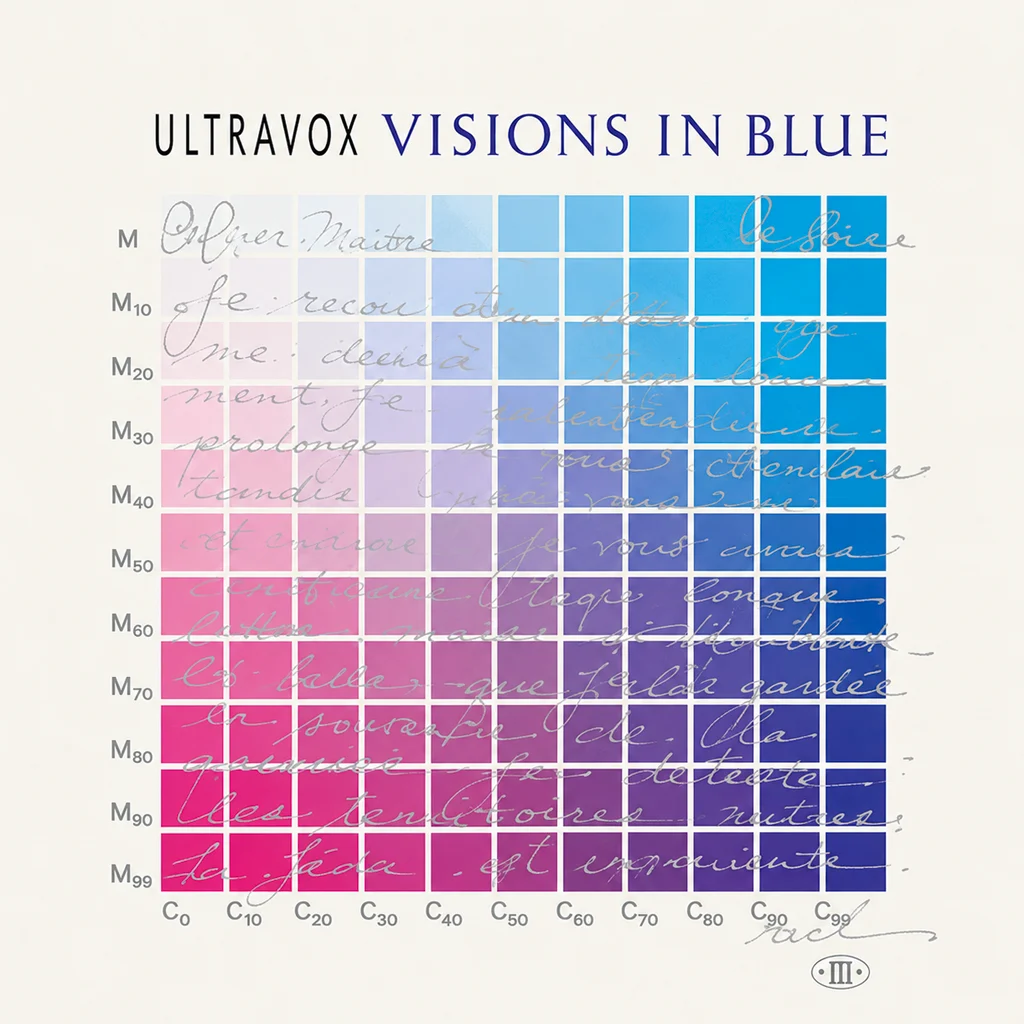
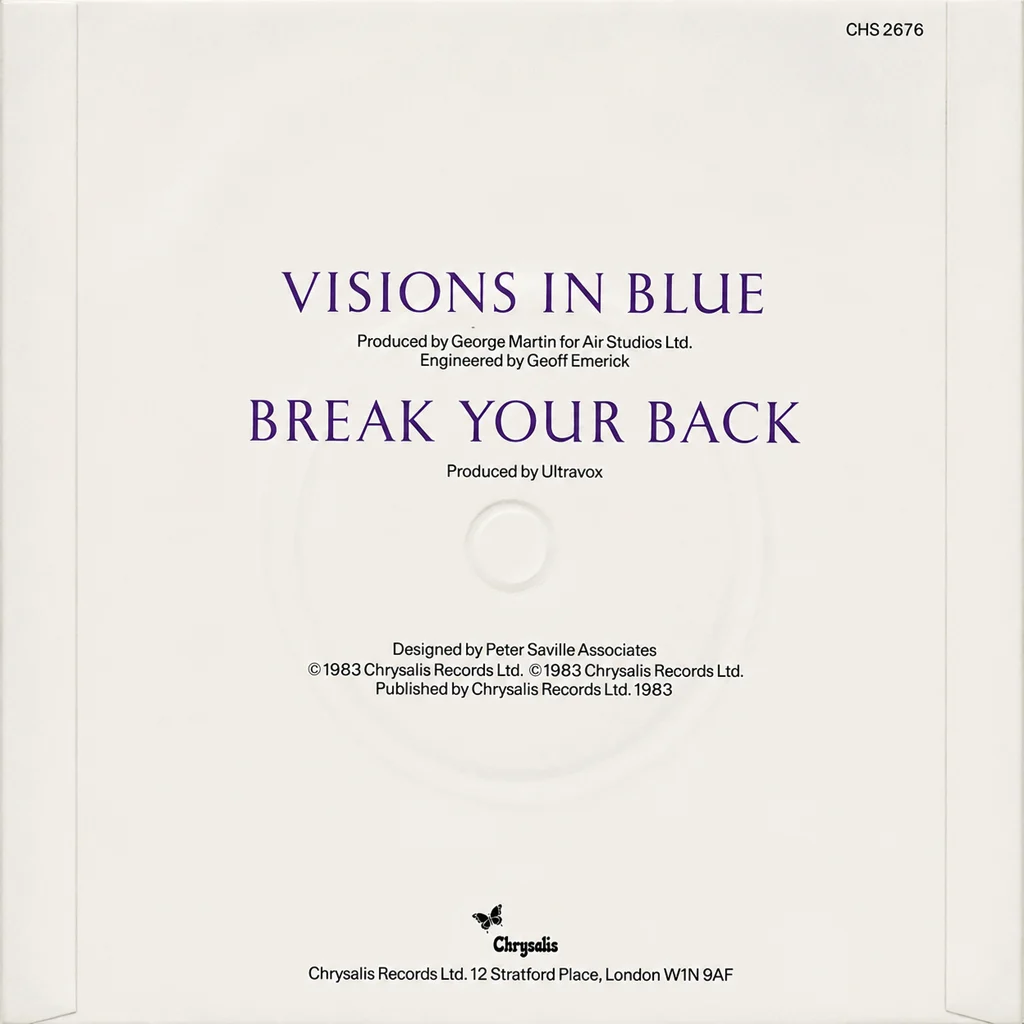
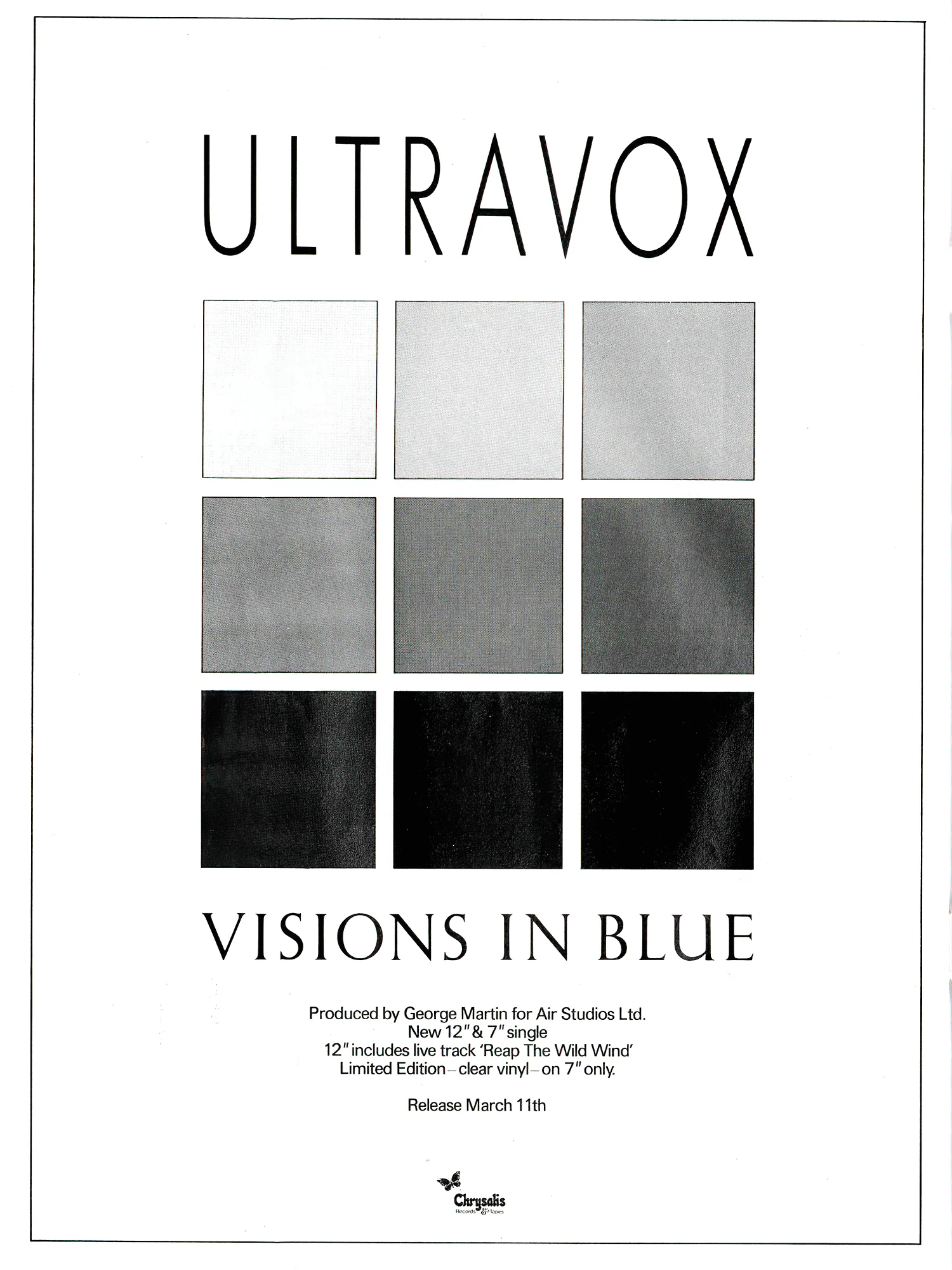
In the expansive catalog of the pioneering British new wave band Ultravox, few tracks capture the somber elegance and cinematic grandeur of the early 1980s quite like “Visions in Blue.” Released in March 1983 as the fourth and final single from their highly acclaimed album Quartet, the song stands as a masterclass in melancholy synth-pop. While it did not match the stratospheric chart heights of its predecessor “Vienna,” it represents the absolute pinnacle of the band’s creative partnership with legendary Beatles producer George Martin. The track is a haunting, deeply atmospheric exploration of memory, loss, and the bittersweet nature of nostalgia, delivered with a meticulous sonic precision that remains breathtaking.
The song opens with an instantly evocative instrumental prelude that sets a stark, theatrical mood. A solitary, repeating piano motif emerges from a wash of ambient synthesizer textures, sounding distant and fragile, like a memory echoing through an empty room. This delicate arrangement is soon shattered by a sudden, heavy electronic drum beat and a pulsing, industrial synth-bassline that gives the track a deliberate, marching tempo. This contrast between classical acoustic elegance and cold, mechanical futurism was a hallmark of Ultravox’s signature sound. Under George Martin’s sophisticated guidance, these disparate elements were blended seamlessly, creating an expansive, three-dimensional soundscape that felt more like a film score than a standard pop single.
Midge Ure’s vocal performance on “Visions in Blue” is arguably one of the finest of his career, characterized by an operatic intensity and a profound sense of emotional restraint. When he sings the opening verses, his voice is hushed and intimate, drawing the listener into a private world of fragmented recollections. As the song progresses toward its soaring chorus, Ure unleashes the full power of his dramatic tenor, his voice cracking with a raw, palpable anguish. He does not merely sing the words; he embodies the weight of the memories they describe. His performance is perfectly complemented by Billy Currie’s sweeping violin flourishes and soaring keyboard leads, which weave through the vocal lines like a second voice, amplifying the track’s inherent tragedy.
Lyrically, the song is a poetic, non-linear meditation on the fleeting nature of time and the ghosts of past relationships. The “visions in blue” of the title serve as a metaphor for the faded, tint-typed memories that remain long after a romance or an era has ended. The lyrics paint vivid, impressionistic pictures of cold rooms, silent photographs, and half-remembered conversations in the dark. There is a distinct sense of voyeurism and isolation running through the poetry, a feeling of looking back at one’s own life through a distorted lens. By focusing on the color blue, the band invokes a universal symbol for sadness and detachment, capturing the specific ache of realizing that the past is entirely unrecoverable.
The production of the track highlights the band’s exceptional musicianship, proving they were far more than just synthesizer programmers. Chris Cross provides a rock-solid, hypnotic foundation on the bass, while Warren Cann’s drumming combines rigid electronic programming with expressive acoustic fills that drive the song’s emotional crescendos. The arrangement is carefully layered, allowing each instrument room to breathe within the mix. George Martin’s influence is felt most keenly in this pristine clarity; he stripped away the dense, overlapping walls of sound that characterized much of the era’s synth-pop, opting instead for a clean, dramatic structure where every note carries emotional weight.
The legacy of “Visions in Blue” is also tied to its striking and controversial music video, directed by the band themselves alongside atmospheric filmmaker Biba Kopf. Shot in a heavily stylized, expressionistic manner, the video utilized dark shadows, religious iconography, and brief, artistic glimpses of nudity to mirror the song’s themes of intimacy and loss. Because of these avant-garde visuals, the video fell foul of BBC censors and was promptly banned from broadcast on Top of the Pops, while being heavily edited for other television programs. This censorship arguably stalled the single’s chart momentum, causing it to peak outside the UK top ten, yet it cemented the track’s reputation among fans as a daring, uncompromising piece of art.
More than four decades after its release, “Visions in Blue” remains a towering testament to Ultravox’s artistic ambition. It stands as a definitive example of how the new wave movement could elevate electronic music into something deeply moving, sophisticated, and enduring. It avoided the ephemeral traps of 1980s pop by anchoring its futuristic technology to timeless classical structures and genuine human emotion. For anyone seeking to understand the depth and artistic capability of the synth-pop era, this track remains an essential, hauntingly beautiful destination.
The song peaked at No. 15 in the UK charts on 26th March 1983.