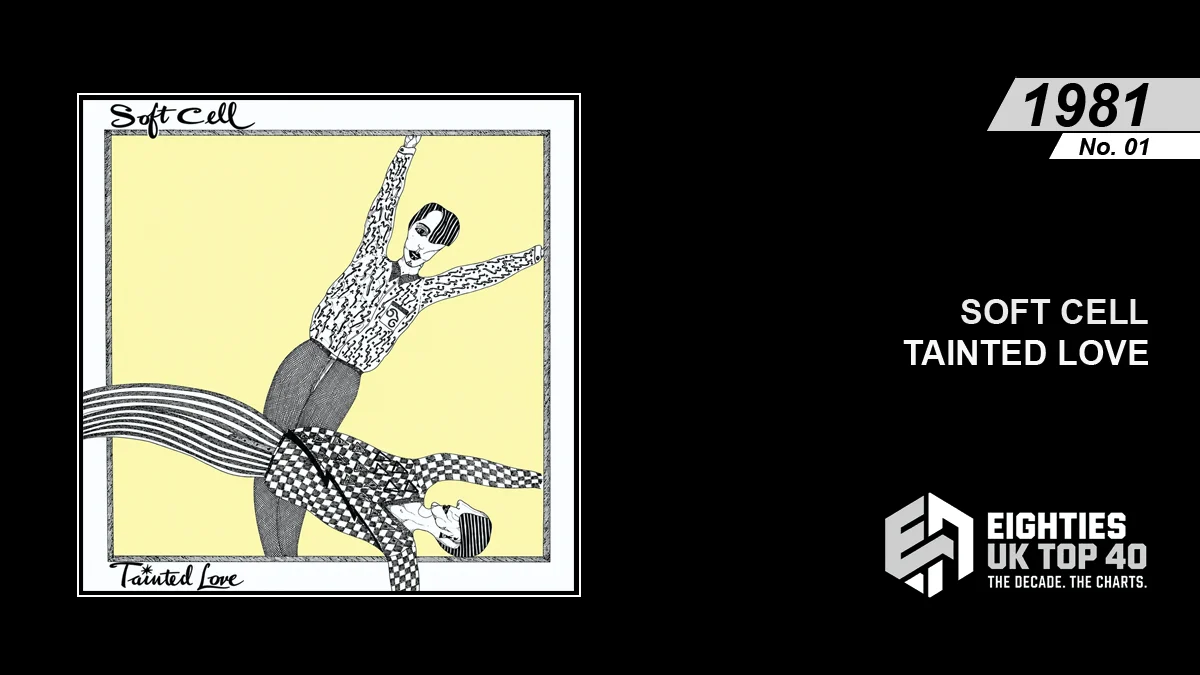
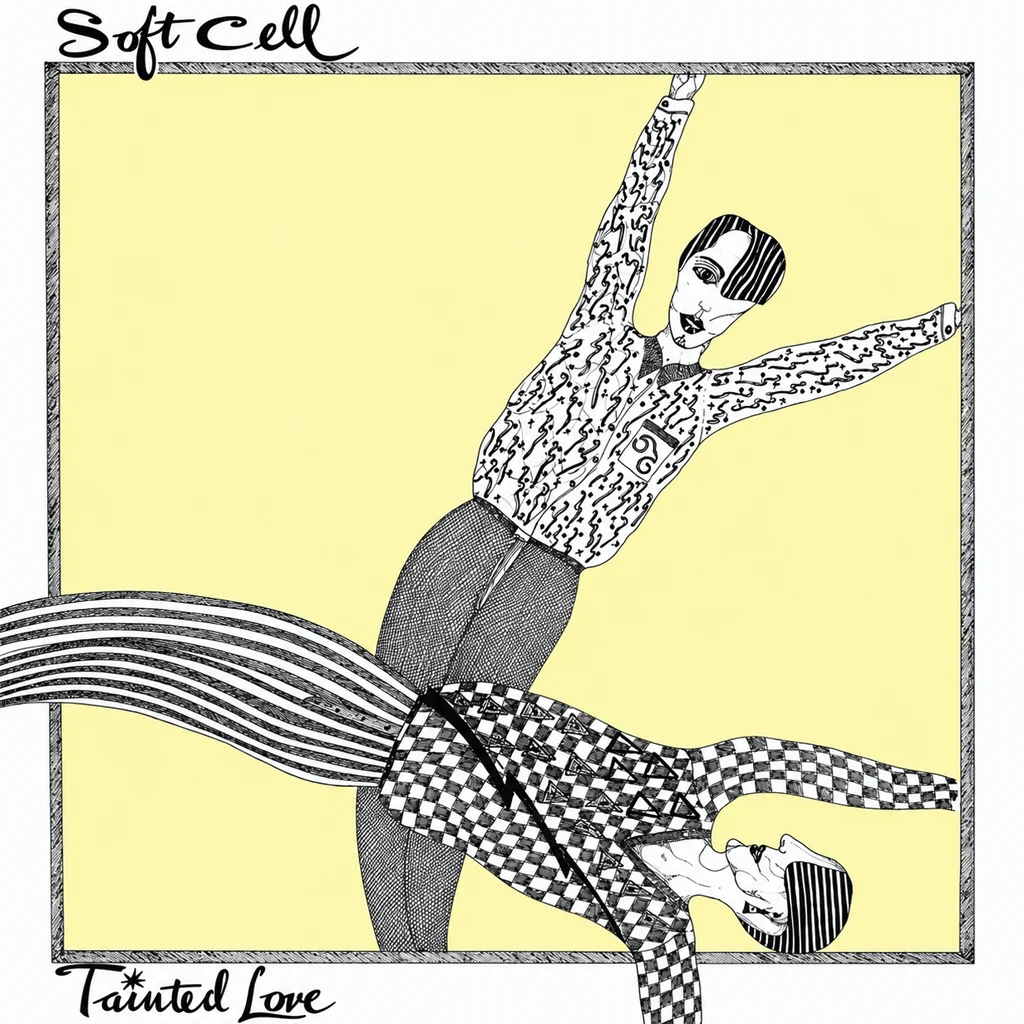
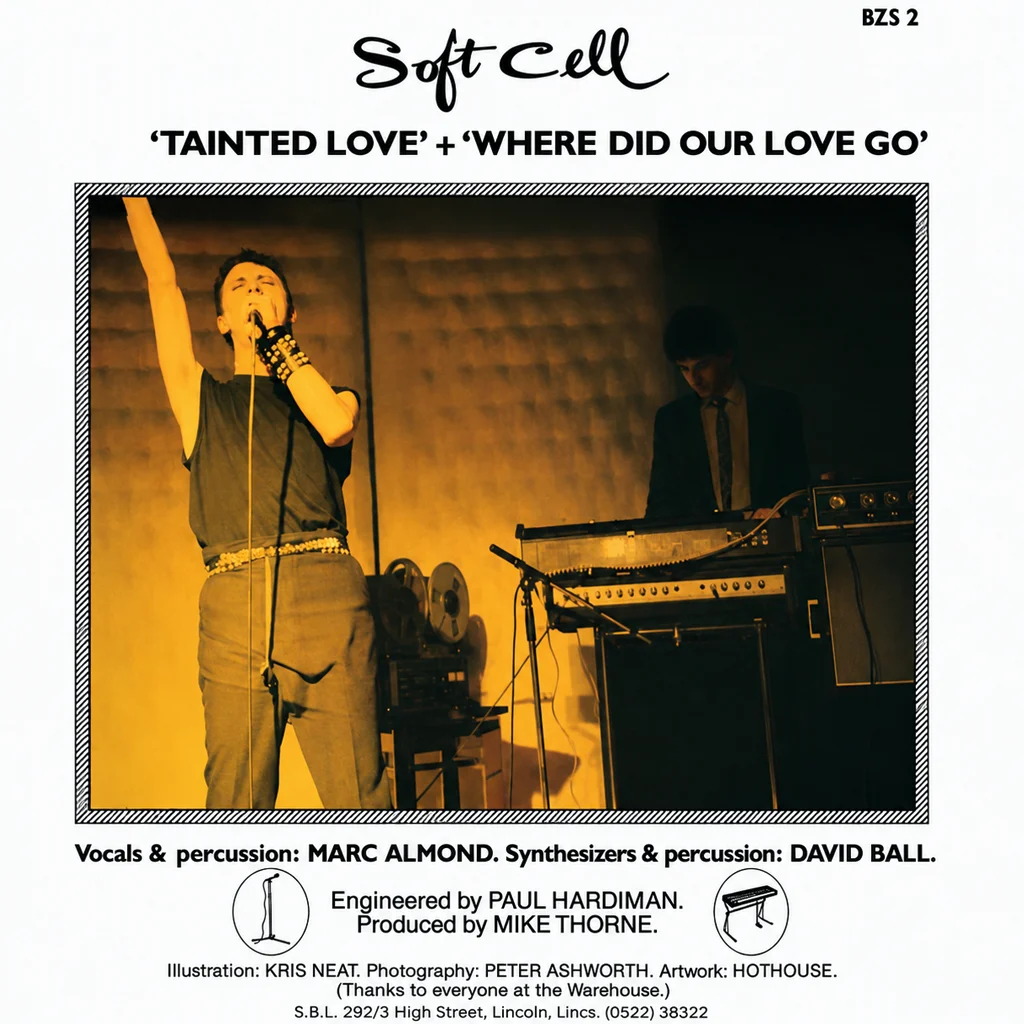
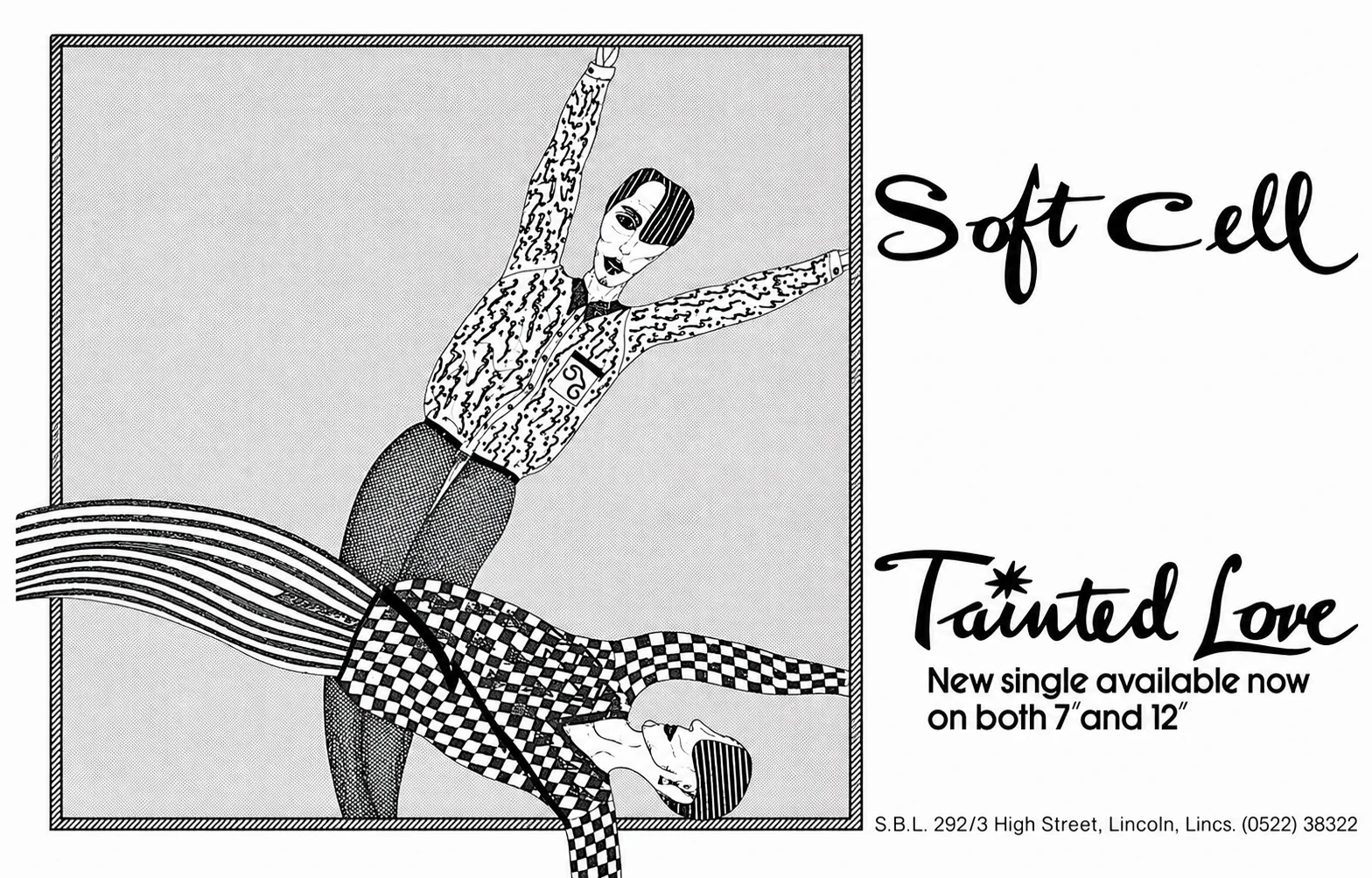
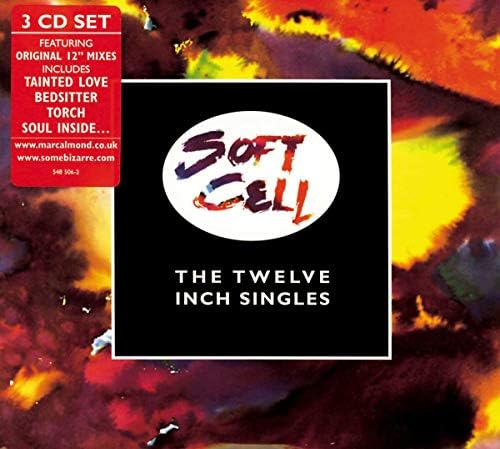
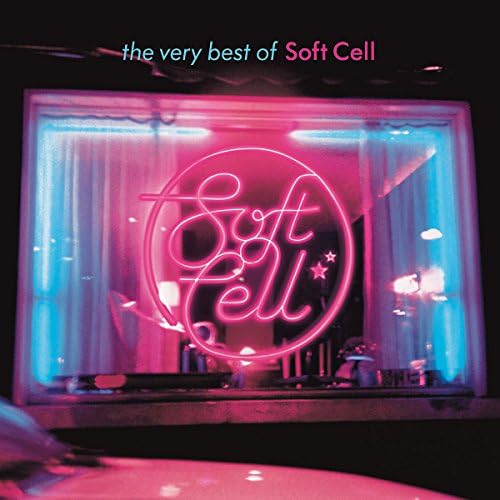
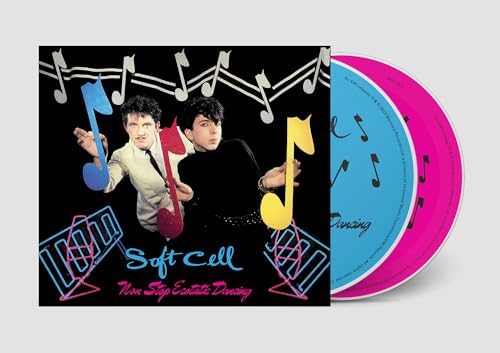
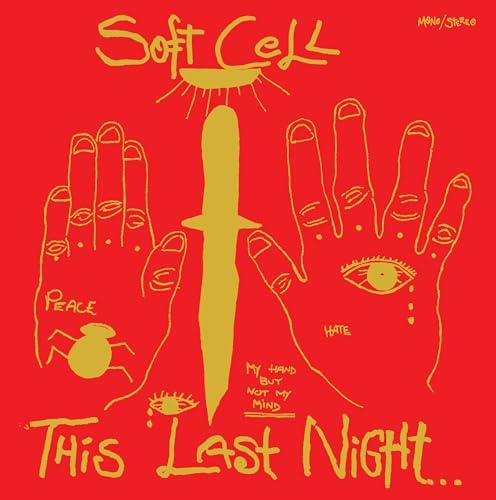
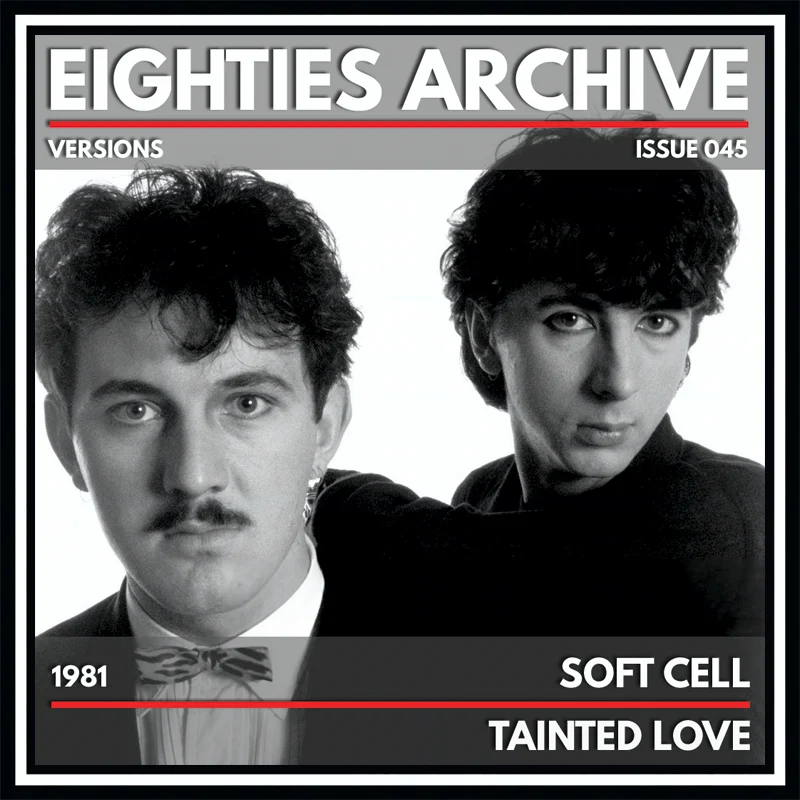
The synth-pop duo Soft Cell, consisting of vocalist Marc Almond and instrumentalist Dave Ball, forever altered the landscape of electronic music when they released their cover of “Tainted Love” in 1981. Originally recorded by Gloria Jones in 1964 as a Northern Soul track, the song was transformed by Soft Cell from a frantic, brass-heavy rhythm-and-blues number into a dark, minimalist electronic masterpiece. This reinvention not only defined the sound of the early 1980s but also established a blueprint for how a cover version can completely subvert and eclipse its source material.
To understand the impact of Soft Cell’s version, one must first look at the original context. Gloria Jones recorded the track as a B-side, and though it failed to chart initially, it later became a prized anthem on the British Northern Soul underground circuit. Dave Ball was familiar with the song from this club scene and suggested it to Almond as a high-energy addition to their live set. When they entered the studio with producer Mike Thorne, they lacked the budget for a full backing band, which forced them to rely heavily on the burgeoning technology of synthesizers and drum machines. This financial constraint became their greatest artistic asset.
The defining characteristic of Soft Cell’s “Tainted Love” is its stark, spacious instrumentation. The song opens with a syncopated, metallic double-beat produced by a Synclavier synthesizer, a sound that instantly became one of the most recognizable hooks in pop history. Instead of the driving bass guitar and wall-of-sound horns of the original, Ball deployed a pulsing, ominous synth bassline that anchored the track in a mood of urban claustrophobia. The electronic arrangement stripped away the warmth of traditional soul music, replacing it with a cold, mechanical rigidity that perfectly mirrored the lyrical themes of emotional entrapment and toxic romance.
Against this clinical electronic backdrop, Marc Almond delivered a vocal performance that was raw, theatrical, and deeply human. While Gloria Jones sang the lyrics with the defiant power of a traditional soul diva, Almond approached the text with a sense of desperate vulnerability and weary cynicism. His delivery felt less like a musical performance and more like a late-night confession from someone trapped in a destructive relationship. Almond’s slight vocal imperfections and melodramatic phrasing added a layer of gritty reality to the sleek synthesized sounds, creating a compelling tension between man and machine.
The thematic resonance of the song also shifted dramatically in Soft Cell’s hands. Released during a period of economic recession in the United Kingdom and at the dawn of the global HIV/AIDS crisis, the lyrics about a love that has gone wrong took on darker, more socio-political undertones. The “tainted” nature of affection in the song resonated deeply with a generation navigating a rapidly changing cultural landscape, moving away from the utopian hedonism of the 1970s into a more anxious, uncertain decade. Soft Cell captured this zeitgeist perfectly, wrapping existential dread in a highly danceable package.
The commercial success of the track was unprecedented. It reached number one on the UK Singles Chart, becoming the best-selling single of 1981 in the country. Its success crossed the Atlantic, where it spent a record-breaking 43 weeks on the US Billboard Hot 100, despite initially receiving little radio airplay. The track’s longevity was bolstered by its innovative 12-inch extended version, which seamlessly transitioned from “Tainted Love” into a cover of the Supremes’ “Where Did Our Love Go.” This medley solidified the duo’s connection to classic Motown and soul influences while keeping audiences on the dancefloor.
Decades after its release, Soft Cell’s “Tainted Love” remains a cultural touchstone. It has been sampled, covered, and referenced by countless artists across genres, from Marilyn Manson’s industrial rock interpretation to Rihanna’s pop hit “SOS,” which utilized the iconic synth-pop bassline. The track helped legitimize electronic music in the mainstream, proving that synthesizers could convey deep, soulful angst just as effectively as traditional instruments. Soft Cell took a forgotten piece of American soul history and repackaged it into a timeless anthem of synth-pop melancholy, ensuring that their version would be remembered as the definitive expression of a love gone wrong.
The song peaked at No. 01 in the UK Singles Chart on 5th September 1981.
Lyrics
Sometimes I feel I’ve got to
Run away, I’ve got to
Get away from the pain you drive into the heart of me
The love we share
Seems to go nowhere
And I’ve lost my light
For I toss and turn, I can’t sleep at night
Once I ran to you (I ran)
Now I’ll run from you
This tainted love you’ve given
I give you all a boy could give you
Take my tears and that’s not nearly all
Tainted love (oh)
Tainted love
Now I know I’ve got to
Run away, I’ve got to
Get away, you don’t really want any more from me
To make things right
You need someone to hold you tight
And you think love is to pray
But I’m sorry, I don’t pray that way
Once I ran to you (I ran)
Now I’ll run from you
This tainted love you’ve given
I give you all a boy could give you
Take my tears and that’s not nearly all
Tainted love (oh)
Tainted love
Don’t touch me, please
I cannot stand the way you tease
I love you though you hurt me so
Now I’m gonna pack my things and go
Tainted love (oh)
Tainted love (oh)
Tainted love (oh)
Tainted love (oh)
Touch me, baby, tainted love
Touch me, baby, tainted love
Tainted love (oh)
Tainted love (oh)
Tainted love
Tainted love
Written by Ed Cobb