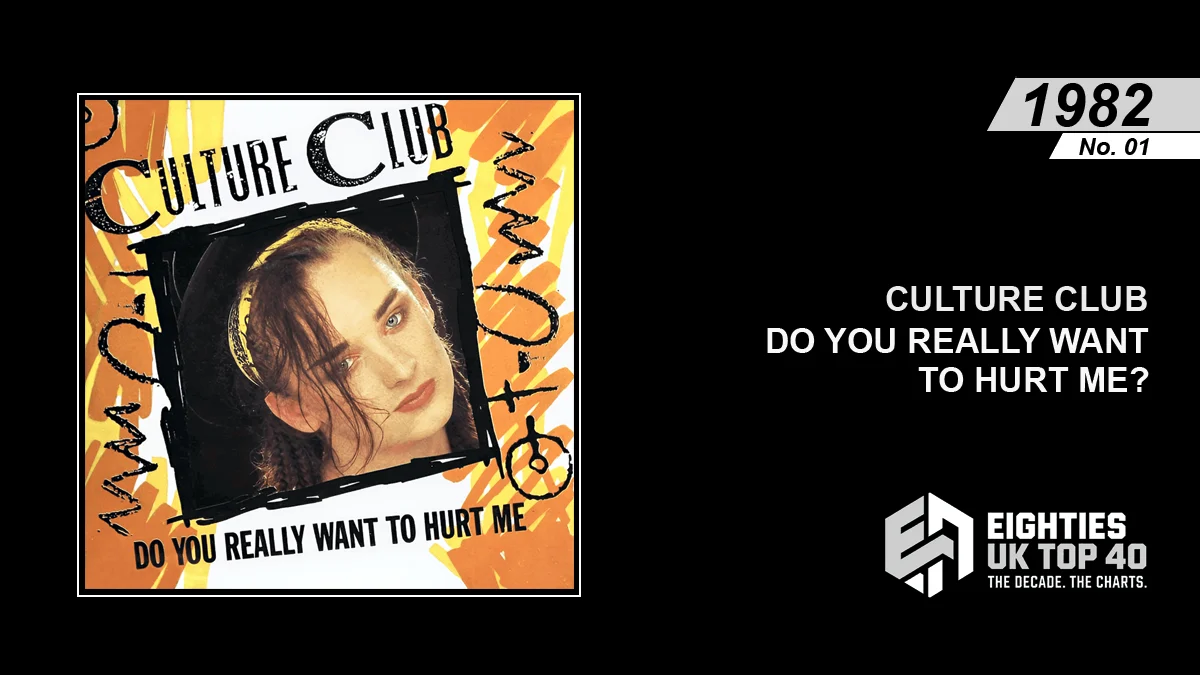
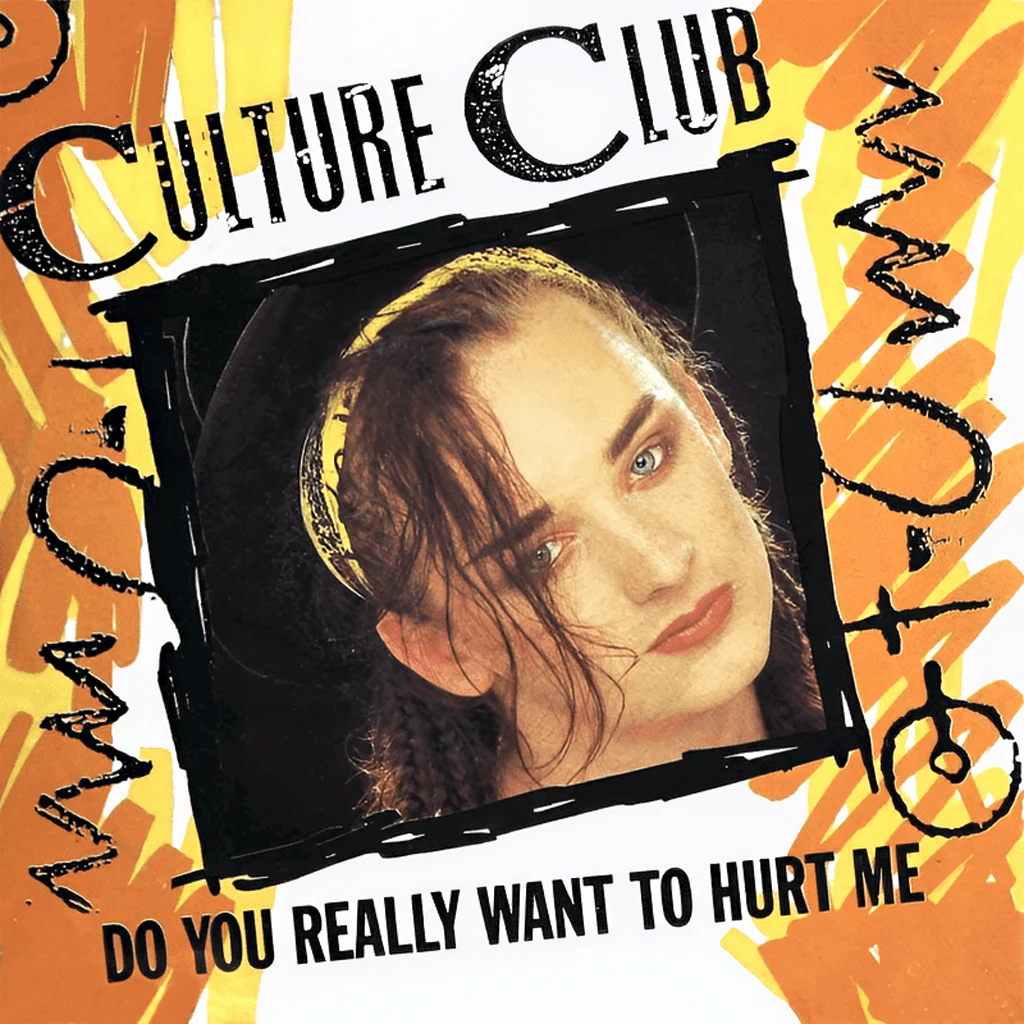
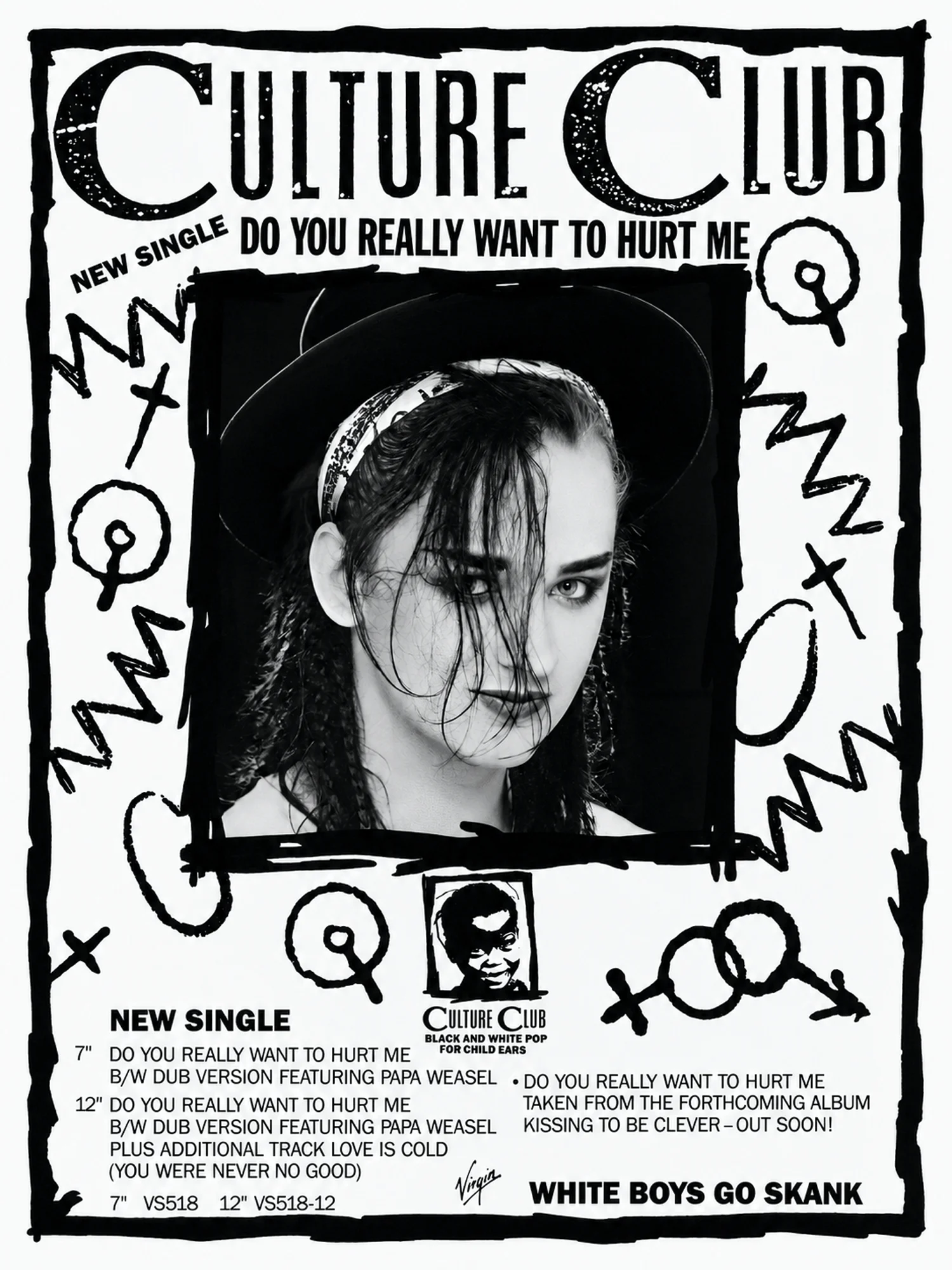
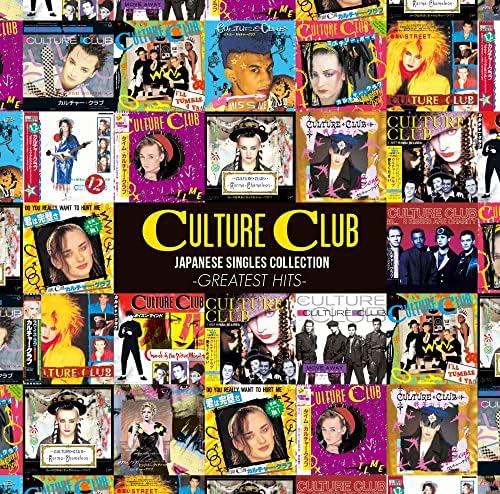
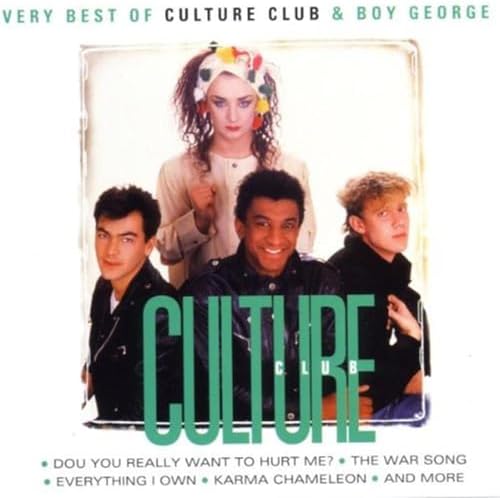
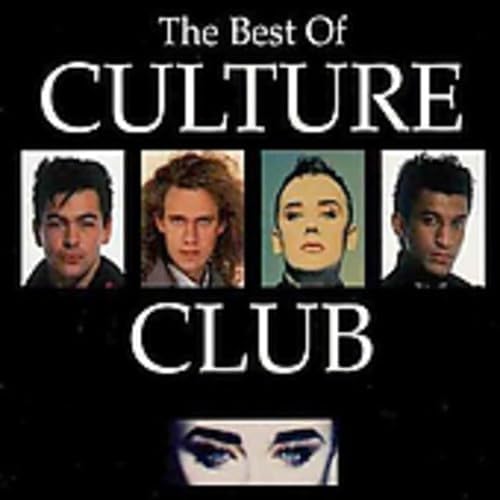
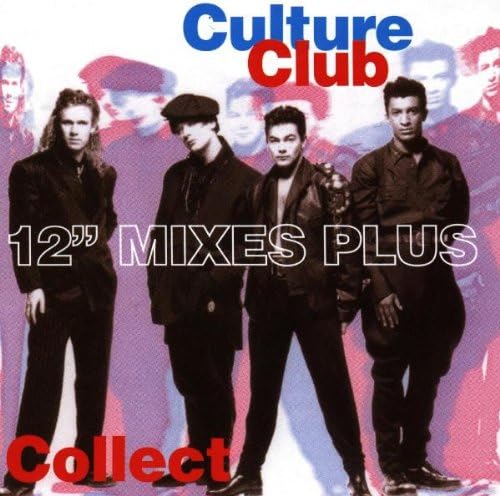
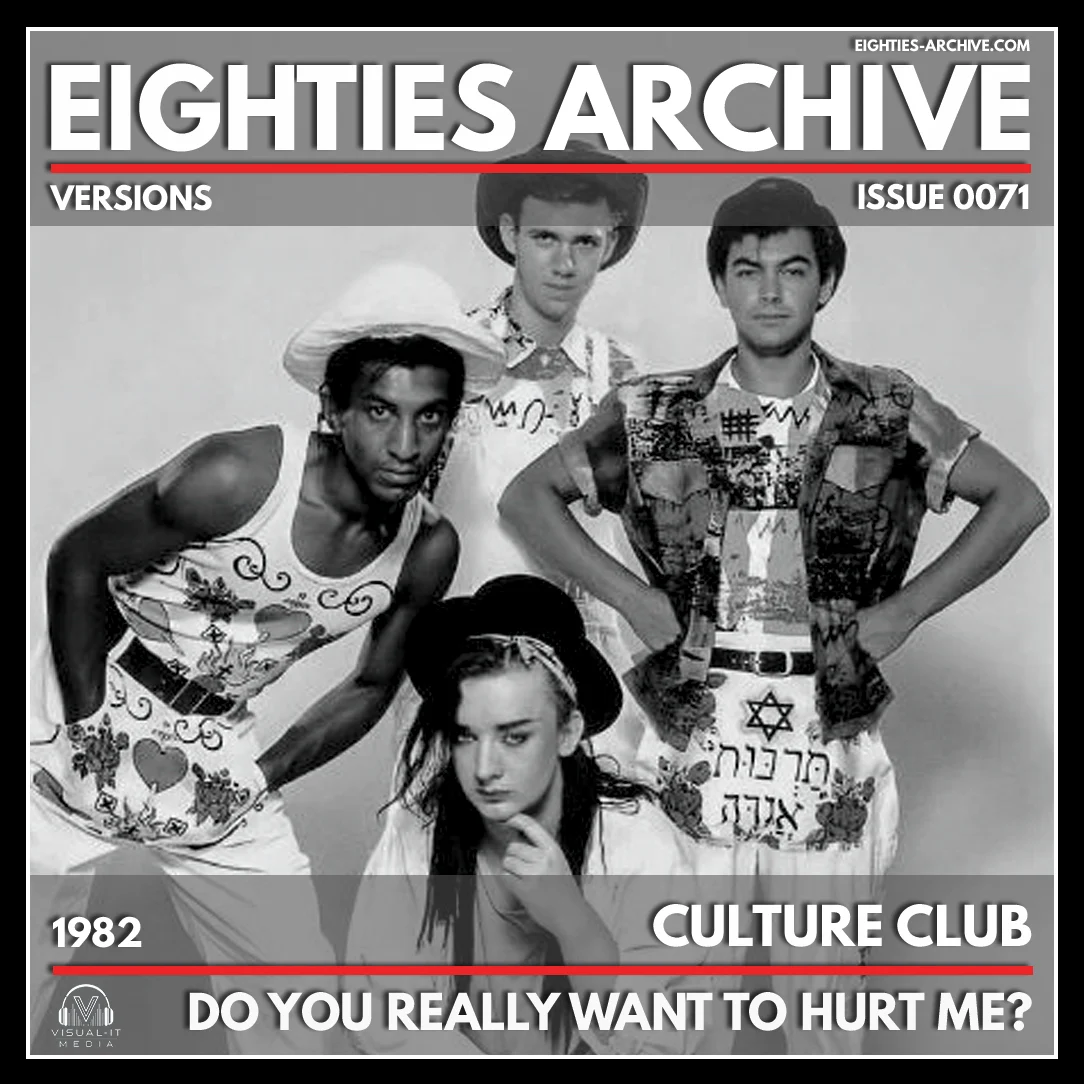
The arrival of Culture Club on the global pop landscape in 1982 shattered conventional boundaries of music, fashion, and gender identity. At the absolute center of this cultural explosion was their third single, Do You Really Want to Hurt Me?, a track that propelled the band from underground London nightlife curiosities to international superstars. Released in September 1982, the song became a defining anthem of the decade. It is a track that juxtaposes an infectious, gentle reggae-pop groove with a deeply vulnerable lyric, capturing the precise moment that Boy George’s raw emotional honesty met a perfectly crafted commercial sound.
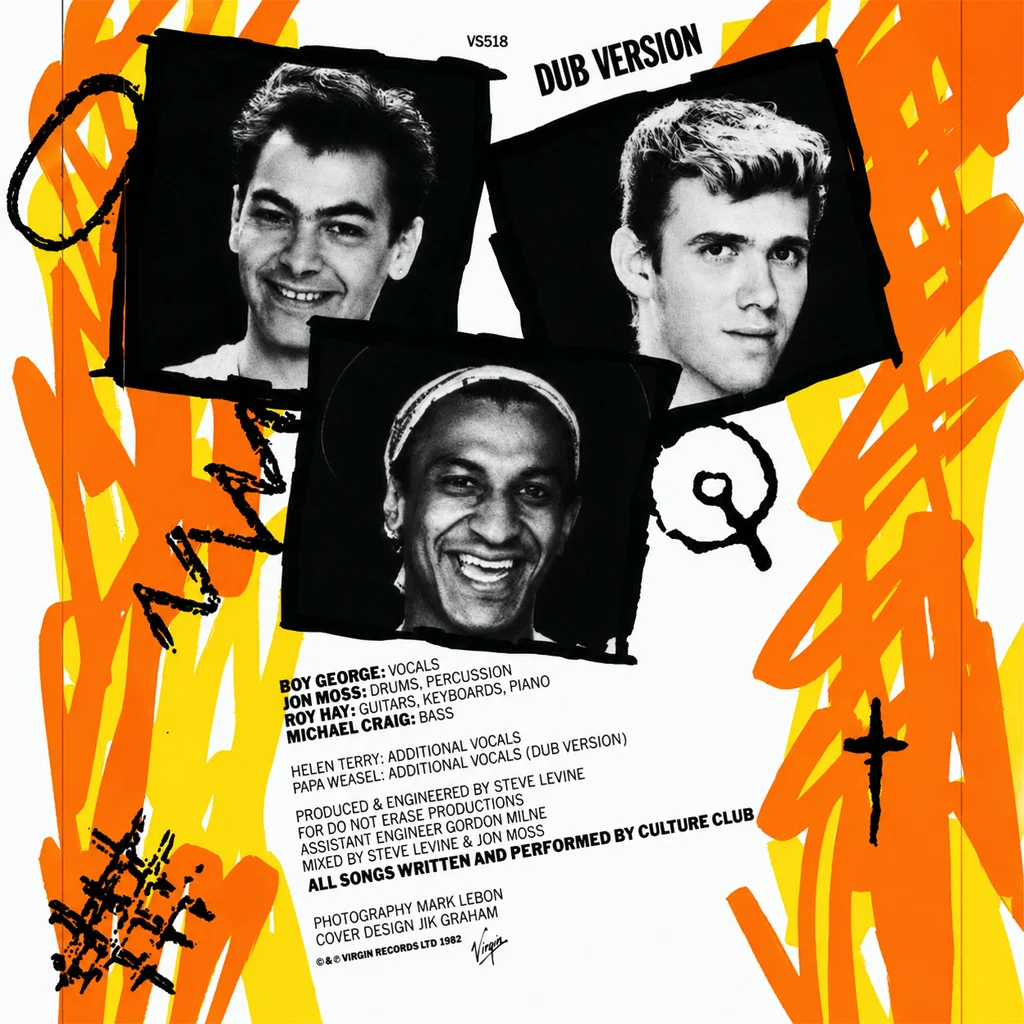
To understand the impact of the song, one must look at the band’s precarious position in the summer of 1982. Their first two singles had failed to make any significant impact on the UK charts, leaving the band and their label, Virgin Records, under immense pressure. Boy George, guitarist Roy Hay, bassist Mikey Craig, and drummer Jon Moss needed a breakthrough. George had written a melancholy lyric born directly out of his tumultuous, then-secret romantic relationship with drummer Jon Moss. Originally, George envisioned the track as a slow, mournful torch song, and he initially hated the upbeat, reggae-influenced arrangement that his bandmates developed in the studio. He felt it cheapened the genuine pain of the lyrics, but the band prevailed, creating a tension between the music and the vocals that became the song’s greatest asset.
Sonically, Do You Really Want to Hurt Me? is built on a remarkably sparse and clean arrangement, produced by Steve Levine. Mikey Craig’s bassline provides a warm, bubbling reggae foundation, while Roy Hay contributes delicate, shimmering guitar strokes that mimic the offbeat chugging of traditional roots reggae. This smooth, mid-tempo rhythm is elevated by the inclusion of a synthesizer melody that weaves around the vocal line, adding a melancholic, electronic texture that aligned perfectly with the early eighties pop landscape. The production deliberately leaves a vast amount of space in the mix, allowing every element to breathe and ensuring that nothing distracts from the central vocal performance.
Boy George’s vocal delivery on the track remains one of the finest moments in British pop history. Stepping away from the aggressive posturing of the era, George sings with a soulful, tender restraint that cuts through the upbeat backing track. His voice is rich with a blue-eyed soul sensibility, conveying a profound sense of exhaustion and yearning. The lyrics are an explicit, painful plea for understanding and an indictment of emotional cruelty. Lines like “Give me time to realise my crime” and “I’ve been crying now for oh so long” are delivered with an authentic sadness that resonated with millions of listeners. The addition of backing vocals from Helen Terry provided a powerful, gospel-inflected counterpoint to George’s smooth lead, adding a layer of dramatic weight to the soaring chorus.
The visual presentation of the song played an equally crucial role in its monumental success. When Culture Club appeared on the British television show Top of the Pops to perform the track, stepping in as a last-minute replacement, it caused an overnight sensation. Boy George’s striking, gender-fluid appearance—with long braided hair, full makeup, and a large white tunic decorated with Hebrew script—captivated and confused the mainstream public. The music video, featuring George being judged in a courtroom alongside various historical and subcultural archetypes, further emphasized the song’s themes of alienation, persecution, and the desire for acceptance. It was an image that challenged the conservative norms of the era while offering a lifeline of representation to marginalized audiences worldwide.
Upon its release, the song achieved staggering global success, reaching number one in the United Kingdom, across Europe, and eventually peaking at number two on the Billboard Hot 100 in the United States. It transformed Boy George into one of the most recognizable faces on the planet and established Culture Club as leaders of the Second British Invasion. The song proved that a track could be profoundly sad, visually provocative, and massively commercial all at the same time, shifting the trajectory of pop music toward more soulful, diverse influences.
The song peaked at No. 01 in the UK charts on 23rd October 1982.
Lyrics
Give me time to realise my crime
Let me love and steal
I have danced inside your eyes
How can I be real?
Do you really want to hurt me?
Do you really want to make me cry?
Precious kisses, words that burn me
Lovers never ask you why
In my heart, the fire’s burning
Choose my colour, find a star
Precious people always tell me
That’s a step, a step too far
Do you really want to hurt me?
Do you really want to make me cry?
Do you really want to hurt me?
Do you really want to make me cry?
Words are few, I have spoken
I could waste a thousand years
Wrapped in sorrow, words are token
Come inside and catch my tears
You’ve been talking, but believe me
If it’s true, you do not know
This boy loves without a reason
I’m prepared to let you go
If it’s love you want from me
Then take it away
Everything’s not what you see
It’s over again
Do you really want to hurt me?
Do you really want to make me cry?
Do you really want to hurt me?
Do you really want to make me cry?
Do you really want to hurt me?
Do you really want to make me cry?
Do you really want to hurt me?
Do you really want to make me cry?
Do you really want to hurt me?
Do you really want to make me cry?
Written by Culture Club