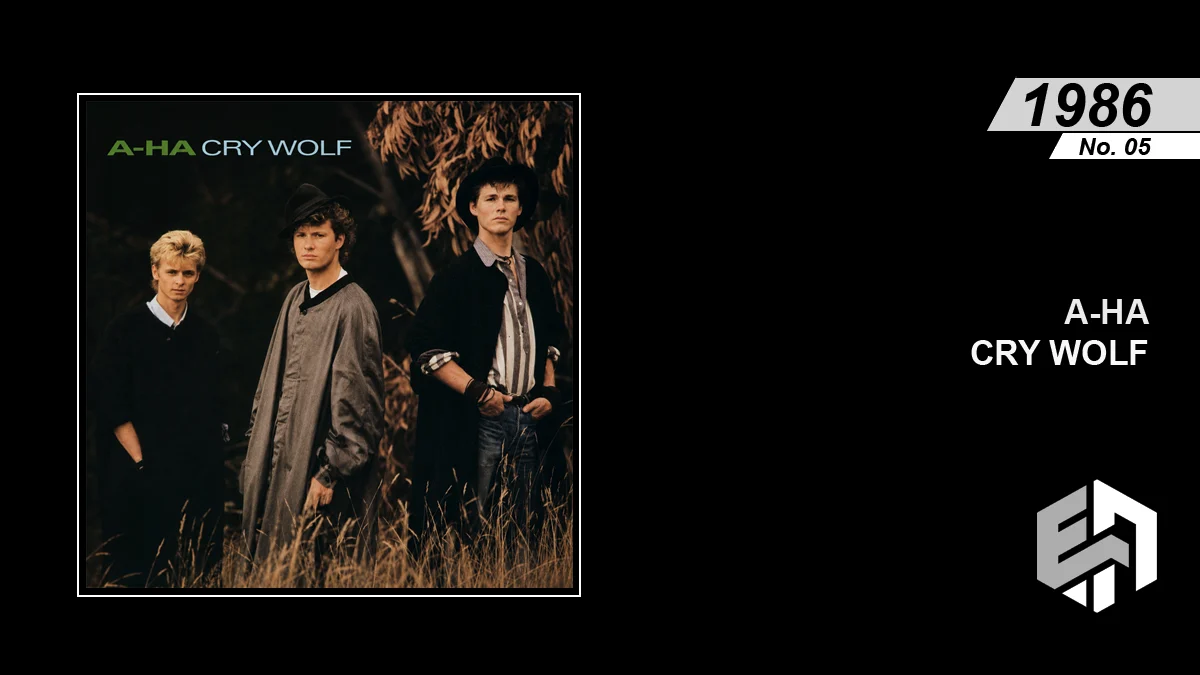
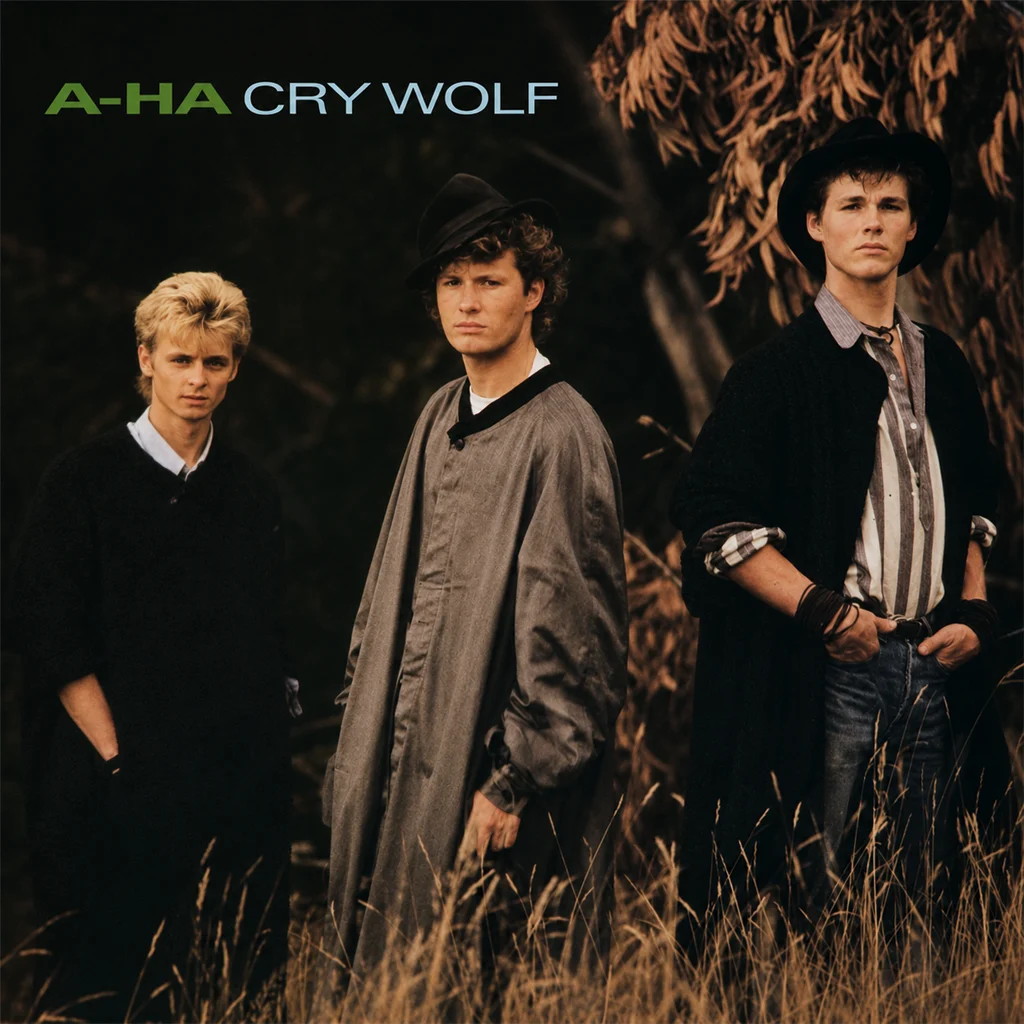
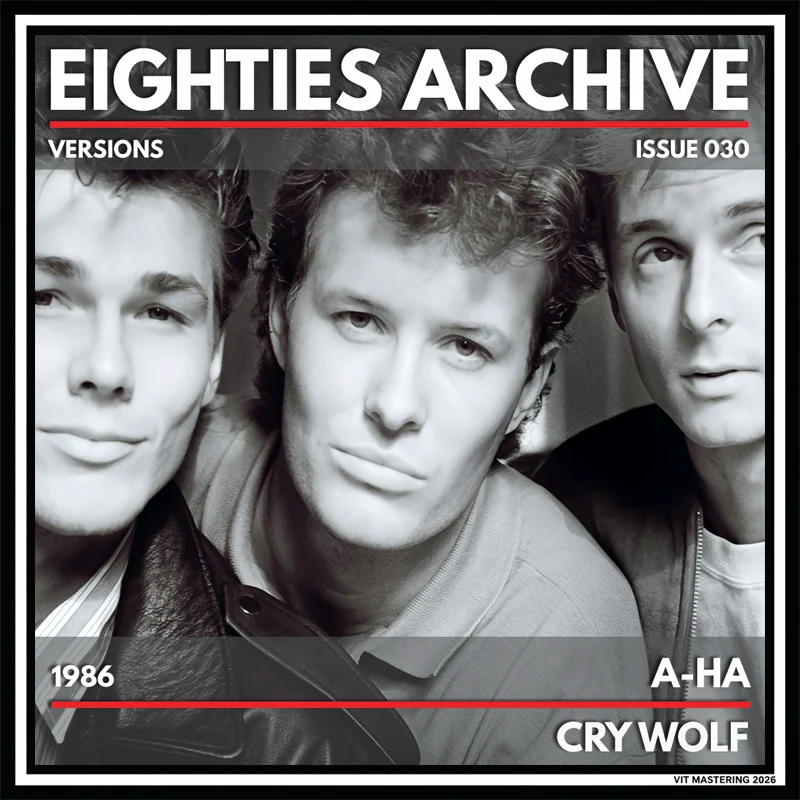
The year 1986 was a pivotal moment for the Norwegian trio a-ha. Having already conquered the world with the synth-pop perfection of “Take On Me” and the moody, cinematic sweep of “The Sun Always Shines on T.V.”, the band faced the daunting “sophomore slump” with their second album, Scoundrel Days. While their debut had been a whirlwind of neon and sketches, their second effort was darker, more atmospheric, and deeply rooted in a sense of Nordic melancholy. At the heart of this transition was “Cry Wolf,” a track that managed to be both a radio-friendly hit and a showcase for the band’s increasingly complex musical ambitions.
The song immediately sets itself apart from the bright, staccato rhythms of their earlier work. It begins with a deep, pulsing bassline and a strange, percussive growl—a literal vocalisation of the song’s title. This was a-ha leaning into their more experimental side. While the world saw them as pin-ups, “Cry Wolf” proved they were serious musicians. Written by guitarist Pål Waaktaar and keyboardist Magne Furuholmen, the track was inspired by the traditional fable but filtered through a lens of psychological tension and the vast, eerie landscapes of their home country.
Morten Harket’s vocal performance on “Cry Wolf” is one of his most distinctive. Known for his soaring falsetto, he opts for a more grounded, rhythmic approach during the verses, almost whispering the warnings of the title. When the chorus hits, it doesn’t just explode; it glides with a sense of urgency. The repetition of “Cry wolf, time and tide” evokes a sense of ancient, cyclical inevitability. There is a primal quality to the song that stood in stark contrast to the plastic, over-produced pop of the mid-eighties. It felt organic, despite its heavy use of synthesizers, capturing the wind-swept, isolated feeling of the Norwegian wilderness.
Lyrically, the song is steeped in metaphor. While on the surface it deals with the boy who cried wolf, it delves deeper into the themes of misplaced trust, the consequences of deception, and the exhaustion that comes from constant alarmism. In the context of the band’s sudden, overwhelming fame, it’s easy to read “Cry Wolf” as a commentary on the media frenzy surrounding them. They were being pulled in a thousand directions, with every headline shouting a different story, creating a “wolf” at every door.
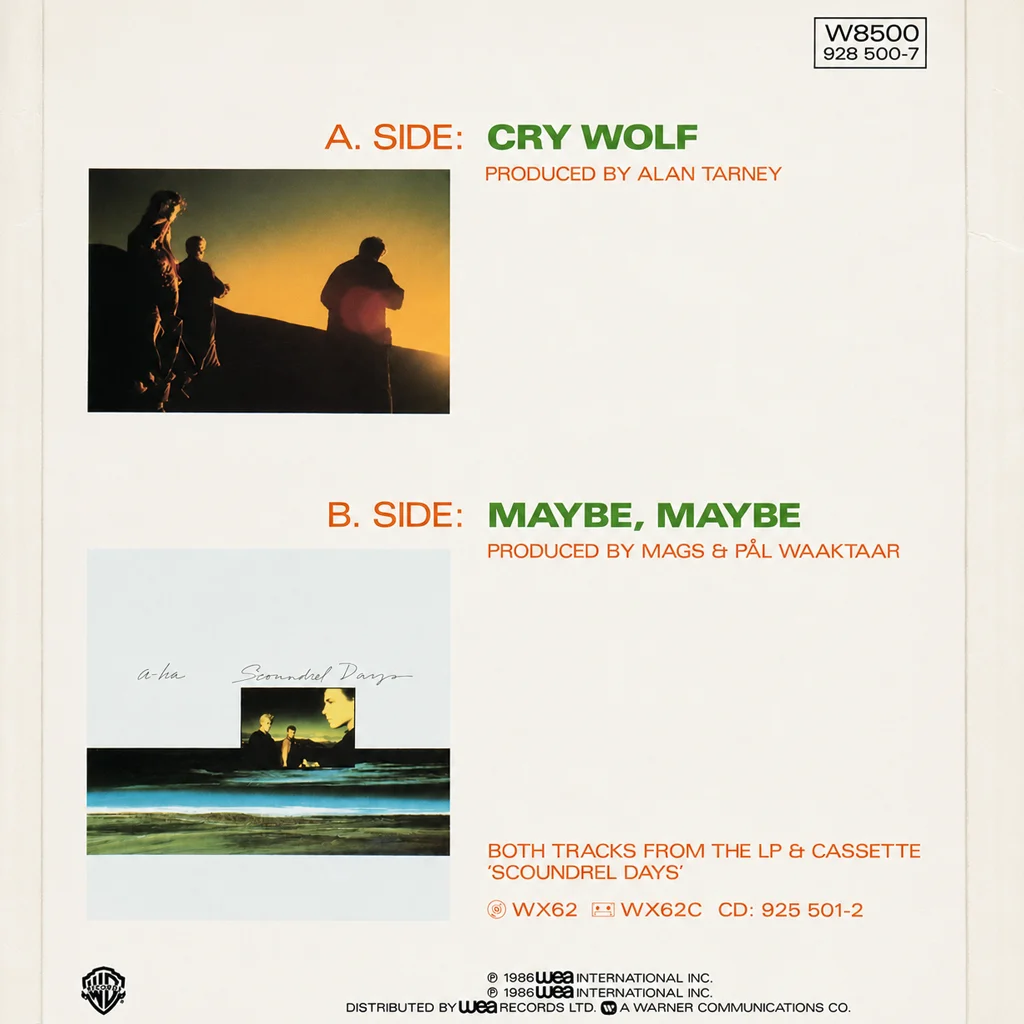
The arrangement of the song is a masterclass in building atmosphere. Magne Furuholmen’s keyboard work provides a shimmering, icy backdrop, while Pål Waaktaar’s guitar adds a subtle, rhythmic grit. The production, handled by Alan Tarney, is spacious and clean, allowing the various textures to breathe. The use of natural sounds and animalistic grunts added a touch of “art-pop” that aligned them more with bands like Talk Talk or The Blue Nile than the typical pop idols of the day. It was a sophisticated evolution that kept their fans dancing while earning the respect of critics who had previously written them off as a one-hit wonder.
Of course, the visual identity of “Cry Wolf” was just as crucial as its sound. The music video, directed by Steve Barron—the same visionary behind “Take On Me”—was filmed in the Cousteau-like setting of a French forest and a series of dramatic outdoor locations.
It avoided the literal interpretation of the lyrics, opting instead for a dreamlike, almost folkloric aesthetic. The imagery of the band moving through the trees, combined with surrealist touches and dramatic lighting, perfectly complemented the song’s mysterious tone. It reinforced the idea that a-ha were not just makers of music, but architects of a specific, moody atmosphere.
Upon its release, “Cry Wolf” became a major international hit, reaching the top five in the UK and dominating charts across Europe and South America. It proved that the band’s success was not a fluke and that their audience was willing to follow them into darker, more nuanced territory. While it perhaps lacks the immediate “earworm” quality of their debut single, it has aged remarkably well, standing as a testament to the band’s ability to blend commercial pop with artistic integrity.
To listen to “Cry Wolf” today is to revisit a moment when pop music was allowed to be strange, evocative, and deeply atmospheric. It remains a staple of the band’s live sets, often extended into a brooding, rhythmic jam that showcases the chemistry between the three members. It was the song that confirmed a-ha weren’t just passing through the pop charts; they were carving out a permanent, chilly, and beautiful space within them.
The song peaked at No. 05 in the UK Singles Chart on 3rd January 1987.
Lyrics
Hello?
Night I left the city
I dreamt of a wolf
He came from where the winds are cold
And truth is seen through keyholes
Strange longings that’ll never sleep
Now he’s come where no heart beats, gotta
Gotta cry wolf
Time to worry
Cry wolf
Time to worry now
You can start, but you cannot stop
You give in, but you can’t give up
You can tell all your desperate jokes
To a world that puts your love on hold
Gotta cry wolf
Time to worry
Cry wolf
Time to worry now
Cry wolf
Time to worry
Oh, cry wolf
Time to worry now
Dreamt of a wolf – a wolf…
The sunken-in eyes
And the pain in his cries
A shape in the dark (dark…)
(Cry) cry wolf
Time to worry
Cry wolf
Time to worry now
Now cry wolf
Time to worry, now
(Come on) cry wolf
Time to worry now
Cry wolf
Time to worry
Oh, cry wolf
Time to worry now
(Come on) cry wolf
Time to worry, now
Cry wolf
Time to worry now
Cry wolf
Cry wolf
Cry wolf
Written By Magne Furuholmen, Pal Waaktaar