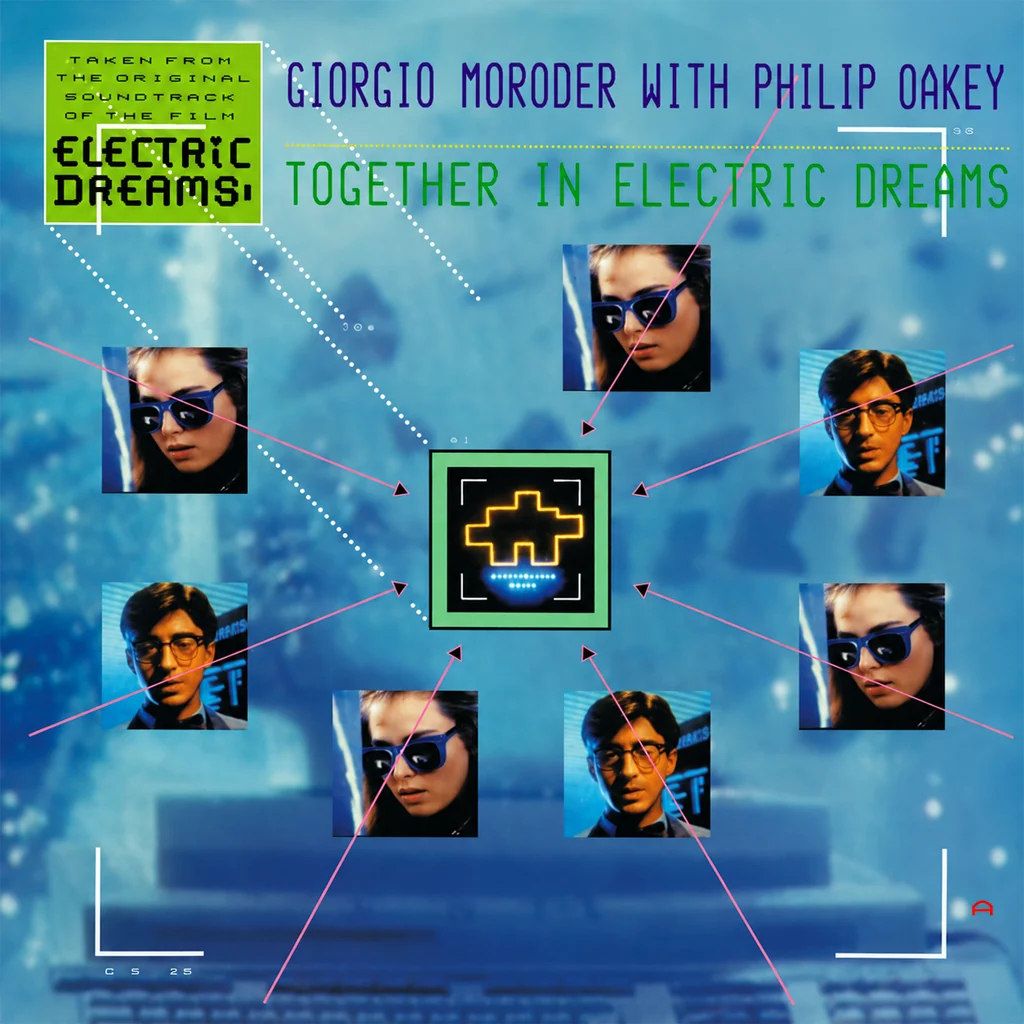
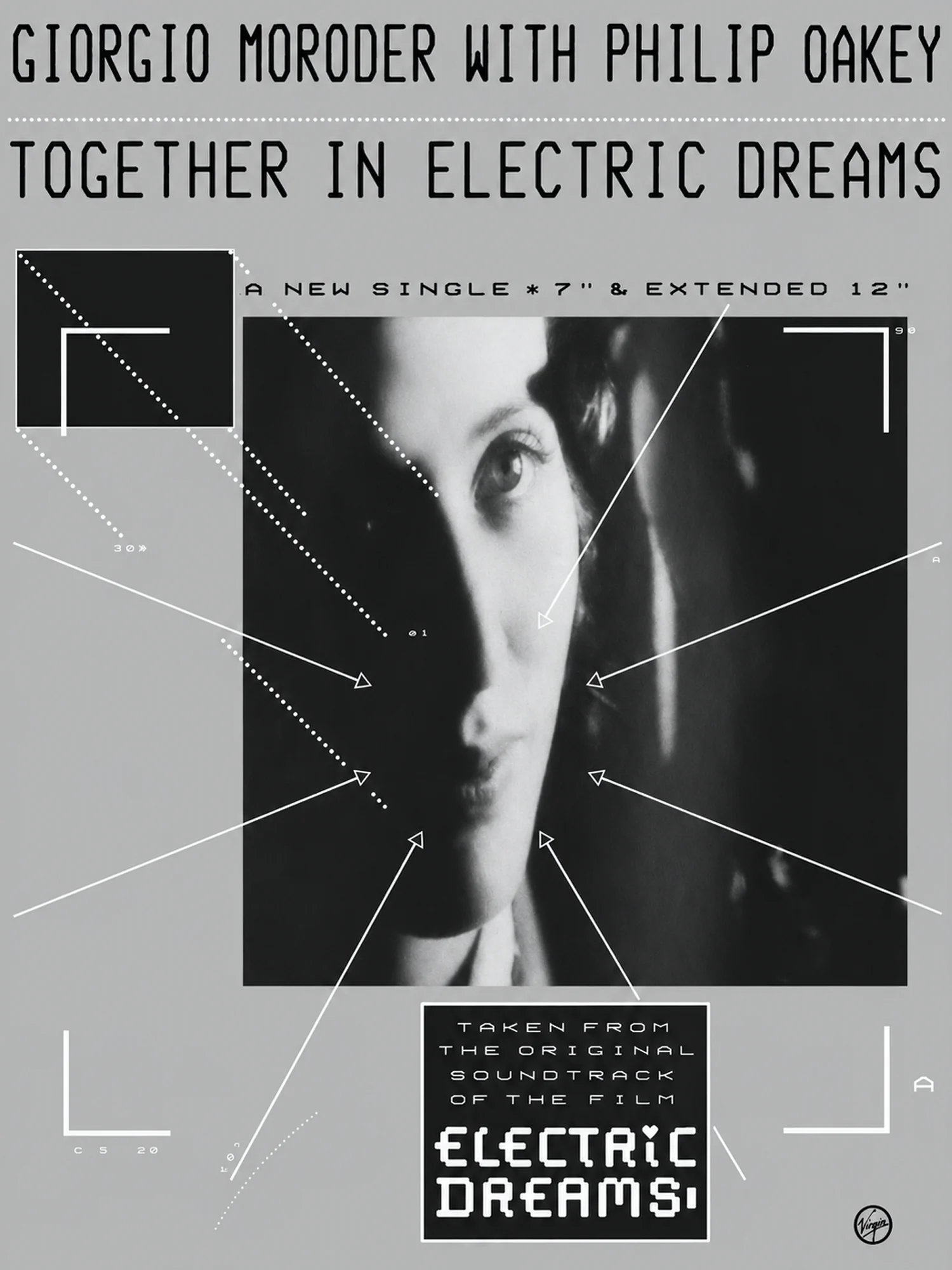
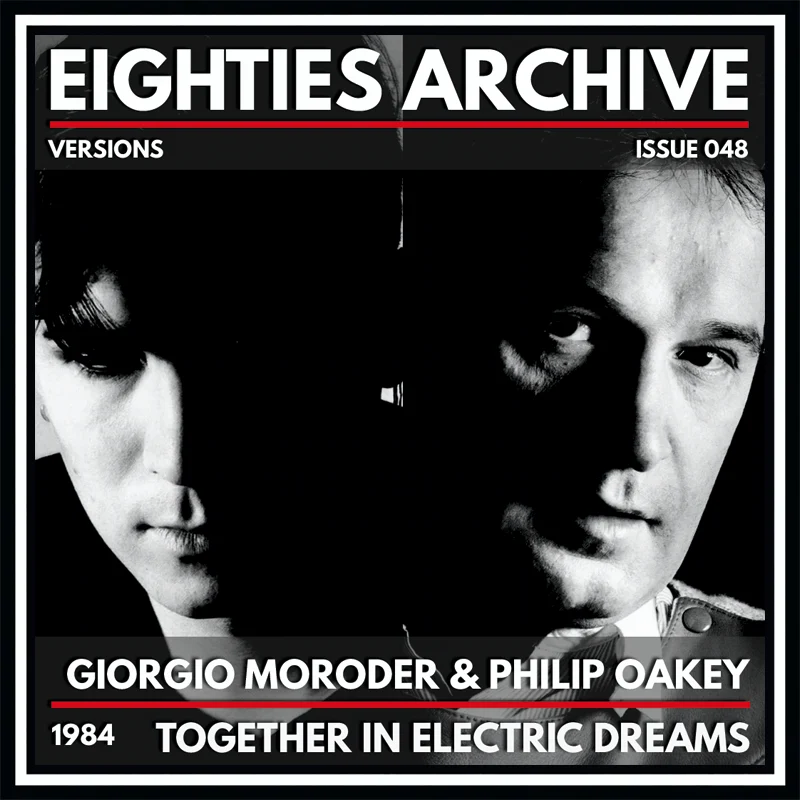
The collision of avant-garde electronic music and mainstream pop sensibility produced one of the most enduring anthems of the 1980s when Italian producer Giorgio Moroder collaborated with Philip Oakey, the frontman of The Human League, on the 1984 track “Together in Electric Dreams.” Originally recorded for the soundtrack of the science-fiction romantic comedy film “Electric Dreams,” the song quickly took on a life of its own, far outshining the movie it was commissioned to promote. Through its pioneering use of synthesizers, infectious melodic hooks, and a uniquely bittersweet lyrical perspective, the track became a definitive landmark in the evolution of synth-pop and a celebratory testament to the power of human connection across technological divides.
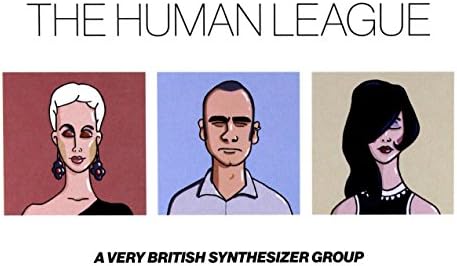
To fully understand the brilliance of the collaboration, one must examine the distinct musical forces that came together for its creation. Giorgio Moroder was already a legendary figure in the music industry, widely recognized as the “Father of Disco” and a pioneer of electronic dance music through his groundbreaking work with Donna Summer and his Oscar-winning film scores. Philip Oakey was the visual and vocal architect of The Human League, a band that had revolutionized British new wave with their landmark album “Dare.” When Virgin Records suggested the pairing for the film soundtrack, it brought Moroder’s mastery of driving, cinematic electronic rhythms together with Oakey’s signature baritone voice and gift for framing melancholic emotions within accessible pop structures.
The sonic architecture of “Together in Electric Dreams” is a masterclass in optimistic electronic production. Moroder constructed a backing track that feels simultaneously grand and deeply intimate. The song opens with a bright, ascending synthesizer fanfare that immediately establishes a sense of hope and forward momentum. This is quickly joined by a driving, propulsive bassline and a crisp drum-machine rhythm that carries the listener forward with unstoppable energy. Unlike the darker, claustrophobic synth-pop that characterized the early part of the decade, Moroder infused the arrangement with a sparkling, sun-drenched warmth, utilizing layers of polyphonic synthesizers to create a rich, orchestral wall of electronic sound that felt entirely futuristic yet deeply emotional.
Against this vibrant sonic backdrop, Philip Oakey delivered one of the most triumphant vocal performances of his career. Interestingly, Oakey was initially insecure about the recording, completing his vocal take in just ten minutes and believing it to be a casual, unfinished demo. However, that lack of overthinking captured a rare sense of spontaneity and raw joy. Singing in his clear, resonant style, Oakey perfectly balanced the track’s driving optimism with a subtle undercurrent of longing. His delivery during the soaring chorus, supported by layered backing vocals that mimic the grandeur of a gospel choir, transformed the song from a simple movie tie-in into a universal anthem of resilience and enduring affection.
Lyrically, the song mirrors the plot of the film—which involves a love triangle between a man, a woman, and a sentient personal computer—but elevates it to a broader commentary on modern relationships. The core premise of the song is both tragic and hopeful: two people are physically separated, yet they remain united through the shared, intangible space of their memories and technological connectivity. In 1984, the concept of being “together in electric dreams” was a poetic, sci-fi metaphor for long-distance devotion. In the decades that followed, as the internet, smartphones, and digital communication reshaped human interaction, the lyrics transformed into an incredibly prescient description of how modern society experiences love, friendship, and grief across digital networks.
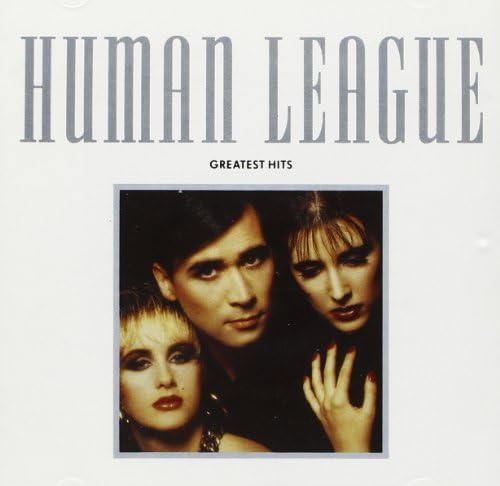
The commercial and cultural impact of the track was immediate and long-lasting. While the film “Electric Dreams” achieved only modest success at the box office, the single skyrocketed up the charts, reaching number three on the UK Singles Chart and remaining a permanent fixture on European radio stations for months. The track was so successful that it was later included as a bonus track on The Human League’s greatest hits compilations, permanently embedding itself in the band’s legacy despite technically being an Oakey solo project. The accompanying music video, which spliced footage of the film with scenes of Oakey singing against neon lights and urban landscapes, perfectly encapsulated the vibrant, tech-optimistic aesthetic of the mid-1980s.
Decades after its initial release, “Together in Electric Dreams” continues to hold a revered place in popular culture. Its timeless production avoided the harsher, more abrasive elements of early digital synthesis, ensuring that the track still sounds remarkably fresh to contemporary ears. It has been frequently used in television commercials, television series, and films to instantly evoke a sense of pure, unadulterated joy and nostalgia. The song represents a moment in cultural history when the relationship between humanity and technology was viewed not with cynicism or anxiety, but with a sense of wonder and romantic possibility. Through the combined genius of Moroder and Oakey, a temporary movie assignment became a permanent pillar of electronic music history, proving that even the coldest machines can be used to express the warmest human truths.
The song peaked at No. 03 in the UK charts on 27th October 1984.